
Container Gardens
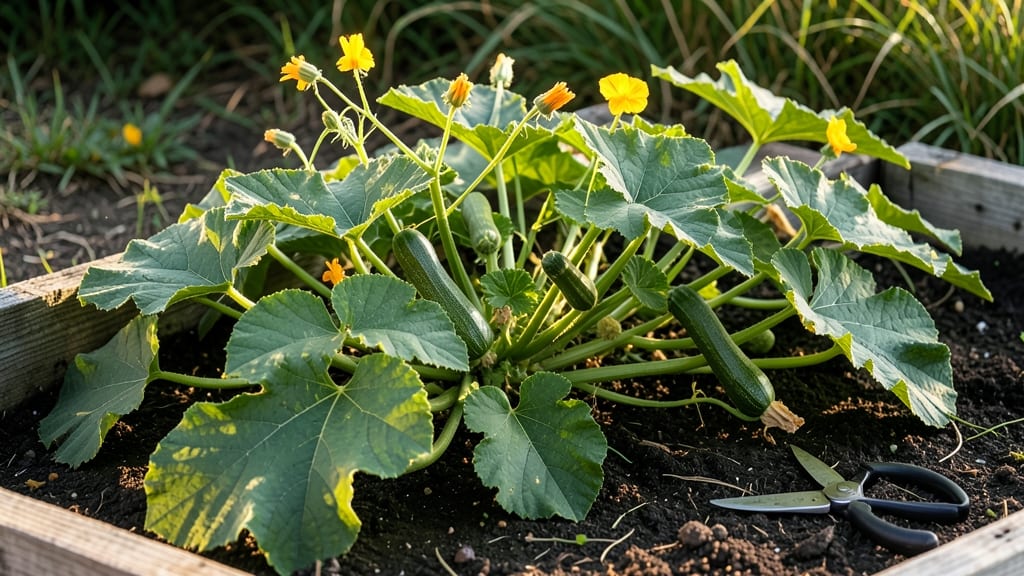
Master these zucchini squash growing tips to turn a sunny balcony into a bountiful harvest—no backyard needed, just a few clever tricks. 🌱 I learned the hard way that zucchini isn’t just a plant; it’s a hungry vine that rewards patience with 5-pound squash in under 60 days.
The secret to success starts with soil that’s warm, loose, and packed with compost, plus a few sneaky watering habits most gardeners miss.
You’ll need a 5-gallon container minimum (bigger is better for heavy producers), well-draining potting mix, and a trellis or cage to handle those sprawling vines. Plant seeds 1 inch deep, just after your last frost, and keep the soil consistently moist—not soggy.
Zucchini thrives in full sun (6+ hours daily), but if your space is shady, choose bush varieties like ‘Eight Ball’ instead of traditional vining types.
Here’s the game-changer: mulch heavily to lock in moisture and prevent soil-borne diseases, and fertilize lightly every 2 weeks with a balanced organic feed. You’ll spot tiny flowers in 3-4 weeks, and those turn into squash faster than you can say “zucchini bread.”
The first harvests arrive in 50-60 days, and if you keep picking, the plant will keep producing all summer.
Containers let you grow zucchini anywhere—balconies, patios, or even a sunny windowsill—without the weeds, pests, or soil exhaustion of in-ground gardens. Just watch for squash vine borers (cover young plants with row fabric) and powdery mildew (spray with neem oil early).
With these tips, you’ll go from seed to bountiful harvests in record time, even in small spaces.
📚 In This Guide
- What you need
- Instructions
- Tips and common mistakes
- Wrapping up and next steps
What you need
- ● Zucchini Seeds or Seedlings: 3–5 high-quality, disease-resistant seeds (e.g., 'Black Beauty,' 'Gold Rush,' or 'Eight Ball' for compact growth).
- ● OR 1–2 healthy young seedlings (if starting late in the season).
- ● Containers: 5-gallon fabric or plastic pots (at least 12–18 inches deep) per plant.
- ● OR a large raised bed (minimum 12" deep, 3–4 feet wide).
- ● Growing Medium: High-quality potting mix (sterile, well-draining, and rich in organic matter).
- ○ Optional: Compost or worm castings (1 cup per container) for extra nutrients.
- ● Drainage: Potting mix with perlite or vermiculite (20% by volume) to prevent waterlogging.
- ● Containers with drainage holes (or drill your own!).
- ● Fertilizer: Balanced organic fertilizer (e.g., 5-5-5 or 10-10-10) or compost tea.
- ● Slow-release granular fertilizer (1 tbsp per container at planting).
- ● Trellis or Cage: A 3–4 ft tall tomato cage or bamboo trellis to support vines (saves space!).
- ● Mulch: Straw or shredded leaves to retain moisture and suppress weeds.
- ● Pruning Shears: For trimming excess leaves or harvesting.
- ● pH Test Kit: To check soil pH (ideal range: 6.0–6.8).
- ● Row Covers: Lightweight fabric to protect young plants from pests.
- ● Full sunlight (6–8 hours daily)—zucchini are sun-worshippers! 🌞
- ● Warm soil (60°F+)—wait until after the last frost or use a heat mat for early starts.
- ● Consistent watering (1–2 inches per week)—keep soil moist but not soggy.
- ● Space! Zucchini vines spread 2–3 feet wide (or more if trellised).
Step-by-Step instructions for growing zucchini in containers
Here's how to coax rapid germination and robust vines using proven techniques.
🌱 Step 1: Prepare Containers and Warm Soil Mix
Choose containers with at least 5 gallons capacity—zucchini roots need room to spread. I use black plastic pots because they absorb heat during the day and retain warmth overnight. Fill each with a blend of 50% potting mix and 50% compost, which gives roots both aeration and nutrients. Moisten the mix until it feels like a damp sponge—you shouldn't see water pooling at the bottom.
Here's the thing—zucchini seeds germinate fastest in warm soil (80-90°F). I place my pots on a seedling heat mat for 3-4 days before planting to jumpstart germination. If you don't have a heat mat, set pots in a sunny window where they'll stay consistently warm. The soil should feel like a warm bath—not cold or lukewarm—when you press your finger in.
🌱 Step 2: Sow Seeds Deep and Water Gently
Plant 2-3 seeds per container at a depth of 1 inch, using your finger to make small holes. Space them 3 inches apart in a triangle pattern—this gives each seedling room to grow without competing for light. Cover lightly with additional soil mix, then water gently with a spray bottle until the surface looks uniformly damp.
Don't overwater now. You'll know moisture is right when the soil surface looks slightly damp but not glistening. I like to water in the morning so excess moisture evaporates by evening, keeping roots healthy. Place a clear plastic bag loosely over the pot to create a mini greenhouse effect—this traps warmth and humidity, which speeds up germination.
☀️ Step 3: Provide Warmth and Light for Fast Sprouting
Zucchini seeds typically sprout in 3-7 days when conditions are ideal, but warmth is key. Keep pots in a spot where temperatures stay above 70°F—a sunny windowsill or under grow lights works best. You'll see the first true leaves appear as small, rounded shapes (not the initial seed leaves, which are different).
Once seedlings emerge, remove the plastic bag immediately—trapped humidity invites fungal diseases like damping-off. Place pots under full-spectrum grow lights for 14-16 hours daily if natural light is insufficient. You'll notice leggy growth if the light is too far away, so keep it within 4-6 inches of the plants. Strong seedlings have thick stems and deep green leaves spaced closely together.
🌿 Step 4: Thin Seedlings and Support Vines
When seedlings reach 4 inches tall, thin to the strongest plant per container. Use scissors to snip the weaker stems at the base—this prevents disturbing the roots of the remaining plant. Zucchini vines grow aggressively, so install a 5-foot tomato cage or sturdy trellis near the pot. Gently weave the main stem through the cage as it grows to encourage upward growth and prevent sprawling.
Real talk: Zucchini plants produce male and female flowers, but only female flowers bear fruit. You'll know a flower is female when it has a tiny zucchini forming at its base. Once flowers appear, hand-pollinate by gently shaking the plant in the morning—this transfers pollen and ensures fruit set. Watch for yellowing leaves, which often signal overwatering or nutrient deficiencies, and adjust care accordingly.
💧 Step 5: Water Deeply and Fertilize Regularly
Zucchini plants need 1-2 inches of water weekly, but containers dry out faster. Water deeply until it drains from the bottom, then wait until the top inch of soil feels dry before watering again. I use a drip irrigation system to deliver water slowly at the base, which prevents fungal diseases that splashing causes. Mulch the soil surface with 2 inches of straw to retain moisture and suppress weeds.
Feed plants every 2 weeks with a balanced liquid fertilizer (10-10-10) diluted to half strength. You'll see new leaves emerge within a week—that's your signal everything is working. Harvest zucchini when they're 6-8 inches long to encourage more production. If you miss this window, they'll turn woody and lose flavor, so check plants 2-3 times weekly.
Tips & tricks for fast zucchini growth in containers
Here's what nobody tells you about pushing zucchini from seed to harvest in record time.
Soil Temperature Secret: The 80-90°F soil temperature range in Step 1 isn't just ideal—it's critical for fast germination. I've found that even a 5°F drop below 80°F can delay sprouting by 2-3 days. For extra insurance, place your pots on a heating pad set to "warm" during the day and keep them in a closed cabinet overnight to maintain consistent warmth. This creates the perfect environment for those seeds to burst through the soil in just 3-4 days instead of the typical 7-day wait.
Lighting Strategy: When you're setting up the 14-16 hours of grow light in Step 3, position the lights just 4 inches above the seedlings. This distance gives you the perfect balance between strong growth and preventing leggy stems. I use LED grow lights on a timer because they're energy-efficient and emit the full spectrum of light zucchini plants need. Watch for leaves that look pale or stretched—this is your signal to move the lights closer or increase the duration slightly.
Container Size Matters: The 5-gallon minimum in Step 1 might seem generous, but trust me on this—zucchini roots spread aggressively. I've seen plants with roots extending 2 feet in all directions when grown in smaller containers. If you're working with limited space, choose the largest container you can find. Black plastic pots work best because they absorb heat during the day and radiate it back at night, maintaining that crucial 80-90°F range for faster growth.
Pollination Hack: Once you see those female flowers forming in Step 4, here's a pro move: Use a small paintbrush to transfer pollen from male to female flowers in the morning. This ensures better fruit set and larger zucchinis. I've found that doing this for just 3 days after the first flowers appear can double your harvest yield. The key is to do it in the morning when flowers are fully open and pollen is most abundant.
Pro Tips for Zucchini Squash Growing Tips
- Here's what nobody tells you about pushing zucchini from seed to harvest in record time.
- Soil Temperature Secret: The 80-90°F soil temperature range in Step 1 isn't just ideal—it's critical for fast germination.
- Lighting Strategy: When you're setting up the 14-16 hours of grow light in Step 3, position the lights just 4 inches above the seedlings.
Frequently asked questions
Got questions about growing zucchini squash? You’re not alone! Here are some of the most common concerns—plus quick, actionable answers to help you grow like a pro.
How long does it take for zucchini seeds to germinate?
Zucchini seeds typically sprout within 3 to 10 days after planting, depending on soil temperature. For faster germination, keep the soil warm (at least 70°F) and moist. If seeds take longer than two weeks, they may need more warmth or freshness—try replanting!
When is the best time to plant zucchini squash?
Zucchini thrives in warm weather, so plant seeds after the last frost when soil temperatures reach 60°F+. In most regions, this means mid-to-late spring (April–June). For container growing, use black plastic pots to warm the soil faster!
Can I grow zucchini in containers if I don’t have a garden?
Zucchini grows well in containers as long as the pot is at least 5 gallons (bigger is better) with drainage holes. Use a balanced fertilizer and prune vines to encourage bushier growth. Just ensure the container gets 6+ hours of sunlight daily.
What should I do if my zucchini leaves turn yellow?
Yellow leaves usually mean overwatering, nutrient deficiency, or pests. Check the soil—it should be moist but not soggy. If the issue persists, test for nitrogen deficiency (use a balanced fertilizer) or inspect for aphids or squash bugs. Neem oil can help with pests!
How quickly can I harvest zucchini after planting?
With proper care, you can harvest zucchini 45–55 days after planting! Pick fruits when they’re 6–8 inches long for the best flavor and to encourage more production. Overripe zucchini (larger than a baseball) can become seedy and less tender.
Wrapping up and next steps
Growing zucchini squash in containers is totally doable—even for beginners! With the right soil mix, sunlight, and care, you’ll soon be harvesting fresh, homegrown veggies. Start small, stay consistent with watering, and don’t forget to prune those vines for better yields.
Now that you’re armed with these zucchini squash growing tips, it’s time to roll up your sleeves and get planting! 🌱 Ready to try? Pick your container, grab those seeds, and watch your garden thrive.