
Picking
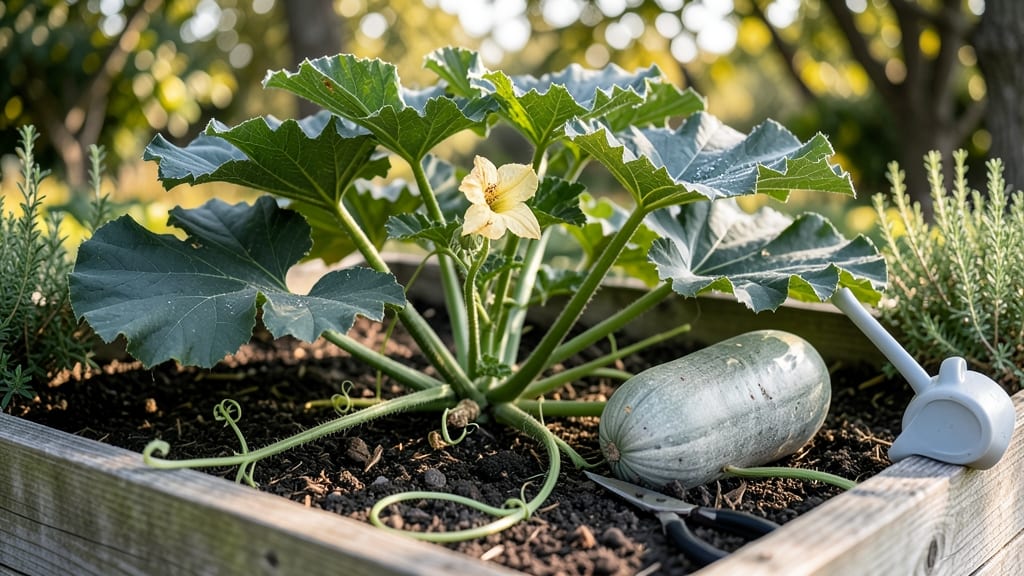
That gray fuzz on your zucchini isn’t just dirt—it’s a fungal warning sign. 🌱 I’ve battled powdery mildew and downy mildew on my squash, and I’ll show you how to spot the difference between healthy gray squash varieties and diseased plants in seconds.
The key is texture: healthy gray squash (like 'Banana Blush') has smooth skin, while fungal gray is powdery or slimy. Overwatering, crowded plants, and poor airflow create the perfect storm for these infections—yet most gardeners fix the wrong issue first.
You’ll learn to treat it organically with neem oil or copper spray, or chemically with fungicides, plus how to prevent future outbreaks. Your harvest won’t just survive—it’ll thrive with these simple fixes. Works for all squash types, from zucchini to pattypan. Let’s get your plants back to vibrant green!
The Hidden Culprits Behind Gray Squash
When your zucchini or summer squash develops a dull, grayish hue instead of its usual vibrant green, it’s usually a sign that something’s gone awry—whether it’s environmental stress, disease, or improper care. Understanding these causes can help you prevent the issue before it ruins your harvest.
Below, we break down the most common reasons your squash turns gray, complete with science-backed explanations and actionable fixes.
Gray or bleached patches on squash often mean the plant has been exposed to excessive heat or direct sunlight. While squash thrives in warm weather, extreme heat—especially when combined with dry conditions—can cause:
- Sun scorch: The plant’s protective cuticle (a waxy layer on the skin) breaks down under intense UV rays, leading to grayish, papery spots. Think of it like getting a sunburn—just for your squash!
- Heat stress: High temperatures disrupt photosynthesis, weakening the plant’s ability to produce chlorophyll (the pigment that gives squash its green color). Without enough chlorophyll, the skin loses its vibrancy and turns grayish-white.
How to fix it:
- Provide afternoon shade with row covers or shade cloth (30-50% coverage) during peak heat.
- Ensure consistent watering (1-2 inches per week) to help the plant regulate its temperature.
- Choose heat-tolerant varieties like ‘Eight Ball’ zucchini or ‘Gold Rush’ summer squash if you’re in a hot climate.
Squash plants are thirsty but sensitive—too much or too little water can trigger graying. Here’s how it happens:
- Underwatering: When soil dries out, the plant’s cells plasmolyze (shrink), damaging the skin and causing grayish, leathery patches. This is especially common in sandy or fast-draining soils.
- Overwatering or poor drainage: Excess moisture leads to root rot or fungal infections (like Fusarium or Phytophthora), which weaken the plant and cause gray mold or discoloration.
- Inconsistent watering: Fluctuating moisture levels stress the plant, leading to blossom-end rot-like symptoms (gray, sunken spots) even if the issue isn’t calcium-related.
How to fix it:
- Water deeply and consistently—aim for 1-1.5 inches per week, more in extreme heat.
- Use mulch (straw or grass clippings) to retain moisture and regulate soil temperature.
- Avoid wetting the leaves (water at the base) to prevent fungal diseases.
- Test your soil’s drainage—if water pools, amend with compost or sand.
Gray squash can also be a sign of pathogens taking over. The most common culprits include:
| Disease | Symptoms | Cause |
|---|---|---|
| Powdery Mildew | Grayish-white, powdery coating on leaves and squash (like dust). Leaves may yellow and curl. | Fungal spores thrive in humid, low-light conditions (e.g., crowded plants, poor airflow). |
| Downy Mildew | Grayish-purple fuzzy spots on the underside of leaves; squash may develop grayish lesions. | Caused by the Peronospora fungus in cool, wet weather. |
| Alternaria Leaf Spot | Dark gray or black concentric rings on squash skin; may ooze in damp conditions. | Fungal spores spread via water splashes or infected debris. |
| Bacterial Soft Rot | Gray, watery mushy spots that smell foul; squash collapses when handled. | Bacteria (Erwinia) thrive in wounded tissue (e.g., from hail or harvesting). |
How to fix it:
- Prevent spread: Remove infected plants immediately (don’t compost them—bag and trash them).
- Improve airflow: Space plants 2-3 feet apart and prune nearby foliage.
- Fungicides: Use neem oil (for powdery mildew) or copper fungicide (for bacterial issues) as a preventive spray.
- Avoid overhead watering—use drip irrigation instead.
Gray squash can also signal that your plant isn’t getting the right nutrients—or is getting too much of something. The most likely offenders:
- Magnesium deficiency: Causes interveinal chlorosis (grayish-yellow patches between leaf veins) and weakens the plant’s ability to produce vibrant green skin.
- Calcium deficiency: Leads to blossom-end rot-like symptoms (gray, sunken spots at the squash’s base) due to poor cell wall structure.
- Excess nitrogen: While nitrogen boosts leafy growth, too much can cause weak, pale stems and grayish, rubbery squash.
- Salt or boron toxicity: Gray, crinkled spots may appear if soil has high salt levels (from fertilizers or poor-quality water) or boron buildup.
How to fix it:
- Test your soil (a simple home test kit or lab analysis works). Amend with:
- Epsom salt (for magnesium)
- Crushed eggshells or lime (for calcium)
- Compost or balanced fertilizer (like 10-10-10) to avoid nitrogen overload.
- Flush soil if you suspect salt buildup—water heavily to leach excess salts.
- Avoid over-fertilizing—more isn’t always better!
By identifying the root cause of your gray squash—whether it’s environmental stress, disease, or nutrient issues—you can take targeted steps to restore your plants’ health. Next up, we’ll cover how to prevent these problems before they start! 🌱
Quick Fixes for Squash Confusion
Got a gray squash staring back at you from the produce aisle, wondering if it’s a zucchini or something else? Don’t stress—here’s how to instantly tell them apart and avoid kitchen mishaps.
Gray squash isn’t a thing—it’s likely a zucchini with a rough skin or a young pattypan squash (which can look grayish when unripe). Here’s how to spot the difference:
- Zucchini (Young & Green)
- Smooth, matte green skin (never gray).
- Rounded ends, slightly ribbed sides.
- Fix: If it’s grayish, it’s probably overripe or sunburned—skip it!
- Pattypan Squash (Grayish When Young)
- Scalloped edges (like a tiny boat).
- Skin turns yellow-green as it ripens (gray is just the baby stage).
- Fix: Wait a few days—it’ll brighten up!
- Gray from Dirt or Mold?
- Rub your fingers over it—dirt wipes off, mold doesn’t.
- Fix: Soak in vinegar water (1:3 ratio) for 10 mins, scrub with a brush, then dry.
If you’re still guessing, cook a small test piece—zucchini and pattypan taste very similar but behave differently:
| Test | Zucchini | Pattypan Squash |
|---|---|---|
| Raw Taste | Mild, slightly bitter | Sweeter, nuttier |
| Cooked Texture | Soft, absorbs flavors | Firmer, holds shape better |
| Best Use | Grilling, spiralizing | Stuffing, roasting whole |
Pro Tip: 💡 If it’s gray but firm, try roasting it—pattypans caramelize beautifully!
Avoid gray squash surprises with these shopping hacks:
- Pick zucchini when they’re small (6–8 inches) for smooth, bright green skin.
- Look for pattypans with yellow-green tops—they’re riper and less gray.
- Store properly: Keep squash in a paper bag in the fridge (not plastic) to slow ripening.
- Freeze extras! 🥶 Slice zucchini, blanch for 2 mins, then freeze in bags for later soups.
Final Verdict: Gray squash? Don’t panic—just inspect, test, or toss! Now you’re a squash detective. 🕵️♂️🥒
Frequently asked questions
Why does my zucchini look gray instead of green?
Gray zucchini is usually a sign of fungal infection (like powdery mildew) or sun scorch. Check for powdery residue—if it wipes off, it’s likely mildew. If the gray is dry and papery, it’s probably heat damage. Fix it by improving airflow and shading plants in hot afternoons.
Is gray squash safe to eat?
Only if the gray is just dirt or a natural variety like 'Banana Blush' squash. If it’s moldy (fuzzy or slimy), toss it. For questionable cases, cut off the gray part and check the flesh—if it’s firm and fresh, the rest is likely safe to cook.
How can I prevent gray squash from growing?
Space plants 2-3 feet apart for airflow, water at the base (not leaves), and use neem oil every 2 weeks as prevention. Mulch with straw to keep soil moist but not soggy. Heat-tolerant varieties like 'Eight Ball' zucchini also resist graying better.
What’s the difference between gray zucchini and pattypan squash?
Pattypan squash has scalloped edges and turns yellow-green when ripe, while gray zucchini is usually diseased. Young pattypans may look grayish, but their skin smooths out as they mature. For cooking, pattypans hold shape better when roasted.
Can I save a gray squash plant?
Yes! Prune infected leaves, apply copper fungicide, and improve spacing. If it’s sunburn, provide afternoon shade. For severe cases, remove the plant entirely to prevent spread. Healthy new growth should appear within 1-2 weeks with proper care.