
Picking
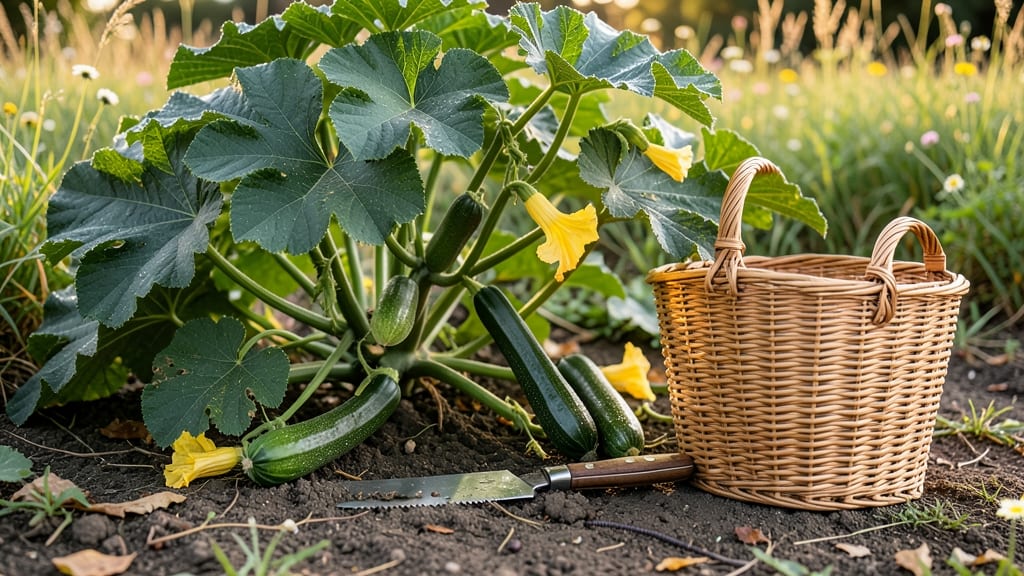
Picking zucchini squash at the right time means the difference between a tender, flavorful meal and a tough, seedy disappointment — and the window is narrower than you think.
That first 6-inch 🎃 you spot might still be too young, while the 8-inch beauty could already be past its prime. I’ve learned the hard way that zucchini ripen fast, and missing the sweet spot means wasted effort (or a kitchen overflowing with oversized squash).
Here’s the secret: a simple 3-stage touch test that tells you exactly when to pick for peak flavor, whether you’re harvesting for salads, roasting, or preserving. No guesswork, no bitter surprises.
You’ll discover how to read size, color, and texture cues — and why picking at the right stage keeps your plants producing for weeks. Let’s get started.
The 3-Stage touch test: how to determine zucchini ripeness by feel
Picking zucchini at the perfect moment transforms a simple garden task into a flavor victory. The 3-stage touch test lets you judge ripeness with just your fingertips—no rulers or guesswork needed.
This method works for all zucchini varieties and adapts to different growing conditions. The key? Understanding how texture, size, and stem changes signal each ripening stage.
Most gardeners focus on size or color, but tactile feedback reveals the real story. A zucchini's skin firmness and stem tenderness tell you exactly when to harvest for maximum tenderness and minimum bitterness.
Master this test, and you'll never waste another zucchini on the vine. Let's start with the first stage—where young zucchini hide their potential.
| Stage | Size | Texture Test | Stem Sign | Best Use |
|---|---|---|---|---|
| Firm Young | 3-5 inches | Skin resists thumbnail pressure | Green stem end (firm) | Cooking (grilling, frying) |
| Tender Prime | 6-8 inches | Slight give when pressed | Yellow stem end (detaches easily) | Raw or cooked (best flavor) |
| Overripe | 9+ inches | Hard or spongy texture | Dry stem base | Seed saving only |
In the firm young stage, zucchini are typically 3-5 inches long and feel almost rock-hard when you press your thumbnail into the skin. This is the first harvest window, but these squash are best suited for quick cooking methods like grilling or frying.
Their small size means fewer seeds, but the flavor can be slightly bitter if left on the vine too long. I always pick these for my zucchini fritters—they hold their shape perfectly.
Move to the tender prime stage when zucchini reach 6-8 inches and their skin yields slightly under gentle pressure. This is the golden window for peak flavor and texture. The stem should detach easily, leaving a small yellow scar.
At this stage, zucchini are ideal for raw salads, spiralizing, or baking. I find this stage offers the best balance of sweetness and tenderness, making it my favorite for roasted zucchini dishes.
By the time zucchini reach the overripe stage, they're often 9 inches or longer and feel either hard as a board or spongy to the touch. The stem base turns dry and papery, and the skin may develop a mottled appearance.
While these are perfect for seed saving, their flesh becomes watery and seedy. I've learned the hard way—these zucchini are only good for bread or compost, not eating. Regular harvesting keeps your plants producing instead of putting all their energy into giant squash.
Pro tip: Use your fingertips, not nails, for the touch test. Your thumbnail can bruise the skin, while fingertips provide gentle, accurate pressure. Test the squash's midsection—this area shows the most consistent ripening.
If you're growing bush varieties, check fruits every 2-3 days since they ripen faster than vining types. For container-grown zucchini, the touch test is even more critical—they mature quickly in warm conditions.
Color alone isn't enough—some zucchini stay green even when overripe. That's why the 3-stage touch test works better than visual cues. Pay attention to how the squash feels in your hand: firm = young, slightly yielding = prime, hard or spongy = overripe.
This method saves time and ensures you're always harvesting at the perfect moment. Once you master it, you'll never second-guess when to pick again.
For container gardeners, the touch test becomes even more important since space is limited. Smaller containers mean faster ripening, so check your zucchini daily during peak summer heat.
I keep a small notebook by my raised beds to track which plants produce the most tender prime-stage zucchini—this helps me plan next year's layout. The touch test isn't just about picking; it's about understanding your plants' rhythm.
Remember: Consistency is key. The more you practice the touch test, the more intuitive it becomes. Start by testing a few zucchini from each stage side by side—you'll quickly notice the subtle differences in texture.
Before you know it, you'll be harvesting zucchini at their peak without even thinking about it. Happy gardening, and may your kitchen always have the perfect squash!
Why picking zucchini at the right stage saves your harvest (and your dinner)
Picking zucchini squash at the wrong time can turn your homegrown bounty into a culinary disappointment. Too early, and you get bitter, watery flesh—too late, and you're left with large, seedy monsters that even grilling can't save.
The difference between a tender, sweet zucchini and a tough, flavorless one often comes down to timing. When you harvest matters just as much as how you grow it.
I've learned the hard way that zucchini don't stay at peak flavor forever. In just 3-5 days past their prime, they go from delicious to disappointing. The good news?
With the right knowledge, you can extend your harvest window and ensure every zucchini you pick is ready for the kitchen—or the seed-saving jar. Let's explore why timing matters and how to get it right every time.
⚠️ Miss the Window and Pay the Price
Underripe zucchini (picked too early) have:
- Bitter flavor from high water content
- Thin, watery flesh that falls apart
- Poor texture for grilling or baking
Overripe zucchini (picked too late) develop:
- Hard, seedy centers (inedible without removal)
- Tough, fibrous skin that's difficult to peel
- Reduced shelf life—they spoil faster
Pro Tip: Harvest when zucchini are 6-8 inches long and deep green with a slight give when pressed near the stem.
Harvesting at the right stage isn't just about flavor—it's about plant health. When zucchini grow too large, they drain energy from the plant, reducing future yields. I've seen overloaded vines collapse under the weight of giant squash, leaving fewer opportunities for new flowers to set fruit.
Regular harvesting actually encourages more production by signaling the plant to keep making flowers.
For seed-saving purposes, you'll want to let zucchini mature fully until they develop yellow blossom ends and hard, dry seeds. But for eating? Stop harvesting for seeds when the zucchini reach 10-12 inches—they'll be past their prime for fresh use.
Save those giant ones for zucchini bread or roasting, where their concentrated flavor shines.
Storage plays a crucial role in extending your harvest's freshness. Never refrigerate zucchini until ready to use—the cold turns their flesh mealy and waterlogged. Instead, store them at room temperature in a paper bag with a few apple slices to absorb excess moisture.
This keeps them crisp for 3-5 days. For longer storage, try freezing sliced zucchini (blanched first) or pickling them in vinegar brine.
One of my biggest lessons came when I ignored the 3-stage touch test and let zucchini grow until they were foot-long monsters. While they made impressive centerpieces, their seedy, watery interiors were nearly inedible.
Now, I check my plants every 2-3 days during peak season, using the thumbnail test to catch them at perfect ripeness. This simple habit has transformed my harvest from culinary casualties to kitchen stars. 🌱