
Companion Plants
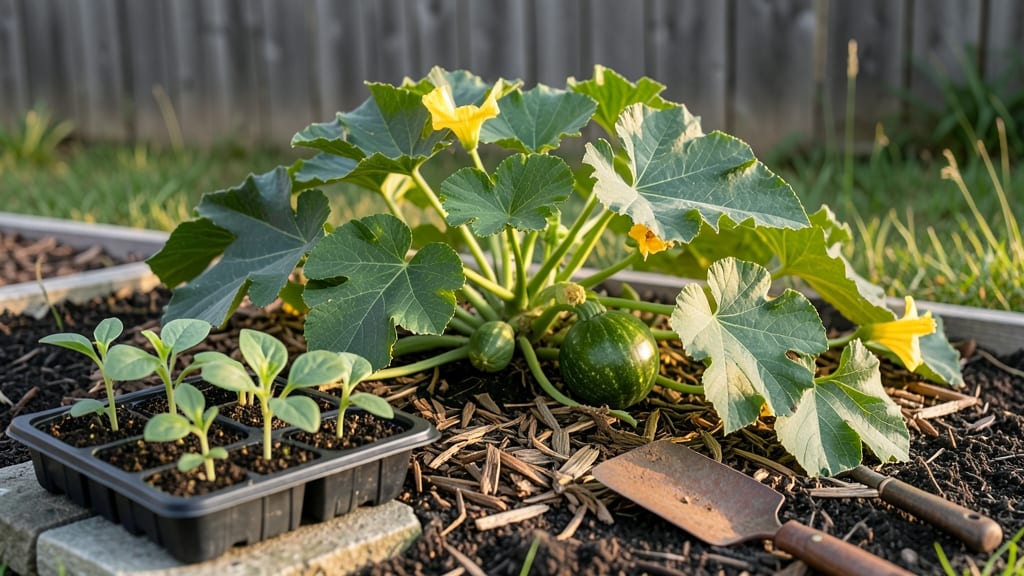
Squash plants need 3 to 6 feet of space between them to thrive 🎃 — a rule that keeps vines healthy, airflow strong, and yields from stunted to spectacular.
Picture this: your zucchini vines sprawling into a tangled mess, leaves yellowing from trapped moisture, and fruits rotting before they ripen. That’s what happens when you ignore spacing, and it’s a problem even experienced gardeners face.
Proper spacing isn’t just about giving roots room to stretch—it’s about preventing disease, maximizing sunlight, and ensuring your squash plants grow strong enough to produce bigger, healthier fruit all season long.
Below, I’ll break down the exact spacing rules for summer and winter squash varieties, how to adjust if you’ve already planted too close, and space-saving tricks for small gardens. Let’s get those vines breathing easy!
Optimal squash plant spacing by variety: summer vs winter squash guidelines
Getting the space between squash plants right can make or break your harvest. Squash plants—whether summer varieties like zucchini or winter varieties like butternut—need room to thrive. Crowding leads to poor airflow, increased disease risk, and smaller fruits.
Let’s break down the ideal spacing for each type to ensure your vines spread out happily and your harvests stay bountiful.
First, understand that squash falls into two main growth categories: bush types (compact) and vining types (sprawling). Bush varieties, like bush zucchini, stay contained, while vining types, like pumpkins or spaghetti squash, can stretch 10+ feet.
Your spacing strategy should match the plant’s natural growth habit to avoid overcrowding or wasted space.
Here’s the key: summer squash (like zucchini and yellow squash) typically mature faster and produce smaller fruits, so they can tolerate slightly closer spacing. Winter squash (like butternut and pumpkins), however, need more room to develop their larger, heavier fruits without competing for nutrients or sunlight.
| Variety | Type | Plant Spacing (inches) | Row Spacing (feet) | Soil Depth (inches) | Notes |
|---|---|---|---|---|---|
| Zucchini (bush) | Summer | 24–36 | 3–4 | 12–18 | Compact; harvest frequently. |
| Zucchini (vining) | Summer | 36–48 | 4–5 | 12–18 | Needs trellis support. |
| Yellow Squash | Summer | 24–36 | 3–4 | 12–18 | Similar to zucchini. |
| Pumpkins | Winter | 36–72 | 5–8 | 18–24 | Heavy vines; needs space. |
| Butternut Squash | Winter | 36–48 | 4–5 | 12–18 | Trellis-friendly for smaller varieties. |
| Spaghetti Squash | Winter | 36–48 | 4–5 | 12–18 | Vining; needs support. |
For summer squash varieties, like zucchini and yellow squash, aim for 24–36 inches between plants in the row. This spacing ensures each plant gets enough sunlight and airflow to produce healthy, disease-free fruits.
If you’re growing bush types, you can space them slightly closer (24 inches), but vining types need the full 36 inches to sprawl without competition.
When planting winter squash, such as pumpkins or but
How crowding affects squash growth: signs of overplanting and fixes
When squash plants compete for sunlight and nutrients, their growth suffers in ways that go beyond just smaller leaves. I’ve seen powdery mildew spread like wildfire through crowded patches, and weak stems that snap under the weight of tiny, deformed fruit.
The good news? You can often salvage your plants with a few strategic adjustments—even mid-season.
First, recognize the red flags of overcrowding: yellowing leaves, stunted vines, and fruits that stay small despite plenty of water. These aren’t just cosmetic issues—they signal stress responses that weaken your entire harvest. The key is acting fast before diseases take hold or your plants give up entirely.
⚠️ WARNING: Space Between Squash Plants
Squash plants need 3-6 feet between hills—not just rows. Crowding beyond 2 feet between vines invites fungal diseases like powdery mildew and pests like squash bugs. Even bush varieties (like zucchini) need 2-3 feet of elbow room to thrive.
If your plants are already too close, prune aggressively to improve airflow—remove lower leaves and weak vines to redirect energy to fruit production.
To fix overcrowding, start by thinning plants to your ideal spacing. For vining squash (like butternut or pumpkins), keep only the strongest vine per hill and prune others at the base.
For bush types, reduce plant density by 30-50%—yes, it hurts to pull up seedlings, but it saves your harvest.
If thinning isn’t an option (like in small gardens), trellis your squash vertically. This lifts vines off the ground, improving airflow and making it easier to monitor for pests or disease.
I’ve had great success with 3-foot-tall trellises for zucchini, which freed up ground space for companion plants like beans or radishes.
Don’t forget the pruning hack: Remove side shoots that grow below the first fruit. This forces energy into existing fruits rather than new growth. Pair this with mulching to retain moisture and suppress weeds, which compete for nutrients your squash desperately needs.
Finally, rotate crops next year to prevent soil-borne diseases that thrive in crowded conditions. Squash are heavy feeders, so amend your soil with compost before replanting. With these fixes, you’ll see healthier vines, bigger fruit, and fewer headaches—no more sad, stunted squash!