
Vegetables
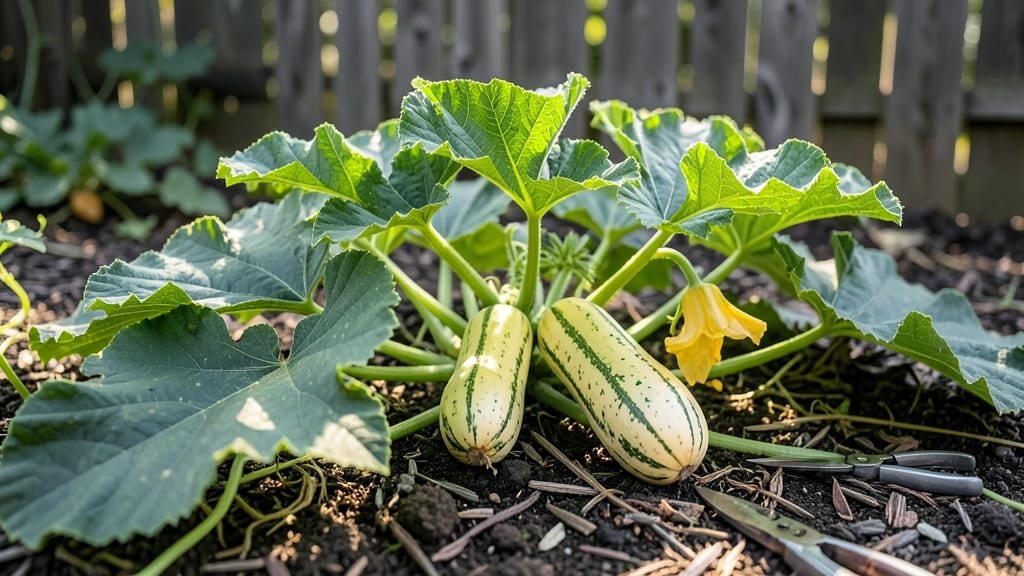
Nothing beats the summer bounty of yellow squash with stripes, like Crookneck or Straightneck, which deliver both beauty and flavor to your table. 🌱 These varieties aren’t just pretty—they’re prolific producers with sweet, tender flesh perfect for roasting or grilling.
The secret to their bold harvests starts with the right soil, spacing, and a little patience for their unique growth habits.
Start with well-draining soil rich in compost, and plant seeds after your last frost when soil temperatures hit 60°F. These squash love full sun (6+ hours daily) and need space to sprawl—3-4 feet between plants keeps vines from crowding.
Water consistently at the base to avoid mildew, and watch for squash bugs by checking undersides of leaves weekly.
Harvest begins when squash are 6-8 inches long and still tender—wait too long and they turn woody. Pick regularly to encourage more production, and you'll enjoy a steady supply all summer. The striped varieties stay productive longer than plain yellow squash, making them a gardener's favorite for extended harvests.
Even in small gardens, these varieties thrive in containers or trellises if space is tight. Just remember: the more you pick, the more they produce. Once you try growing these, you'll never go back to boring green zucchini again!
Genetics And Growth Patterns Explained
Those striking stripes on your yellow squash aren’t just a quirky visual treat—they’re a fascinating blend of genetics, plant physiology, and environmental cues. Let’s break down the science behind why your squash develops these bold patterns, so you can either embrace them or troubleshoot if something feels "off."
Stripes on yellow squash (like Cucurbita pepo) are often a hereditary trait passed down from parent plants. If you grew your seeds from a striped squash—or bought them from a reputable seed company specializing in heirloom or patterned varieties—those genes are likely hard at work.
- Dominant vs. recessive genes: Striped patterns are usually dominant, meaning even one striped parent can produce striped offspring. If both parents lack stripes, the squash may stay uniform yellow.
- Hybrid vs. heirloom: Hybrid seeds (like those from big-box stores) are bred for uniformity, so stripes may be less common. Heirloom or open-pollinated seeds (e.g., 'Banana', 'Golden Zucchini') are more likely to produce striped squash.
- Actionable tip: If you want stripes, start with seeds labeled as "striped" or "heirloom". Save seeds from your best striped squash for next year!
Those stripes aren’t just for show—they’re a chlorophyll and light-response phenomenon. Here’s how it works:
| Factor | How It Affects Stripes |
|---|---|
| Sun exposure | Squash vines grow toward light, and uneven sunlight can cause variegation—where some cells produce more chlorophyll (green) and others less (yellow). Stripes form when chlorophyll concentrates in specific patterns along the fruit’s surface. |
| Cell differentiation | During growth, some cells in the squash’s rind stop producing chlorophyll while others keep it up, creating the striped effect. Think of it like a natural tie-dye process! |
| Temperature fluctuations | Cooler nights or hot days can slow down chlorophyll production in certain areas, deepening the yellow stripes. This is why stripes might look more pronounced in late summer when temps swing wildly. |
💡 Pro Tip: If your stripes are fainter than expected, your plants might not be getting enough direct sunlight (6+ hours/day). Try moving containers or thinning nearby shade sources.
While stripes are usually natural, stress or nutrient issues can sometimes mimic or exaggerate them—or even cause unwanted mottling. Here’s what to watch for:
🔥 A. Water Stress (Too Much Or Too Little)
- Underwatering: Causes uneven cell growth, leading to patchy yellowing or stripe-like discoloration. Squash rinds need consistent moisture to develop smoothly.
- Overwatering: Can lead to blossom-end rot or fungal issues, which may create dark streaks along the stripes (not the same as natural patterns).
- Fix it: Water at the base of plants (not leaves) and aim for 1–1.5 inches of water per week.
🌡️ B. Temperature Swings
Extreme heat (above 90°F) or cold snaps (below 50°F) can disrupt pigment production, making stripes more jagged or causing blotchy yellowing. This is especially common in:
- Greenhouse-grown squash (rapid temp changes).
- Early/late-season plants in unpredictable climates.
🍽️ C. Nutrient Deficiencies (Or Toxicities)
A lack of magnesium, nitrogen, or boron can create yellowing patterns that resemble stripes. Here’s the breakdown:
| Nutrient Issue | Symptoms | Solution |
|---|---|---|
| Magnesium deficiency | Yellow stripes between veins (like interveinal chlorosis). | Apply Epsom salt (1 tbsp/gallon of water) every 2 weeks. |
| Nitrogen deficiency | Pale yellow stripes or overall dull color. | Use a balanced fertilizer (10-10-10) or compost. |
| Boron toxicity | Dark, irregular streaks (not clean stripes). | Flush soil with water to leach out excess boron. |
✨ Key Takeaway: If your stripes look unusual (e.g., dark streaks, wilting, or distorted shapes), test your soil or adjust care. Natural stripes should be consistent in pattern and not paired with other stress signs.
Next up: How to Encourage (Or Fix) Those Stripes—plus when to harvest for the best flavor and texture!
Fixing Striped Squash for Perfect Produce
If your yellow squash is sporting unexpected stripes—whether from pests, disease, or environmental stress—don’t panic! With the right fixes and prevention strategies, you can restore healthy, vibrant growth and even boost future harvests.
Below, we break down the most common causes and practical, step-by-step solutions to get your plants back on track.
If tiny critters like cucumber beetles or squash bugs are the culprits, act fast to stop the spread and protect your plants.
🔥 Immediate Fix: Remove Infestations
- 👨🍳 Handpick pests in the early morning when they’re sluggish.
Drop them into soapy water to kill them instantly. - 🥘 Use row covers (lightweight fabric) to shield young plants from beetles while allowing pollination. - 🔪 Prune affected leaves if stripes are severe, but avoid over-trimming to stress the plant further.
🌱 Prevention Tips for Next Season
- 💡 Plant trap crops like radishes or nasturtiums nearby to lure pests away.
- ⏰ Rotate crops—don’t plant squash in the same spot yearly to break pest life cycles.
- 🌡️ Encourage natural predators like ladybugs and lacewings by planting companion flowers (e.g., marigolds).
Stripes can also appear when plants struggle with inconsistent conditions. Adjust these factors to restore health.
☀️ Fixing Sunlight Issues
- 📊 Ensure 6–8 hours of direct sun daily. If your garden is shady, relocate plants or supplement with grow lights.
- ✨ Monitor leaf color: Pale or yellow stripes?
The plant may need more sun. Dark, crispy edges? It’s getting too much heat—provide afternoon shade with a cloth or mesh.
💧 Watering Like a Pro
- 🔥 Water deeply 1–2 times per week (1–1.5 inches per week) rather than daily shallow watering.
Stripes from uneven moisture can mimic pest damage. - 🌱 Use drip irrigation to keep foliage dry and reduce fungal risks. - 🎯 Check soil moisture by sticking your finger 1–2 inches deep. If it’s dry, water thoroughly.
🌱 Soil and Nutrient Fixes
- 💪 Test your soil for pH (ideal: 6.0–7.0) and nutrient deficiencies. Yellow stripes with weak stems? Add compost or a balanced fertilizer (10-10-10).
- 🥗 Avoid over-fertilizing with nitrogen—it promotes leafy growth but weakens fruit quality.
Focus on potassium and phosphorus for stronger vines.
If stripes are paired with spots, wilting, or mold, a fungal or bacterial infection may be to blame. Here’s how to tackle it:
🔪 Remove and Replace Infected Parts
- 🍳 Prune diseased leaves immediately using sterilized shears (wipe with rubbing alcohol between cuts).
- 🥘 Destroy infected plant debris—don’t compost it!
Burn or bag it to prevent reinfection. - 🌡️ Space plants properly (2–3 feet apart) to improve airflow and reduce humidity, which fuels spores.
💡 Chemical and Organic Treatments
- 🌱 Spray with neem oil (1 tsp per quart of water) or copper fungicide for fungal issues like powdery mildew.
- 🔥 For bacterial spots, use a mix of 1 tbsp baking soda + 1 tsp dish soap + 1 gallon water.
Spray every 7–10 days. - ✨ Prevent future outbreaks by watering at the base (not overhead) and choosing disease-resistant varieties like ‘Defender’ or ‘Gold Rush.’
Once your plants recover, keep these proactive tips in mind to avoid future stripes:
- 💡 Start with healthy seeds/transplants—buy from reputable suppliers to avoid bringing diseases into your garden. - 🌡️ Mulch heavily (2–3 inches of straw or grass clippings) to retain moisture, regulate soil temp, and deter pests. - 🎯 Harvest promptly—overripe squash is more prone to stress and disease.
Pick when 6–8 inches long for the best flavor and resilience. - 🥗 Practice crop rotation—wait 3 years before replanting squash in the same spot to prevent soil-borne issues.
By addressing the root cause—whether it’s pests, environmental stress, or disease—you’ll not only save your current crop but also set up your garden for bold, stripe-free harvests next season. 🌿🍽️
Frequently asked questions
What's the difference between Crookneck and Straightneck yellow squash?
Crookneck varieties have a distinctive curved neck and bulbous shape, while Straightneck squash grow in a straight, elongated form. Both produce sweet, tender flesh perfect for grilling or sautéing, but Crookneck's unique shape makes it a showstopper in dishes.
Can I grow striped yellow squash in containers?
Choose compact varieties like 'Eight Ball' or 'Patio Star' and use containers at least 12 inches deep with good drainage. Place them in full sun (6+ hours) and give vines room to sprawl with trellises or stakes. Container-grown squash often ripen faster in warm climates.
Why are my squash developing stripes when they're supposed to be solid yellow?
Natural genetic variation can cause stripes, but stress factors like inconsistent watering, nutrient deficiencies (especially magnesium), or uneven sunlight may also create stripe-like patterns. Test your soil and ensure plants receive 1-1.5 inches of water weekly at the base.
How do I know when striped yellow squash is ripe for harvesting?
Pick when squash are 6-8 inches long and still tender with smooth, shiny skin. Press gently—they should yield slightly but not feel mushy. Harvest in the morning when flavors are peak, and use a sharp knife to avoid damaging vines. Regular picking encourages more production!
What's the best way to store harvested striped squash?
Store at room temperature in a cool, dry place for up to 1 week. For longer storage, refrigerate unwashed squash in a plastic bag with a paper towel to absorb moisture. Avoid washing until ready to use to prevent spoilage. Frozen squash works well for soups or stews.