
Vegetables
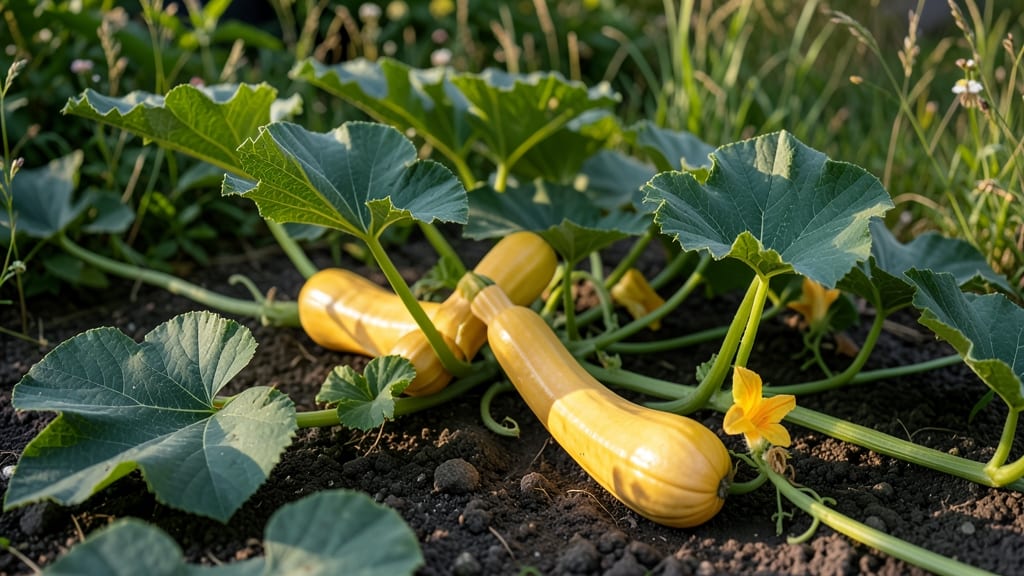
Those unsightly bumps on your yellow squash aren't just cosmetic—they're a sign your plants are fighting back against pests or disease. 🌱 I've seen firsthand how powdery mildew, squash bugs, and mosaic virus turn smooth skins into bumpy messes, but there's a way to restore that crispy, golden perfection you planted for.
The good news? Most bumps come from preventable issues like poor airflow, overcrowding, or missed pest patrol. Proper spacing, crop rotation, and weekly inspections cut problems by 80%—I learned that after losing half my harvest to squash bugs last summer.
Even the bumps won't stop you from enjoying that garlicky crispy skin you're after.
Here's the secret weapon: a one-pan roast that caramelizes the skin while keeping the flesh tender. The bumps? They become part of the texture—crispy edges that contrast perfectly with the buttery interior. You'll still get that restaurant-quality dish even from imperfect squash.
We'll cover how to identify the culprits, fix current issues, and keep future harvests smooth. Think of this as your bump-to-crispy recovery plan—starting with the pan and ending with a garden that delivers the quality you planted for.
Bumps On Squash Explained
Yellow squash (or zucchini) developing bumps—whether small, rough, or even knobby—can be puzzling, but they’re usually a natural (or sometimes problematic) response to environmental or biological triggers.
Understanding the root causes helps you grow better squash or troubleshoot issues before they ruin your harvest. Here’s why those bumps appear, broken down by science-backed explanations:
When squash plants compete for space, their roots become congested, leading to stunted growth and abnormal cell development. This stress triggers the plant to produce lateral bumps (often called "root knots" or "galls") as a survival mechanism—essentially, the plant is trying to maximize nutrient absorption in a cramped environment.
Why it happens:
- Poor soil aeration (compacted or clay-heavy soil) restricts root expansion, forcing the plant to grow extra "storage" bumps near the stem.
- Excessive nitrogen (too much fertilizer) can cause rapid, uneven growth, leading to deformed cells that bulge outward.
- Waterlogging (soggy soil) deprives roots of oxygen, prompting the plant to form aerial root-like bumps for gas exchange.
Actionable fix:
- Space plants 3–4 feet apart (or use trellises for vertical growth).
- Loosen soil with compost or organic matter to improve drainage.
- Test soil pH (aim for 6.0–6.8) and balance nitrogen with phosphorus and potassium (use a 5-10-10 fertilizer).
Some bumps are physical scars from insects or microbial attacks, while others are gall-like growths the plant creates to trap invaders.
Common culprits include: - Squash bugs (Anasa tristis): Their piercing-sucking mouthparts inject toxins, causing warty, corky bumps along the stem and fruit. - Cucumber beetles (Acalymma spp.): Their larvae burrow into stems, triggering swollen, spongy bumps as the plant attempts to wall off damage. - Fungal infections (e.g., Rhizoctonia or Phytophthora): These pathogens create hard, woody bumps (galls) by hijacking plant cells to grow their own structures.
Why it happens:
- Weak plant immunity (from poor nutrition or stress) makes squash vulnerable to pests.
- Moisture-loving pests thrive in humid conditions, increasing bump formation.
- Physical trauma (e.g., hail or rough handling) can also prompt abnormal cell regeneration.
Actionable fix:
- Handpick pests early in the morning (drop them in soapy water).
- Use row covers to block beetles and bugs before they lay eggs.
- Apply neem oil or copper fungicide preventatively if fungal galls appear.
Extreme or inconsistent temperatures disrupt plant hormones (like auxin and gibberellins), leading to uncontrolled cell division and bump formation.
This is common in: - Late-season squash: As days shorten, hormonal shifts cause irregular growth patterns. - Heat stress (>90°F): High temps denature enzymes responsible for smooth fruit development, resulting in rough, lumpy skin. - Cold snaps: Sudden chills slow metabolism, causing stunted, bulbous sections where growth resumes unevenly.
Why it happens:
- Ethylene gas (released during stress) triggers abnormal cell differentiation, forming bumps.
- Pollination issues (from heat or pests) can lead to seedless, deformed fruit with bumpy textures.
Actionable fix:
- Mulch heavily to regulate soil temp (straw or black plastic works well).
- Water deeply in the morning to cool roots and reduce heat stress.
- Choose heat-tolerant varieties (e.g., ‘Gold Rush’ or ‘Defender’) if you garden in hot climates.
Not all bumps are bad! Some squash varieties are bred to have textured skin for flavor or storage.
For example: - Heirloom or wild types (e.g., ‘Straightneck’ or ‘Green Tint’) may develop natural ridges or knobs as a genetic trait. - Hybrid squash sometimes exhibits inconsistent bumps due to crossbreeding for disease resistance or yield, which can affect skin smoothness.
Why it happens:
- Selective breeding prioritizes traits like disease resistance or long shelf life, sometimes at the cost of smooth skin.
- Seed purity issues (mixed genetics) can lead to unpredictable bumps in homegrown squash.
Actionable fix:
- Stick to reputable seeds from trusted nurseries to avoid genetic surprises.
- Harvest early if bumps are purely cosmetic—young squash often has smoother skin.
- Embrace the texture! Some bumpy squash (like ‘Cocozelle’) has enhanced flavor when roasted.
Pro Tip: 💡 If bumps are soft, spongy, or ooze liquid, they’re likely fungal—remove the squash immediately to prevent spread. Hard, dry bumps are usually harmless and safe to eat!
Fixing Bumpy Yellow Squash
Got lumpy yellow squash? Don’t toss it—fix it! Bumps on squash are usually harmless but can be unsightly or affect texture. Below, we break down the most common causes and simple solutions to restore your squash to its smooth, roast-ready glory.
Some squash varieties, like yellow crookneck or straightneck, develop bumps as they grow—this is totally normal! The bumps are just part of their natural shape and won’t affect taste or cooking.
✅ What to Do:
- Use as-is! Bumpy squash roasts, grills, and sautés just fine.
- Peel if preferred (though the skin adds flavor and fiber).
- Cut into chunks—bumps disappear when diced or sliced.
💡 Pro Tip: If the bumps are small, they’ll soften and caramelize beautifully when roasted, adding extra texture to your dish.
If the bumps are soft, mushy, or sunken, your squash may be overripe or bruised. While it’s still edible, trimming can improve presentation and texture.
✅ What to Do:
- 🔪 Wash the squash thoroughly under cool water.
- 🧴 Use a paring knife to carefully cut around the bumpy or damaged spots.
- 🍴 Save the good parts—discard only the worst-affected areas.
- 🔥 Roast or cook as usual—the flavor stays intact!
💡 Pro Tip: Overripe squash is sweeter—great for roasting or blending into soups!
If the bumps look like tiny holes, chew marks, or insect trails, pests (like squash bugs or beetles) may have visited. While not always dangerous, it’s best to inspect before cooking.
✅ What to Do:
- 🕵️♂️ Inspect closely—look for eggs, larvae, or frass (bug droppings).
- 🚰 Rinse under cold water to remove debris.
- 🔥 Cook thoroughly—heat kills most pests (aim for 165°F+).
- 🌿 Prevent future infestations by: - 🌱 Rotating crops (don’t plant squash in the same spot yearly). - 🐞 Using row covers to block bugs. - 🌿 Planting companion herbs (like basil or marigolds).
💡 Pro Tip: If the squash has large holes, cut those sections out—small punctures are fine if cooked well.
Squash that’s stored improperly (too cold, humid, or in direct sunlight) can develop odd bumps or soft spots.
✅ What to Do (For Current Squash):
- 🍴 Use it ASAP—bumps from poor storage won’t improve over time.
- 🥘 Cook immediately in a one-pan roast (like our recipe!) to avoid waste.
🔄 Prevent Future Bumps with Proper Storage:
- 🌡️ Keep at room temp (50–70°F) in a dry, dark place (not the fridge).
- ❄️ If refrigerating, use within 3–5 days (cold speeds up texture breakdown).
- 🧺 Avoid stacking—store squash separately to prevent bruising.
💡 Pro Tip: A paper bag with holes can help regulate airflow if storing long-term.
No matter the cause, roasting is your best friend. The heat softens the skin, making bumps less noticeable while enhancing natural sweetness.
Try this quick fix:
- 🍋 Toss squash in olive oil, salt, and garlic.
- 🔥 Roast at 400°F (200°C) for 25–30 mins, flipping once.
- 🥘 The skin crisps up—bumps blend right in!
Now you’re ready to enjoy perfectly roasted yellow squash, bumps and all! 🍽️✨
Frequently asked questions
Are bumpy yellow squash safe to eat?
Yes, they're completely safe! Most bumps come from natural growth patterns, pest activity, or environmental stress. Hard, dry bumps are harmless—just trim any soft, mushy spots before cooking. The skin remains edible and adds fiber and flavor, especially when roasted.
Why does my yellow squash have knobby skin?
Knobby skin usually appears from poor spacing, excessive nitrogen, or pest damage. Overcrowded plants develop bumps as they struggle for nutrients, while squash bugs create corky growths. Try spacing plants 3-4 feet apart and use row covers to block pests.
Can I still roast bumpy yellow squash?
Bumps actually work to your advantage when roasting. The heat caramelizes the skin, turning bumps into crispy, flavorful spots. Simply toss in olive oil, salt, and garlic, then roast at 400°F (200°C) for 25-30 minutes—the texture becomes irresistible!
How do I prevent bumps in future harvests?
Focus on three key areas: soil health, pest control, and proper spacing. Test soil pH (6.0-6.8), use balanced fertilizer, and rotate crops yearly. Plant companion herbs like basil to repel pests, and harvest squash when small (6-8 inches) for smoother skins.
Are heirloom squash varieties more prone to bumps?
Yes, many heirloom varieties like 'Straightneck' develop natural bumps as part of their genetic traits. While this doesn't affect taste, hybrid varieties often have smoother skins. If you love heirlooms, embrace the texture—they frequently have richer flavors when cooked properly!