
Vegetables
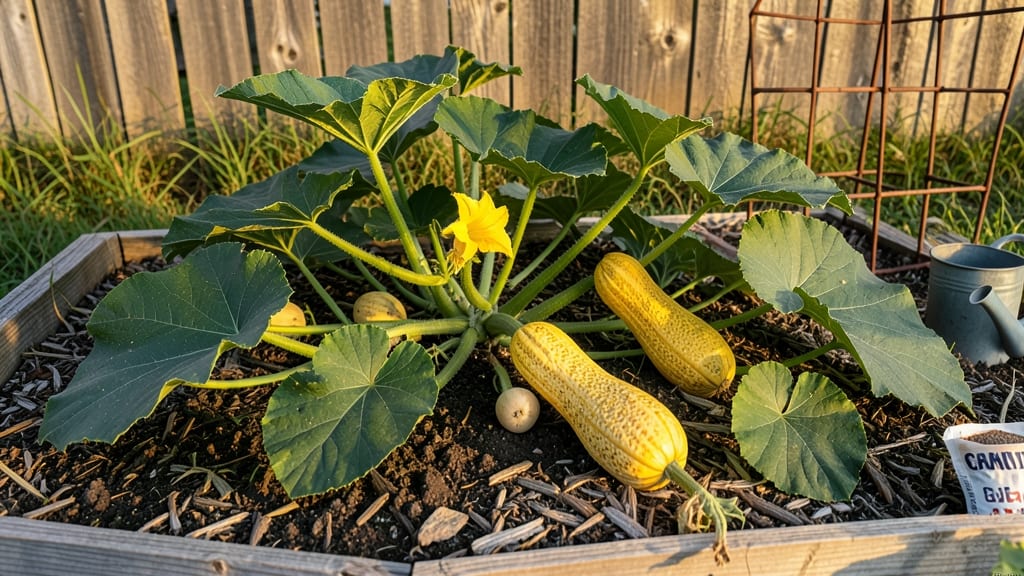
Growing yellow bumpy crookneck squash means reliable harvests even when summer heat fades. 🌱 I've learned this variety thrives where others fail—its cold tolerance keeps producing long after other squash give up. The bumpy texture and golden hue make it a standout in any garden, and the flavor?
Sweet with just the right nuttiness. This squash handles cooler nights better than most, making it perfect for late-season gardens or areas with shorter summers. Plant seeds after your last frost when soil reaches 60°F, spacing them 3-4 feet apart to give vines room to sprawl.
A trellis saves space and keeps fruit off damp soil. By midsummer, you'll be harvesting 6-8 inch squash with tender skins—perfect for roasting or stuffing. The plants keep producing until frost, often yielding 3-5 squash per vine. Companion plants like beans or radishes deter pests while improving soil.
Works in backyard gardens, raised beds, or even large containers. Here's how to maximize your harvest from seed to table!
What Triggers Bumpy Skin Growths
If your yellow crookneck squash is developing unsightly bumps or rough patches, don’t panic—these issues usually stem from a mix of environmental and biological factors. Understanding the root causes helps you take corrective action before harvest.
Below, we break down the most common reasons behind these irregularities, along with science-backed explanations and actionable fixes.
Crookneck squash thrives in warm, stable conditions (70–85°F during the day, 60–70°F at night). When temperatures swing wildly—especially dipping below 50°F or soaring above 90°F—the plant undergoes physiological stress. This triggers abnormal cell growth, leading to:
- Bumpy, lumpy skin: Rapid, uneven expansion due to disrupted photosynthesis.
- Thickened rinds: A defensive response to protect against heat stress or chilling injury.
- Stunted growth: Metabolic slowdowns from extreme temps.
💡 Pro Tip: Use row covers or shade cloth to moderate temps. In cold climates, plant after the last frost and choose cold-resistant varieties like ‘Early Prolific Straightneck’ or ‘Tetsukabuto.’
Crookneck squash is heavy-feeder, meaning it demands a steady supply of nitrogen (N), phosphorus (P), and potassium (K). When soil lacks key nutrients—or has excessive salts or minerals—the plant compensates by altering its growth patterns. Common imbalances include:
| Symptom | Likely Cause | Solution |
|---|---|---|
| Small, misshapen squash with bumpy texture | Low boron (B) or calcium (Ca) | Apply bone meal or calcium-rich compost (e.g., crushed eggshells). Test soil pH (ideal: 6.0–6.8). |
| Rough, cracked skin | Excess nitrogen (N) without enough potassium (K) | Switch to a balanced 5-10-10 fertilizer or use wood ash (sparingly) for potassium. |
| Yellowing leaves + bumpy squash | Magnesium (Mg) or zinc (Zn) deficiency | Add Epsom salt (for Mg) or zinc sulfate per package instructions. |
🔥 Warning: Avoid over-fertilizing! Too much nitrogen leads to soft, watery squash prone to disease.
While bumps aren’t always a sign of pests, certain insects and pathogens can distort squash development. Here’s how they cause the issue:
- Squash bug eggs 🐛: Tiny, yellow eggs laid on leaves or stems hatch into nymphs that pierce the squash, causing scabby, raised lesions.
- Cucumber beetles 🐞: Feed on blossoms and young squash, transmitting bacterial wilt (which creates pitted, uneven surfaces).
- Powdery mildew 🍄: Fungal spores thrive in humid conditions, creating white, crusty bumps on the skin.
- Viral infections (e.g., mosaic virus) 🦠: Spread by aphids, these cause stunted, puckered growth and mottled patterns.
👨🍳 Action Steps:
- Handpick pests early (drop them in soapy water).
- Use neem oil or kaolin clay as a barrier.
- Rotate crops yearly to break disease cycles.
- Remove and destroy infected plants immediately.
Crookneck squash is sensitive to moisture extremes. Irregular watering disrupts cell development, leading to:
- Excess water:
- Soft, blistered bumps from over-irrigation (poor drainage causes fungal issues like Phytophthora).
- Yellowing between veins (blossom-end rot due to calcium leaching).
- Underwatering:
- Thick, leathery skin as the plant conserves moisture.
- Squash may crack as they grow unevenly.
🎯 Best Practices:
- Water deeply 1–2 times per week (1–1.5 inches total), focusing on the roots, not the leaves.
- Use drip irrigation to keep foliage dry and prevent disease.
- Mulch with straw or grass clippings to retain moisture and regulate soil temp.
Most bumpy or irregular squash can be prevented with consistent care. Monitor your plants closely, especially during flowering and fruiting stages, to catch issues early. If the bumps are minor, the squash is likely still edible—just peel or trim affected areas before cooking!
Fixing Common Crookneck Squash Issues
If your yellow bumpy crookneck squash is struggling—whether from environmental stress, pests, or growth quirks—don’t panic! Most problems have simple, actionable fixes. Below, we’ve mapped common issues to solutions, so you can revive your plants and prevent future headaches. 🌱🔧
Cause: Intense midday sun or heat stress turns squash yellow or bumpy. Fix:
- Shade cloth to the rescue: Install 30-50% shade cloth during peak sun (10 AM–4 PM) to reduce heat stress.
- Mulch like a pro: Apply 2–3 inches of straw or grass clippings around the base to regulate soil temperature.
- Water wisely: Deep-water plants in the morning (1–2 inches per week) to cool roots.
Prevention: ✨ Tip: Plant squash near taller crops (like corn or sunflowers) for natural shade. Avoid late-season planting in hot climates.
Cause: Squash bugs, cucumber beetles, or deer can leave bumps, holes, or yellowing. Fix:
- Handpick pests: Check leaves daily and drop bugs into soapy water. 🐞💦
- Neem oil spray: Mix 2 tbsp neem oil + 1 tsp mild soap in 1 gallon of water. Spray every 5–7 days.
- Row covers: Use lightweight fabric to block pests early in the season.
Prevention: 💡 Pro Tip: Interplant with basil or marigolds to repel beetles naturally.
Cause: Irregular watering leads to misshapen, bumpy, or yellow squash. Fix:
- Consistent moisture: Water at the base (not leaves) 1–2 times weekly, ensuring soil stays damp but not soggy.
- Drip irrigation: Set up a slow-release system to avoid fluctuations.
Prevention: 🌡️ Check soil: Stick your finger 1 inch deep—if dry, water immediately.
Cause: Compacted soil or lack of nutrients (like nitrogen or potassium) stunts growth. Fix:
- Amend soil: Mix in compost or aged manure before planting.
- Fertilize mid-season: Use a balanced 10-10-10 fertilizer or banana peel tea (for potassium).
Prevention: 🔥 Boost organic matter: Add worm castings annually to improve soil structure.
Cause: Powdery mildew or downy mildew create yellow patches or bumps. Fix:
- Baking soda spray: Mix 1 tbsp baking soda + 1 tsp soap in 1 gallon of water. Spray weekly.
- Prune infected leaves: Remove and destroy affected foliage immediately.
Prevention: 🎯 Airflow is key: Space plants 2–3 feet apart and avoid overhead watering.
Cause: Squash vines tangled or shaded by weeds/surrounding plants. Fix:
- Thin vines: Gently separate tangled plants and prune excess leaves.
- Weed barriers: Lay cardboard or mulch to block weeds.
Prevention: 💡 Tip: Plant in hills (3–4 seeds per mound) for better airflow.
Final Note: Most issues resolve within 1–2 weeks with consistent care. Monitor your plants daily, and your crookneck squash will thrive! 🎉🍠
Frequently asked questions
Why does my yellow crookneck squash develop bumpy skin?
The bumpy texture is usually caused by environmental stress like temperature swings, nutrient imbalances, or inconsistent watering. Extreme heat or cold disrupts cell growth, while uneven moisture or poor soil can create irregular surfaces. Check your plants' growing conditions and adjust care accordingly.
Can I still eat squash with bumpy skin?
Yes! Minor bumps are usually harmless and don't affect taste or safety. Simply peel or trim affected areas before cooking. Only avoid squash with severe damage, mold, or signs of disease. The flesh remains tender and delicious even with some surface irregularities.
How do I prevent powdery mildew on my squash?
Powdery mildew thrives in humid conditions and appears as white, crusty bumps. Improve airflow by spacing plants 2-3 feet apart, water at the base (not leaves), and apply a baking soda spray (1 tbsp baking soda + 1 tsp soap per gallon of water) weekly as prevention.
When should I harvest yellow crookneck squash?
Harvest when squash reach 6-8 inches long and the skin is firm but tender. Use a sharp knife to avoid damaging vines. Check daily during peak season—overripe squash develop tough skin and lose sweetness. Morning harvests yield the freshest produce.
Can I grow crookneck squash in containers?
Choose large containers (at least 5-gallon size) with drainage holes. Plant 2-3 seeds per container and use a well-draining potting mix. Place in full sun (6+ hours daily) and keep soil consistently moist. Trellising saves space and improves air circulation.