
Propagation
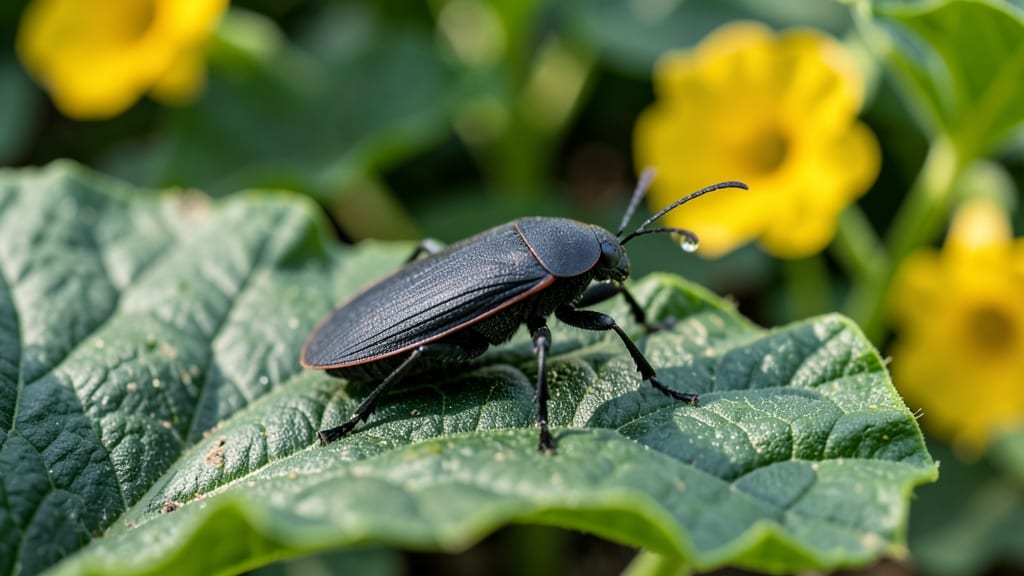
Where do squash bugs come from—they hatch from tiny, camouflaged eggs laid on the undersides of your squash and pumpkin leaves, and I’ve lost entire vines to these sneaky pests. understanding their lifecycle and how they slip into gardens unnoticed.
Adult squash bugs overwinter in garden debris, mulch, or nearby weeds, then emerge in early spring to lay eggs. The nymphs that hatch look like tiny armored beetles and cluster under leaves, feeding on plant sap while releasing a foul odor that repels predators.
By the time you spot them, they’ve already weakened your plants.
Prevention starts with clean garden beds—remove old vines and debris in fall, use row covers early in the season, and scout leaves daily for clusters of eggs (they look like tiny footballs).
Handpick adults and drop them in soapy water, and introduce beneficial predators like spined soldier bugs if possible.
For existing infestations, neem oil or kaolin clay disrupts their feeding, while pyrethrin-based sprays (organic pesticide) target adults. The key is acting fast—once nymphs mature, they’re nearly impossible to control without chemicals. Break the cycle before they do.
The Hidden Origins Of Squash Bugs
Squash bugs don’t just magically appear in your garden—they arrive with a mix of environmental conditions, plant preferences, and sneaky survival tactics. Understanding why they show up helps you outsmart them before they become a full-blown infestation. Here’s the science behind their arrival:
Squash bugs thrive where their favorite host plants—Cucurbits like squash, pumpkins, cucumbers, and melons—are planted too closely together. Here’s why:
- Shelter in numbers: Dense plantings create microclimates with higher humidity and shade, which squash bugs love. Their eggs blend into leaf litter, making them nearly invisible until it’s too late.
- Food buffet effect: When plants are packed tightly, bugs can easily jump from one leaf to another without needing to fly far. This accelerates their population growth.
- Weakened defenses: Overcrowded plants compete for nutrients, becoming stressed and more vulnerable to pest damage.
Actionable fix: Space your plants 3–4 feet apart (check seed packets for variety-specific needs) and thin seedlings early to reduce hiding spots.
Squash bugs are cold-sensitive but explode in numbers when temperatures and moisture align perfectly. Their life cycle accelerates in:
- Warmth (70–90°F): Eggs hatch in 7–10 days in ideal heat, compared to weeks in cooler weather. Adults also lay more eggs faster.
- High humidity: They prefer damp soil and leaf surfaces, which help their eggs stay moist and prevent desiccation.
- Poor airflow: Stagnant air traps heat and moisture, creating a squash bug paradise.
Actionable fix:
- Use mulch (straw or grass clippings) to regulate soil moisture but avoid thick layers that trap heat.
- Prune plants for better airflow—aim for a “bushy but open” structure.
- Water in the early morning to let foliage dry quickly.
Squash bugs don’t just fly in—they hibernate nearby and return when conditions are right. Their overwintering spots include:
| Location | Why They Choose It | How to Block Them |
|---|---|---|
| Under leaf litter or debris | Protects eggs/larvae from freezing and predators. | Clear garden beds in fall and compost debris away from planting areas. |
| Cracks in garden tools or wood | Crevices retain moisture and warmth. | Store tools in dry sheds and treat wood with beeswax or paint to seal gaps. |
| Weedy patches or compost piles | Wild cucurbits (like wild gourds) act as food sources. | Remove weeds year-round and avoid composting squash plant debris. |
Pro tip: 💡 Inspect last year’s garden beds in early spring—adult squash bugs emerge in March–April when soil temps hit 50°F.
Squash bugs have poor dispersal abilities—they can’t fly far (only ~100 feet) or survive long without food. Yet they keep returning to the same spots because:
- No rotation: Planting squash, pumpkins, or cucumbers in the same spot yearly leaves behind eggs, larvae, and adult bugs waiting for their next meal.
- Nearby wild hosts: Even if you rotate crops, squash bugs may hop to wild cucurbits (like Echinocystis lobata) growing in ditches or fields.
Actionable fix:
- Rotate crops annually—avoid planting squash-family crops in the same bed for 3+ years.
- Plant trap crops (like butternut squash) far from your main garden to lure bugs away.
- Check neighboring fields—if a farm or wild patch is nearby, bugs will migrate in.
Squash bugs don’t choose gardens randomly—they’re drawn by opportunity. By addressing these root causes, you disrupt their life cycle and make your garden a less appealing target. Next, we’ll cover how to spot and stop them before they take over.
Banish Squash Bugs Naturally
Squash bugs are relentless garden pests, but with the right strategies, you can reclaim your plants—without resorting to harsh chemicals. The key is to tackle the problem at its source while preventing future infestations. Below, we’ve mapped out practical solutions based on the most common causes of squash bug invasions.
Whether they’re hitchhiking from nearby plants, thriving in debris, or hiding in soil, these fixes will help you outsmart, outmaneuver, and outlast them.
Squash bugs love hiding in leaf litter, mulch, and plant debris—especially during winter. If your garden is cluttered, they’ll have a cozy place to overwinter and re-emerge stronger than ever.
🔥 Fix: Declutter Like a Pro
- Remove plant debris after harvest or pruning. Rake up fallen leaves, vines, and old squash plants and compost them away from your garden (or bag them for trash pickup).
- Tillage trick: In early spring or late fall, till the soil to bury eggs (they can’t hatch if they’re underground). Aim for 2–3 inches deep.
- Clean garden tools after use—bugs can stow away on pruners or shovels. Wipe them down with rubbing alcohol.
💡 Pro Tip: Use a straw mulch (not wood chips) around squash plants—it’s harder for bugs to hide in and easier to spot them early.
Squash bugs target cucurbits (squash, pumpkins, cucumbers, melons) and will return year after year if you plant the same crops in the same spot. They’re also drawn to weeds like buffalo gourd, which they use as a host.
🍳 Fix: Rotate and Diversify
- Rotate crops annually. Avoid planting squash, cucumbers, or melons in the same spot for at least 3 years.
- Interplant with repellents:
- Marigolds (deter pests with their scent)
- Nasturtiums (trap bugs away from your main plants)
- Basil (confuses squash bugs with its strong aroma)
- Remove wild hosts: Pull up buffalo gourd, wild cucumbers, or other cucurbit weeds growing near your garden.
🌡️ Pro Tip: If you must plant squash in the same spot, try container gardening—it limits soil-borne eggs and makes monitoring easier.
Squash bugs attack plants that are already struggling—whether from drought, poor soil, or disease. A healthy plant is their worst nightmare.
👨🍳 Fix: Strengthen Your Plants
- Water deeply but infrequently (1–2 inches per week) to encourage strong roots. Avoid overhead watering, which can attract bugs.
- Feed with compost or balanced fertilizer (10-10-10 or 5-5-5) at planting and mid-season. No fresh manure—it can burn plants and attract pests.
- Prune for airflow: Trim crowded vines to reduce humidity (bugs love damp, shaded spots).
✨ Pro Tip: Neem oil spray (1 tsp neem oil + 1 tsp mild soap per quart of water) can repel adults and smother eggs. Spray undersides of leaves where bugs lay eggs.
Female squash bugs lay tiny, flat eggs in clusters on the undersides of leaves or in soil crevices. If you miss them, you’ll be fighting adults all season.
🔪 Fix: Hunt and Destroy Eggs
- Inspect leaves daily (especially in morning sunlight). Eggs look like tiny footballs and are usually gray or yellow. Scrape them off with a fingernail or stiff brush into soapy water.
- Use row covers early: Install floating row covers (lightweight fabric) over young plants to block adults from laying eggs.
- Diatomaceous earth (DE): Sprinkle food-grade DE around plant bases and leaves. It’s non-toxic but dries out bug eggs. Reapply after rain.
⏰ Pro Tip: Squash bugs emerge in late spring to early summer. Set up yellow sticky traps near plants to catch adults before they lay eggs.
Harsh pesticides can kill beneficial insects (like ladybugs and spiders) that naturally control squash bug populations. Without them, bugs multiply unchecked.
🎯 Fix: Encourage Natural Predators
- Avoid broad-spectrum sprays (like malathion). Instead, use pyrethrin-based insecticides (derived from chrysanthemums) as a last resort.
- Attract bug-eating allies:
- Plant dill, fennel, or parsley to lure parasitic wasps (they lay eggs in squash bug eggs).
- Leave some weeds or wildflowers near your garden for ground beetles and spiders.
- Handpick adults: Drop them into soapy water. Check plants early morning or late evening when bugs are sluggish.
💡 Pro Tip: Beer traps work surprisingly well! Bury a shallow container filled with beer near plants—squash bugs are attracted to the yeast and drown.
With these targeted fixes, you’ll disrupt the squash bug life cycle and give your garden a fighting chance. Consistency is key: combine prevention (rotation, cleanup) with early intervention (egg hunting, predator support) for the best results. Soon, your squash will be thriving—and the bugs will be history! 🚫🐞
Frequently asked questions
How do squash bugs get into my garden if I don’t have squash plants yet?
Squash bugs can arrive even without your target plants by hitching rides on wind, water, or wildlife. They often overwinter in garden debris, weeds like buffalo gourd, or nearby fields, then migrate to your garden when cucurbit plants emerge. Even if you haven’t planted squash yet, check for wild hosts (like morning glories) that might attract them early.
Why do squash bugs appear suddenly when I’ve never had them before?
Sudden squash bug outbreaks often happen when conditions become perfect for them—warmth (70–90°F), high humidity, and nearby cucurbit plants (even wild ones). They may also arrive from neighboring gardens or fields via wind or birds. A single female can lay 50–100 eggs, so one unnoticed adult can start a full-blown infestation in weeks.
Can squash bugs survive winter in my garden tools or shed?
Yes! Squash bugs overwinter as adults in protected spots like cracks in garden tools, wood piles, or sheds. They seek shelter from freezing temps and predators. To prevent this, store tools in dry sheds, seal wood gaps with paint, and remove all plant debris from storage areas before winter.
Will squash bugs attack my tomatoes or peppers?
Squash bugs primarily target cucurbits (squash, pumpkins, cucumbers), but desperate adults may feed on stressed tomato or pepper plants. However, they prefer cucurbits because they’re their ideal host. If you spot them on other plants, it’s usually a sign they’ve already infested nearby squash or pumpkins.
How far can squash bugs fly to find new gardens?
Adult squash bugs are weak fliers and typically travel only about 100 feet in their lifetime. They rely on wind, water, or hitchhiking (on tools, animals, or clothing) to reach new gardens. This is why removing debris and rotating crops helps—it breaks their migration patterns.