
Plants
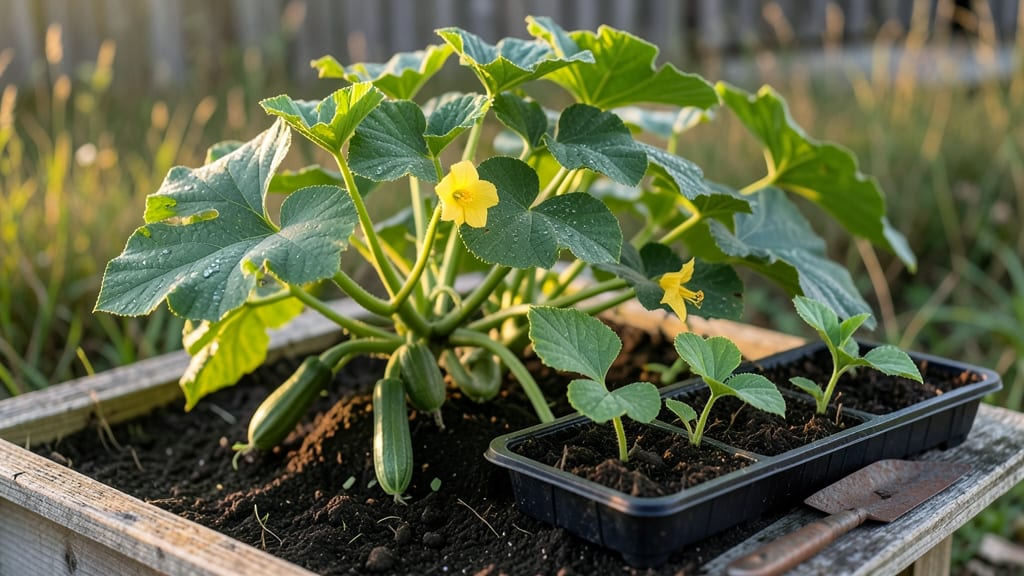
Planting squash in Central Florida requires timing it right to avoid the brutal summer heat or early cold snaps—because unlike northern gardens, you’ve got 365 frost-free days to work with, but the clock ticks fast.
Central Florida’s long, hot summers and unpredictable frost dates make timing your squash planting a game-changer—get it wrong, and you’ll lose your crop to blistering heat or early cold snaps.
But with the right heat-tolerant varieties and a precise frost-free timeline, you can harvest bumper crops of butternut, zucchini, and pumpkins all season long.
Most gardeners here plant their squash in March-April or July-August, but soil temperature is the real key. Wait until the ground hits at least 60°F—any earlier, and your seeds will rot in the damp heat.
The good news? Varieties like ‘Eight Ball’ zucchini and ‘Waltham Butternut’ thrive in this climate, giving you two harvest windows instead of one.
Below, I break down the exact planting windows for your zone, the best varieties for summer vs. fall, and how to stretch your harvest through October—without ending up with a jungle of vines and no fruit. Let’s get growing!
Central Florida squash planting timeline: frost dates & heat zones explained
Central Florida’s USDA Zones 8b-9a create a unique growing environment where frost is rare but summer heat can be brutal for squash. Unlike northern climates, you won’t need to wait for spring frost dates—your window opens year-round—but timing still matters to avoid heat stress or pest surges.
The key is planting when soil temperatures stay above 60°F and choosing varieties that thrive in 90°F+ conditions.
Most Central Florida gardeners focus on two main planting windows: spring (March-April) for early harvests and summer (July-August) to escape peak heat. However, microclimates in cities like Orlando (Zone 9a) allow for even earlier starts than rural areas near Gainesville (Zone 8b).
Understanding these nuances ensures your squash vines produce before squash vine borers or powdery mildew take over.
📅 Here’s the non-negotiable rule: Never plant squash when daytime highs exceed 95°F for more than 3 consecutive days. At those temperatures, even heat-tolerant varieties like Yellow Crookneck struggle to set fruit. The solution? Plan your schedule around humidity dips and afternoon shade—or opt for fall plantings when temps drop back to the 80s°F.
| Planting Window | Ideal Months | Soil Temp Requirement | Heat Risk Level | Best Varieties |
|---|---|---|---|---|
| Spring Planting | March–April | 60°F+ (consistent) | Low (pre-monsoon) | Butternut, Zucchini, Pumpkin |
| Summer Planting | July–August | 70°F+ (minimum) | High (90°F+ days) | Yellow Crookneck, Straightneck |
| Fall Planting | September–October | 65°F+ (evening temps) | Moderate (cooler nights) | Acorn, Delicata |
| Winter (Risky) | November–December | 60°F+ (unreliable) | Very High (pests/fungus) | None recommended |
For Orlando gardeners, aim to plant summer squash by mid-July to harvest before September humidity spikes. In Tampa’s coastal Zone 9a, you can push starts to late June thanks to ocean breezes that moderate temps.
Meanwhile, Gainesville’s higher elevation means waiting until early August to avoid early heatwaves that can scorch seedlings.
Pro tip: Use a soil thermometer to confirm readiness—squash roots need consistent warmth. If your soil hovers around 55°F in the morning, wait 1-2 weeks. Cold soil slows germination and invites damping-off disease.
I’ve lost entire trays of seedlings because I rushed planting in March’s unpredictable mornings—don’t make my mistake!
Another critical factor is day length. Squash flowers need 12+ hours of daylight to set fruit. In Central Florida, this means spring plantings (March-April) get ideal light conditions, while fall plantings after early October may struggle.
For a second harvest, try succession planting every 2 weeks in July-August to stagger maturity and avoid glut.
Don’t overlook mulching—black plastic mulch can raise soil temps by 10°F+, giving you a 2-week head start in spring. I’ve seen gardeners in Lake County use this trick to plant zucchini in February with near-perfect success. Just remember to remove mulch by late summer to prevent overheating.
Finally
Best heat-tolerant squash varieties for Central Florida’s summer heat
Central Florida’s 90°F+ summers can wilt many squash varieties, but the right choices thrive under intense heat. Butternut, zucchini, yellow crookneck, and pumpkin varieties all perform well when selected for disease resistance and vine vigor.
The key is choosing types that handle high humidity and squash vine borers—common pests in this region.
My top recommendations focus on compact vines for small spaces and high yields to offset Florida’s short growing seasons. For example, ‘Waltham Butternut’ produces sweet, nutty fruit even when temps hit 100°F, while ‘Eight Ball’ zucchini matures in just 45 days—perfect for quick harvests before summer’s end.
| Variety | Heat Tolerance | Vine Size | Days to Harvest | Best For |
|---|---|---|---|---|
| Waltham Butternut | Excellent (90°F+) | Medium (3-5 ft) | 80-90 days | Fall harvests, small spaces |
| Eight Ball Zucchini | Very High (95°F+) | Compact (2-3 ft) | 45-50 days | Containers, succession planting |
| Yellow Crookneck | Good (85°F+) | Vining (4-6 ft) | 50-60 days | Fresh eating, pest resistance |
| Cinderella Pumpkin | High (90°F+) | Bushy (3-4 ft) | 90-100 days | Fall decorations, storage |
For small-space gardens, I recommend ‘Eight Ball’ zucchini—its compact vines and fast maturity make it ideal for containers or raised beds. Plant seeds every 2-3 weeks from March to August for continuous harvests, even in Orlando’s heat.
This variety also resists powdery mildew, a common issue in Florida’s humid summers.
If you prefer winter squash, ‘Waltham Butternut’ stands out for its heat tolerance and sweet flavor. Unlike many butternuts, it doesn’t bolt (go to seed) in 95°F+ temps, making it perfect for July-August plantings.
Its medium vines fit well in 4’x8’ beds, and it stores for months after harvest.
For pumpkin lovers, ‘Cinderella’ is a top pick—its disease-resistant vines and small size (compared to giant varieties) make it manageable in Florida’s climate. Plant in late summer (August) for October harvests, just before cooling temps improve fruit set.
Avoid overwatering, as this variety is prone to blossom-end rot in soggy soil.
To maximize yields, pair your squash with marigolds to deter pests and use black plastic mulch to raise soil temps. Harvest regularly to encourage more production—overripe squash attracts pests and reduces future yields.
With these varieties, you’ll enjoy homegrown squash from spring to fall, even in Central Florida’s brutal heat! 🌱☀️