
Plants
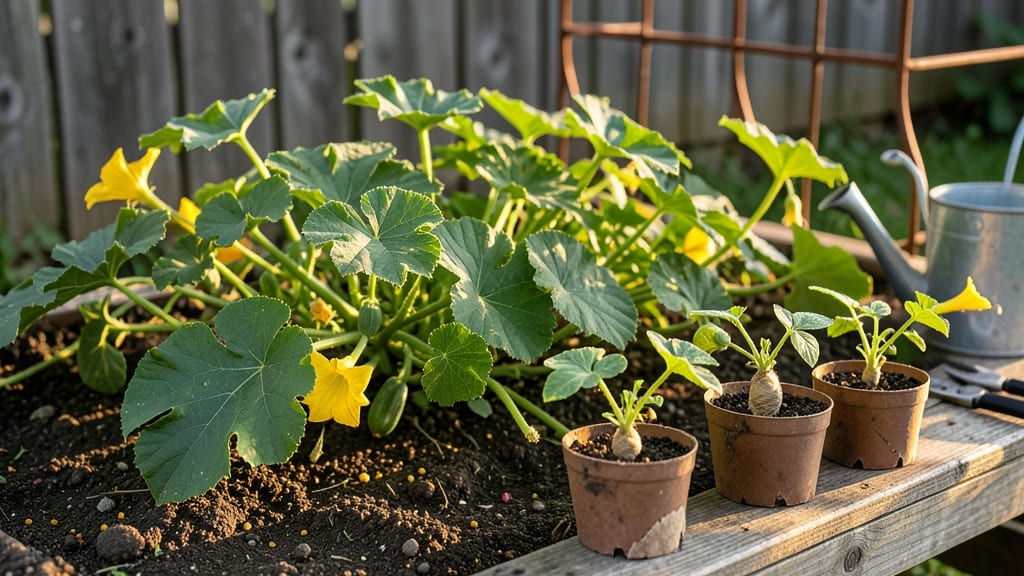
Planting squash in Arkansas means timing it right after the last frost—usually between mid-March and mid-May—to avoid chilly soil and maximize summer yields.
Arkansas gardeners know timing is everything—plant squash too early, and frost will wipe out your crop; too late, and summer heat may reduce yields. Mastering the perfect frost-free window ensures bumper harvests of butternut, zucchini, and pumpkins 🎃.
In zones 7a-8b, soil temperatures need to hit at least 60°F before seeds go in, and varieties like 'Black Beauty' zucchini or 'Waltham Butternut' thrive with warm, humid Arkansas summers.
Below, I break down the exact frost-free timeline for Little Rock, Fayetteville, and Jonesboro, plus soil prep tips and spacing tricks to keep your squash vines productive all season.
Arkansas squash planting calendar: frost dates by region
Arkansas gardeners face a delicate balance when planting squash varieties—too early risks frost damage, while late planting may miss the optimal growing window. With USDA zones 7a-8b, your timing depends on whether you're growing summer squash (like zucchini) or winter squash (like butternut).
The key is knowing your last frost dates and adjusting for your region's microclimate.
Most of Arkansas experiences its final spring frost between March 15 and April 15, but this shifts slightly depending on location. For example, northern Arkansas (Fayetteville) tends to have later frosts than central Arkansas (Little Rock) or southeastern Arkansas (Jonesboro).
Understanding these regional differences helps you choose between early varieties (like 'Early Golden Scallop') and late-season performers (like 'Waltham Butternut').
Here’s a quick breakdown of frost-free windows for Arkansas’s most common gardening hubs:
| Region | Last Frost Date | First Planting Window | Fall Planting Window | Notes |
|---|---|---|---|---|
| Little Rock (Zone 7b) | March 25 - April 5 | April 15 - May 10 | July 15 - August 10 | Humidity spikes in summer; choose disease-resistant varieties. |
| Fayetteville (Zone 7a) | April 5 - April 15 | April 25 - May 10 | July 1 - July 31 | Cooler nights; extend season with row covers. |
| Jonesboro (Zone 7b-8a) | March 15 - March 30 | March 30 - April 15 | June 15 - July 15 | Warmer microclimate; ideal for early starts. |
| El Dorado (Zone 8a) | March 1 - March 15 | March 15 - April 1 | May 15 - June 15 | Longer growing season; double-crop opportunities. |
For summer squash, aim to plant seeds 1-2 weeks after your last frost date. This gives plants time to establish roots before Arkansas’s humid heat sets in. For example, in Little Rock, planting by May 10 ensures your zucchini or yellow crookneck matures before summer’s peak.
Meanwhile, winter squash varieties like acorn or hubbard need a longer season, so start them 4-6 weeks earlier.
If you’re growing heirloom varieties or long-maturing squash, consider using black plastic mulch to warm the soil faster. This trick works especially well in Zone 7a areas like Fayetteville, where cooler soils delay germination. Test soil temperature with a soil thermometer—squash seeds won’t sprout reliably below 60°F.
Don’t overlook fall planting for a second harvest! In central Arkansas, you can sow winter squash seeds as late as August 15 for a September-October harvest.
Use row covers to protect young plants from early autumn frosts, which can occur as early as October 15 in northern regions. This strategy lets you enjoy butternut squash or pumpkins well into the fall.
Pro tip: Mark your calendar for Arkansas’s average first frost, which typically arrives between October 20 and November 15. If you’re growing vining varieties like spaghetti squash, give them at least 90 days to mature before the first frost.
For bush types, 50-60 days is usually sufficient.
Adjust your planting timeline based on weather forecasts and local microclimates. For instance, areas near rivers or lakes may experience later frosts due to moderating water temperatures.
Always err on the side of planting late rather than early—squash thrives in warm soil, and cool conditions can stunt growth or invite disease pressure.
With these region-specific frost dates in hand, you’re ready to plan a productive squash garden. Whether you’re a beginner gardener or a seasoned pro, nailing the planting window means fewer pests, healthier plants, and a bounty of homegrown squash all season long. 🎃
Direct-sown vs. transplant squash: Arkansas-specific tips
Deciding between direct-sown and transplanting squash in Arkansas depends on your timeline and local conditions. Direct-sowing is simpler and often more successful here because squash seedlings are sensitive to root disturbance. However, transplanting can give you a 4-6 week head start for fall harvests if done carefully.
Arkansas's 60°F+ soil temperature is critical for germination. Most gardeners wait until late April to early May for direct sowing, aligning with the last frost dates across the state. For transplanting, start seeds indoors 3-4 weeks before your planned outdoor move to avoid shocking delicate roots.
Direct-Sown Squash
- Hardier plants with stronger roots
- No transplant shock risk
- Simpler process for beginners
- Slower initial growth compared to transplants
- Longer time to harvest (4-6 weeks)
- Dependent on soil temps (must wait for 60°F+)
Transplant Squash
- Faster harvests (4-6 weeks earlier)
- Extended fall harvests possible
- Better for short seasons in Zone 7a
- Transplant shock can kill seedlings
- Requires careful hardening-off
- More expensive (seedlings cost more)
For fall harvests, transplanting is your best bet. Start seeds indoors in early July for a late-summer transplant and second harvest before Arkansas's first frost (typically mid-November). Use black plastic mulch to warm soil faster and extend the season by 2-3 weeks.
If you choose direct sowing, plant seeds 1 inch deep and 2-3 feet apart in hills. Arkansas's humid climate demands good air circulation, so avoid overcrowding. Water deeply at the base to prevent powdery mildew, a common issue in Arkansas's heat and humidity.
Pro tip: Use row covers for early transplants to protect from late spring frosts (common in northern Arkansas). Remove covers once plants are established to prevent overheating. For container growing, choose compact varieties like 'Eight Ball' zucchini and transplant when soil is consistently 65°F+.
Remember, Arkansas's summer heat can stress squash plants. Always water in the morning and provide afternoon shade during peak heat (July-August). With the right approach, you can enjoy fresh squash from June through October!