
Vegetables
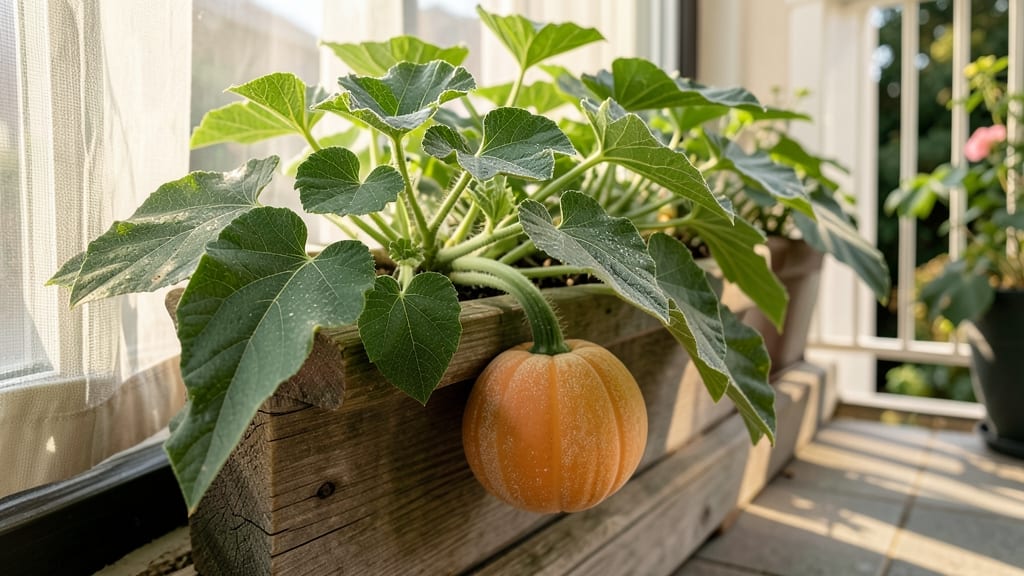
Winter squash adds vibrant color and texture to gardens while providing delicious harvests. These ten varieties showcase diverse shapes, hues, and growth habits perfect for both culinary use and stunning seasonal displays.
Acorn Squash for Rustic Garden Decor
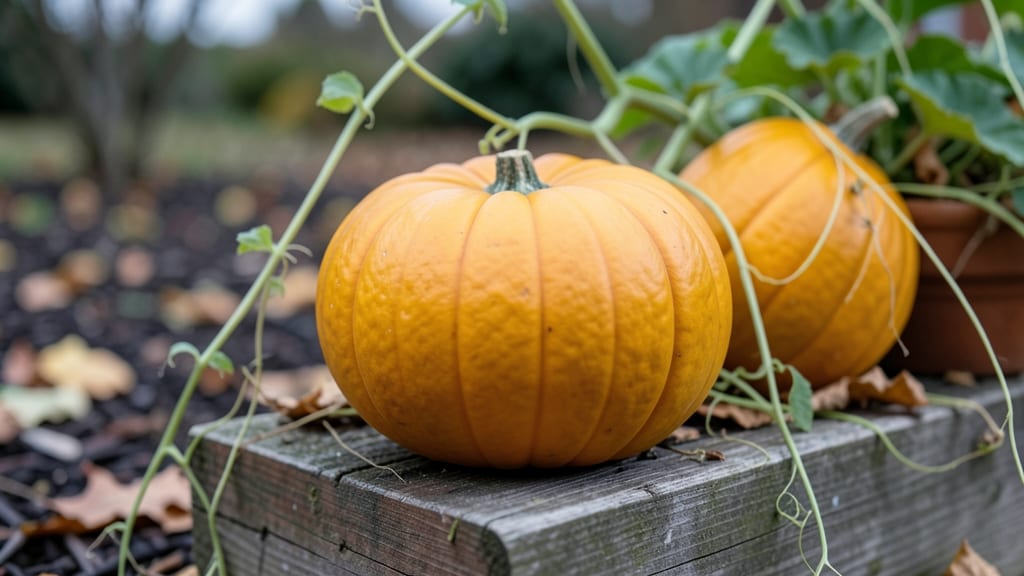
Transform your small garden into a cozy autumn retreat with acorn squash—this heirloom variety thrives in tight spaces while delivering a classic ribbed shape that doubles as rustic decor. Its compact vines (just 3-4 feet wide) make it perfect for containers or raised beds, and the golden fruit adds warm, textured accents to centerpieces or wreaths.
Plant seeds after the last frost in full sun to partial shade, spacing them 2-3 feet apart. The sweet, nutty flesh ripens in 85-100 days, and you’ll know it’s ready when the skin turns hard and dull. For extra flair, leave a few squash on the vine as natural decorations—just harvest them before frost hits.
This versatile squash is ideal for urban gardeners or anyone who loves seasonal charm. Use the fruit for roasting or save a few to dry for winter crafts. 🌟
Butternut Squash Vines for Tall Trellises
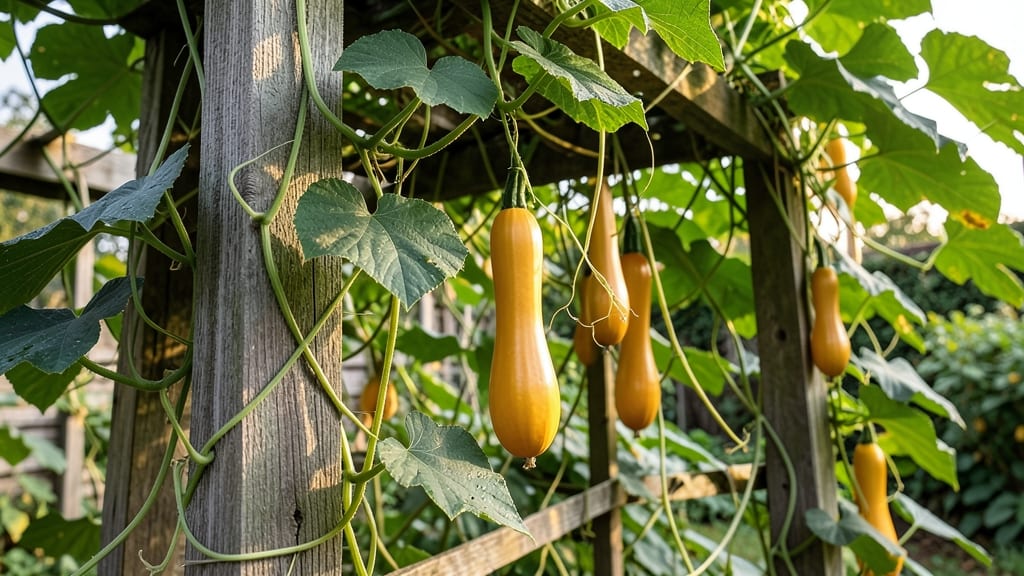
Transform your garden's vertical space with butternut squash—a dynamic climber that turns sprawling vines into a stunning, edible trellis display. Unlike its bushier cousins, this variety thrives when given room to stretch, producing long, tapered fruit that ripens to a golden hue perfect for autumn harvests.
Plant seeds in well-draining soil after the last frost, spacing them 2-3 feet apart for optimal vine growth. Provide a 6-foot-tall trellis to support the vines, which can sprawl up to 10 feet long. The mild, sweet flesh of butternut squash makes it ideal for soups, purees, and roasted dishes, while its cooler-climate tolerance (USDA zones 3-8) ensures reliable harvests even in chilly regions.
This variety is a game-changer for gardeners with limited space or those looking to add dramatic vertical interest to their beds. The elongated fruit also makes for striking centerpieces once harvested—ideal for both culinary and decorative use. 🌟
Spaghetti Squash with Unique Ribbed Texture
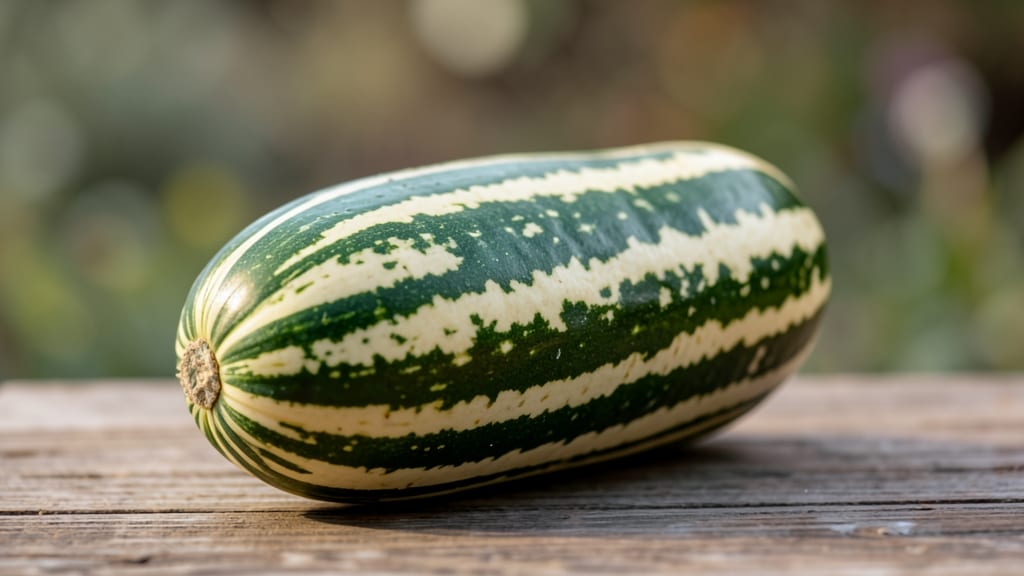
Want a squash that turns heads in your garden and on your plate? Spaghetti squash stands out with its striking green-and-white striped rind that looks like it belongs in a botanical illustration. The real magic happens inside, where the flesh separates into delicate, pasta-like strands when cooked—ideal for those seeking low-carb alternatives to traditional noodles.
This variety thrives in full sun (6-8 hours daily) and warm soil, making it perfect for late summer plantings in most climates. Its bushy growth habit (no sprawling vines) saves space, while the textured skin adds visual interest to garden beds. Harvest when the rind turns hard and the stem dries—then watch your guests marvel at the unique texture when you serve it.
Urban gardeners and health-conscious cooks will love this dual-purpose squash for its versatility and visual appeal. 🌱
Delicata Squash for Easy Peeling Variety
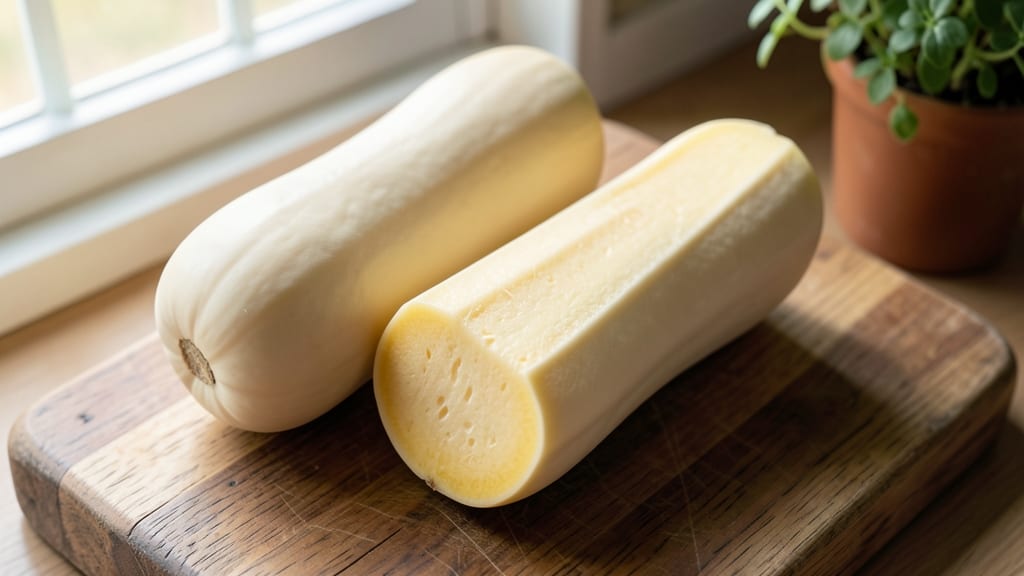
Tired of peeling thick, tough squash skins that turn your kitchen into a mess? Delicata squash solves that problem with its naturally thin, edible skin—no peeling required! This cylindrical variety grows quickly (ready in just 85-100 days) and thrives in cooler weather, making it perfect for fall harvests.
The mild, nutty flavor pairs beautifully with roasting or stuffing, while its striking green-and-white stripes add visual appeal to garden beds. Unlike other winter squash, Delicata’s skin softens when cooked, allowing you to enjoy every bite without extra prep. It’s also one of the few squash varieties that can be stored whole in a cool, dark place for months.
This is the ideal choice for first-time growers or anyone who wants low-maintenance squash with big flavor. Plus, its compact vines won’t take over your garden like larger varieties. 🌱
Hubbard Squash for Large Harvests
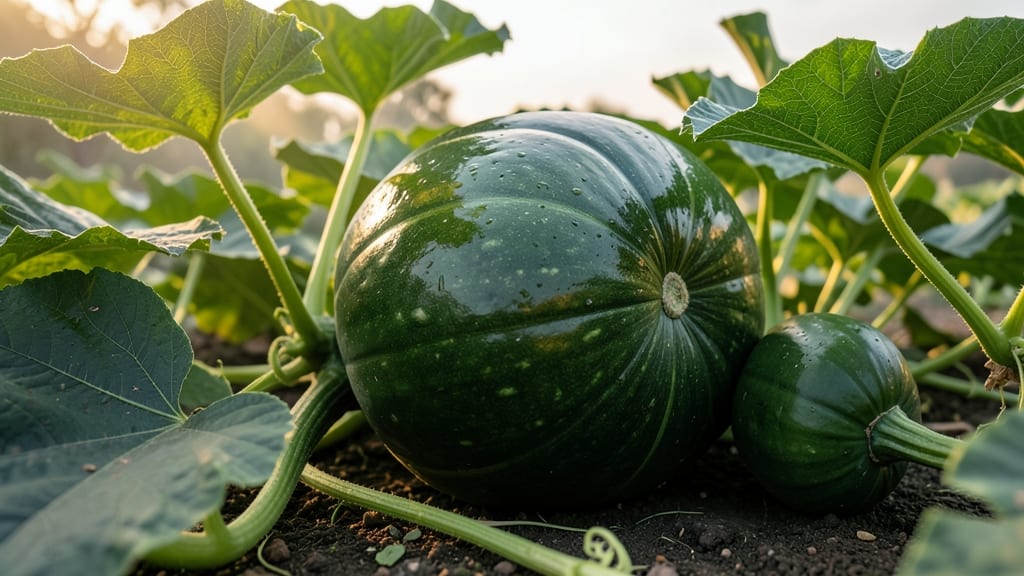
Want to make a bold statement in your garden while harvesting enough squash to share with the neighborhood? Hubbard squash delivers with its massive, glossy green fruits that can weigh up to 50 pounds each—think of them as nature’s giant pumpkins with a sweeter, denser interior.
These vining plants thrive in full sun (6-8 hours daily) and warm climates (USDA zones 4-10), producing fruits that ripen in 90-110 days. The key to success is giving them plenty of space—each plant needs about 50 square feet—and well-draining soil rich in compost. Their dense, dry flesh is perfect for baking into pies or breads, while the vibrant green skin adds dramatic flair to fall centerpieces.
Perfect for gardeners who love show-stopping displays and generous harvests, Hubbard squash is ideal for both culinary enthusiasts and those who want to create a stunning autumnal focal point. 🌟
Turban Squash for Exotic Garden Accents
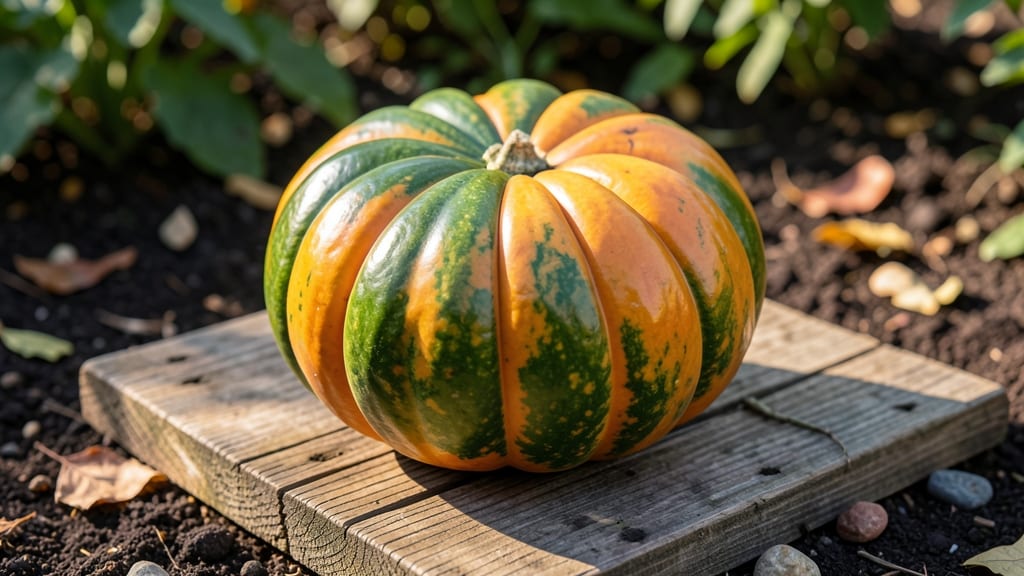
Transform your garden into a showstopper with turban squash, nature’s most dramatic winter squash variety. Its distinctive turban-like ridges and vibrant green-and-orange hues make it a conversation piece, while the sweet, nutty flesh doubles as a culinary gem.
This warm-season crop thrives in full sun (6-8 hours daily) and well-draining soil, producing 4-8 pound fruits by late fall. The skin’s unique texture holds up beautifully in arrangements, and the flesh—rich in vitamin A—can be roasted, pureed, or even candied. For best results, plant seeds after your last frost and harvest when the skin hardens.
Perfect for gardeners who love visual drama without sacrificing function, turban squash shines in both edible landscapes and harvest displays. 🌟
Kabocha Squash for Japanese-Inspired Gardens
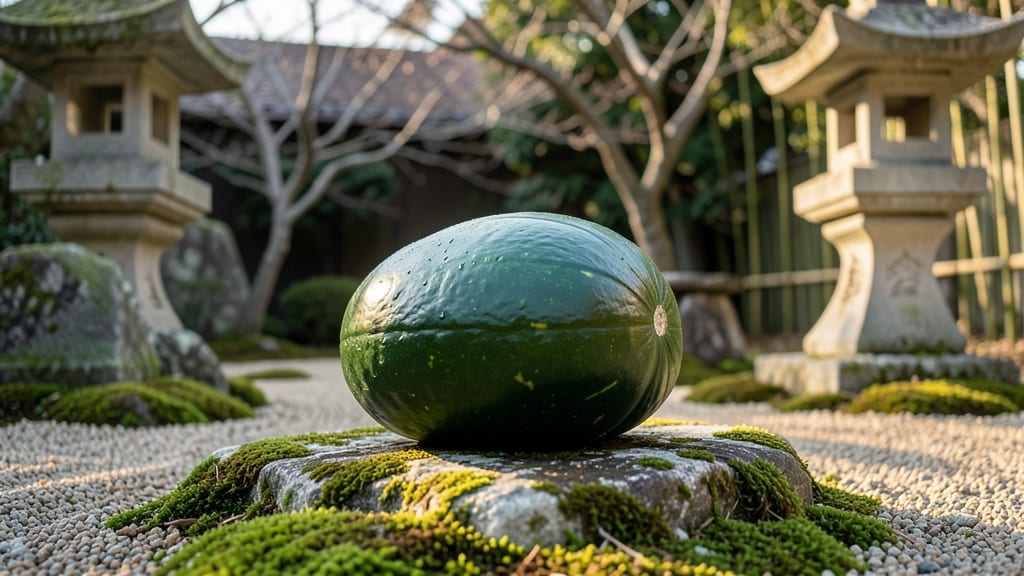
Transform your garden into a serene Japanese-inspired retreat with kabocha squash, the star of traditional satoimo cultivation. Its deep green, round shape and smooth skin create elegant focal points in rock gardens or beside stone lanterns, while its sweet, nutty flavor bridges garden and kitchen.
This variety thrives in cool autumn temperatures (60-75°F) and matures in 80-100 days, making it ideal for late-summer planting. The vines spread modestly (4-5 feet), so they won’t overpower small spaces. For extra authenticity, pair with bamboo stakes or moss-covered stones—kabocha’s glossy skin reflects light beautifully in minimalist designs.
Perfect for gardeners who love cultural themes, kabocha’s dual role as both ornamental centerpiece and culinary treasure makes it a standout choice. 🌿
Carnival Squash for Colorful Garden Beds
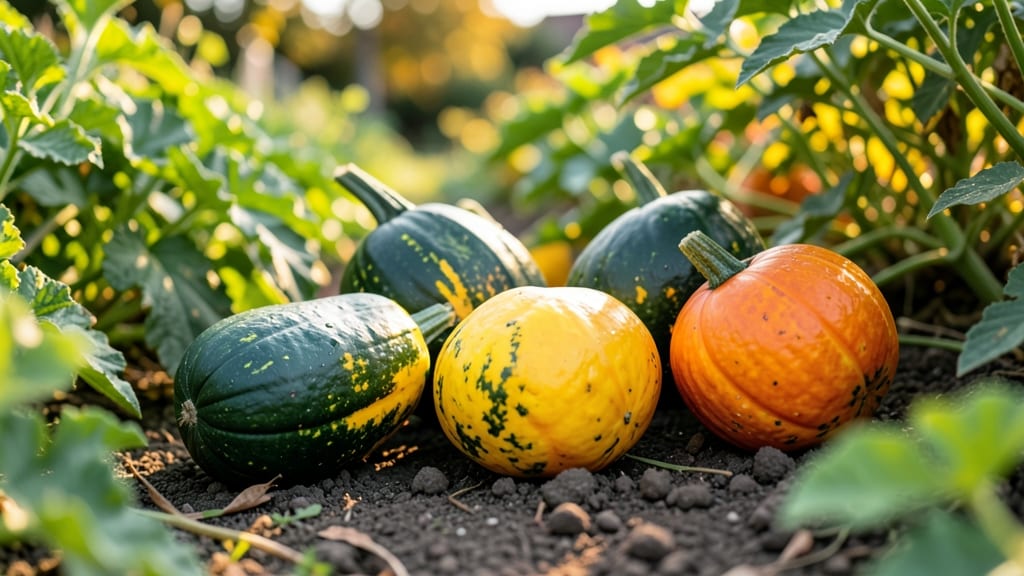
Looking to transform your garden borders into a fall color explosion without sacrificing edible harvests? Carnival squash is the answer—its tri-color skin of green, yellow, and orange creates a natural rainbow effect that brightens any garden bed.
This heirloom variety thrives in full sun (6-8 hours daily) and warm climates, producing 4-6 pound fruits with sweet, nutty flesh perfect for baking. The compact vines (3-5 feet wide) make it ideal for borders, and its high disease resistance means less fuss for you. Plant seeds directly after the last frost for a late-summer harvest that lasts through fall.
Perfect for gardeners who love visual impact but also want to enjoy homegrown produce, Carnival squash is especially great for small-space gardens or urban plots where dramatic color makes a difference. 🌟
Pink Banana Squash for Unusual Shapes
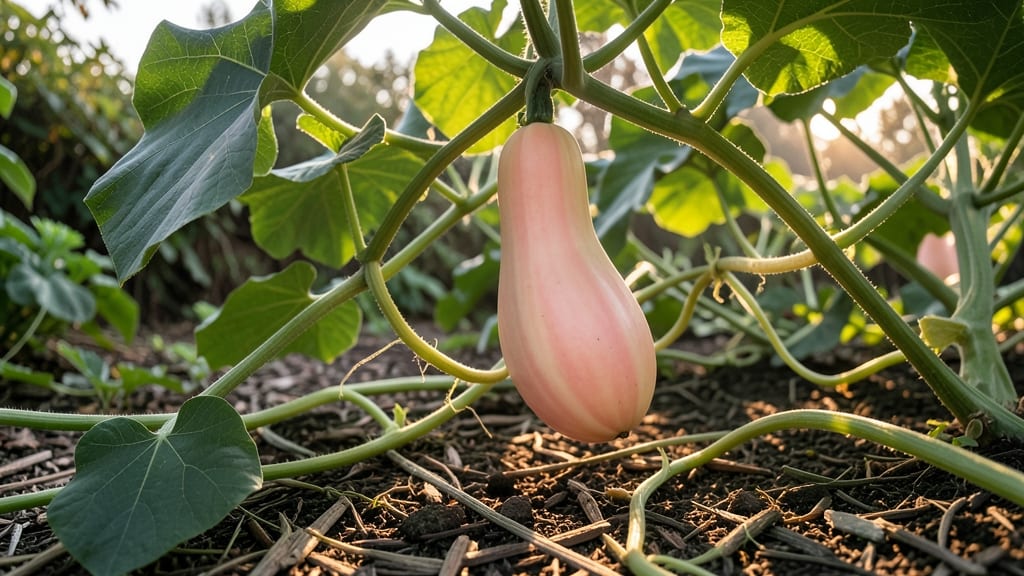
Add a whimsical twist to your garden with pink banana squash, a striking variety that defies expectations with its long, tapered shape and soft pinkish blush. Unlike traditional squash, this heirloom variety grows on sprawling vines (up to 10 feet) and produces fruit that resembles a banana—only in a delicate, rosy hue that catches the eye from across the garden.
Plant seeds in well-draining soil after the last frost, spacing them 3-4 feet apart to accommodate their sprawling growth. The squash thrives in full sun to partial shade and matures in about 90-100 days, with a mild, sweet flavor perfect for roasting or pureeing. Its unique shape also makes it a standout in autumn displays, whether left on the vine or arranged in decorative bowls.
This variety is a must-try for gardeners who love unexpected beauty and playful shapes. The pink blush adds a romantic touch to any garden bed, while its sweetness makes it a versatile addition to seasonal recipes. 🌻
Jarrahdale Squash for Compact Gardens

If you’ve ever dreamed of growing winter squash but worried about space, Jarrahdale squash is your answer. This Australian heirloom variety packs a high yield into a tiny footprint—perfect for balconies, patios, or even windowsills—while delivering sweet, nutty flesh that rivals larger varieties in flavor.
With vines that stay under 2 feet wide, Jarrahdale thrives in full sun (6+ hours daily) and well-draining soil, making it ideal for containers or small garden plots. Its smooth, glossy skin stays vibrant even after harvest, so you can display the squash as decor or use it in soups, pies, or roasted dishes. Plant seeds after the last frost for a harvest in 90-100 days, and enjoy the bonus of year-round storage—these squash keep for months in a cool, dark place.
Urban gardeners and small-space enthusiasts will love how Jarrahdale delivers big results without big space. Its dual-purpose appeal—edible and ornamental—makes it a standout for compact gardens. 🌱