
Picking
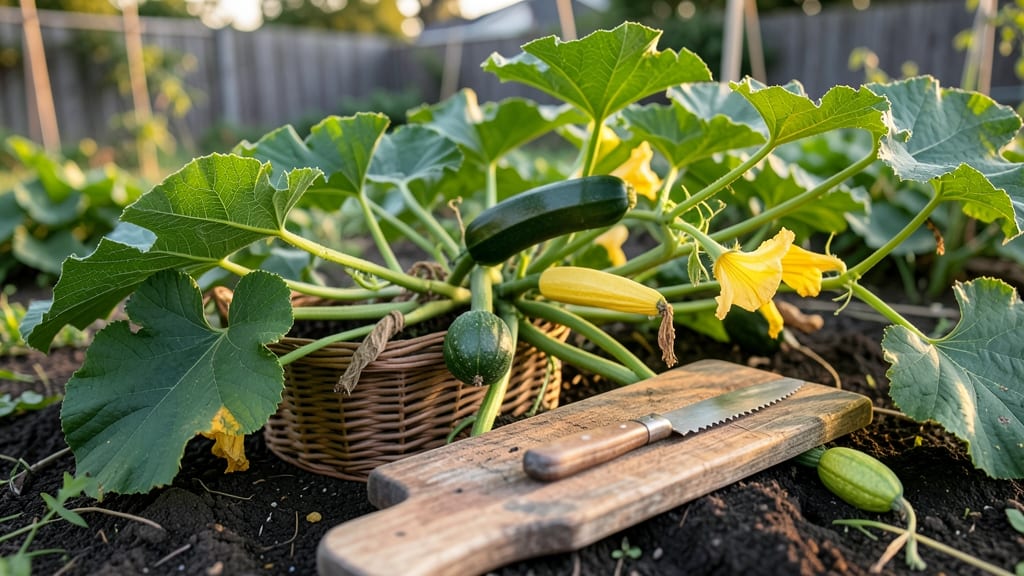
Picking summer squash 🎃 at the right time means the difference between tender, flavorful bites and tough, seedy disappointments.
Harvesting too early leaves you with underdeveloped fruit, while waiting too long turns your garden into a squash jungle. The key? A simple thumb-press test and knowing the ideal size for your variety.
Most summer squash—like zucchini and yellow varieties—are ready when they reach 6 to 8 inches long, with skin that yields slightly to pressure but doesn’t feel mushy. Morning harvests keep them fresher longer, and picking every 2 to 3 days prevents overgrowth.
Below, I’ll walk you through the exact ripeness cues, seasonal timing, and storage tips to keep your harvest flowing all summer long.
The thumb-press test: how to check summer squash ripeness
Harvesting summer squash at the perfect moment transforms your garden bounty into tender, flavorful meals. The thumb-press test is my go-to method for determining ripeness—it’s foolproof once you know what to look for.
Whether you’re growing zucchini, yellow squash, or green varieties, this simple technique saves you from tough, seedy disappointments.
Most gardeners focus only on size or color, but the thumb-press test reveals the true tenderness of the flesh. A firm but slightly yielding squash is ready to harvest, while one that’s too hard or mushy has passed its prime.
I’ve learned this the hard way—overripe squash turns into a watery, fibrous mess that’s nearly unusable.
Start by selecting a mature-looking squash that’s reached its variety’s ideal size range. For zucchini, aim for 6–8 inches in length, while yellow squash should be 4–6 inches. Gently press your thumb into the skin near the blossom end—this is where the squash was attached to the vine.
⚠️ Warning: Overripe Squash Pitfalls
Don’t wait too long! Summer squash continues ripening on the vine, and once it reaches 10+ inches, the flesh becomes tough and seedy. The thumb-press test should feel like pressing a ripe avocado—not a rock (underripe) or a sponge (overripe).
🌱 Pro Tip: Harvest every 2–3 days during peak production to encourage more fruit and prevent overgrowth.
The ideal squash should yield slightly under your thumb but not dent deeply. Think of it like pressing a ripe peach—just enough give to know it’s ready, but still firm enough to handle.
If the skin springs back immediately, it’s not quite there yet. If it leaves a noticeable indentation, you’ve missed your window.
Color is another key indicator, but it varies by variety. Green zucchini should have a deep, even hue without yellowing. Yellow squash should be uniformly golden, while white varieties like pattypan should be creamy with no green tinges.
Remember, color alone isn’t enough—always combine it with the thumb-press test for accuracy.
One common mistake I see is harvesting based on stem color alone. While a yellow or white blossom end (for yellow/white varieties) often signals readiness, don’t rely on it exclusively.
Some squash varieties develop these colors even when underripe. Always pair visual cues with the thumb-press test for the best results.
For container gardeners, timing is even more critical since space is limited. Overripe squash can crowd roots and reduce yields. I recommend checking your thumb-press test daily during peak production months (June–August in most climates).
A quick glance and gentle press can save your entire harvest from going to waste.
If you’re unsure whether a squash is ready, err on the side of harvesting sooner. Underripe squash can still be used (though less flavorful), while overripe squash often ends up in the compost.
Store freshly harvested squash in a cool, dry place for up to a week, but aim to use it within 3–5 days for peak freshness.
Practice makes perfect with the thumb-press test. The more you harvest, the quicker you’ll recognize the perfect texture and firmness. Soon, you’ll be picking squash at its peak without even thinking about it—just like second nature. Happy harvesting!
Summer squash size guide: what’s too big or too small?
Summer squash grows fast, but size matters more than you might think. Harvesting at the right moment keeps the flesh tender and flavor sweet. For zucchini, aim for 6–8 inches—any longer, and the skin toughens. Yellow squash like pattypan or straightneck should be 4–6 inches long when picked.
Overlooking these sizes means bitter, seedy produce that’s better suited for compost than your kitchen.
I’ve learned the hard way that skipping harvests leads to overgrown squash. A 12-inch zucchini is still edible, but it’s rock-hard and packed with seeds. The key is consistency—check your plants every 2–3 days during peak production.
This prevents the plant from redirecting energy to seed development, ensuring more tender, flavorful squash throughout the season.
Here’s a quick reference to help you gauge when to pick:
| Variety | Ideal Size | Harvest Window | What to Watch For |
|---|---|---|---|
| Zucchini | 6–8 inches | 50–55 days | Dark green skin, tender when pressed |
| Yellow Squash (Pattypan) | 4–6 inches | 45–50 days | Bright yellow, firm but not hard |
| Straightneck Yellow Squash | 5–7 inches | 50–55 days | Smooth skin, slight give when squeezed |
| Crookneck Squash | 4–6 inches | 48–52 days | Curved neck, tender rind |
Adjust your harvesting frequency based on the variety. Zucchini plants can produce 1–2 squash per week if you stay on top of it.
If you notice flowers but no fruit, hand-pollinate by gently rubbing a paintbrush or cotton swab on the male flowers and then the female flowers (the ones with tiny squash at the base). This trick boosts yields, especially in cooler or rainy weather.
Overgrown squash isn’t just tough—it signals the plant is stressed. If you miss the window, the flavor declines, and the plant may stop producing. I’ve seen gardeners give up after a few overripe squash, but with daily checks and proper sizing, you’ll enjoy a steady harvest all season.
Share the bounty with neighbors or freeze extras to avoid waste.
Pro tip: Use a sharp knife or pruners to cut squash, leaving a 1-inch stem attached. This prevents bruising and encourages more fruit to develop. Store harvested squash in a cool, dry place for up to a week, or refrigerate for longer storage.
The fresher you eat it, the sweeter it tastes!