
Picking
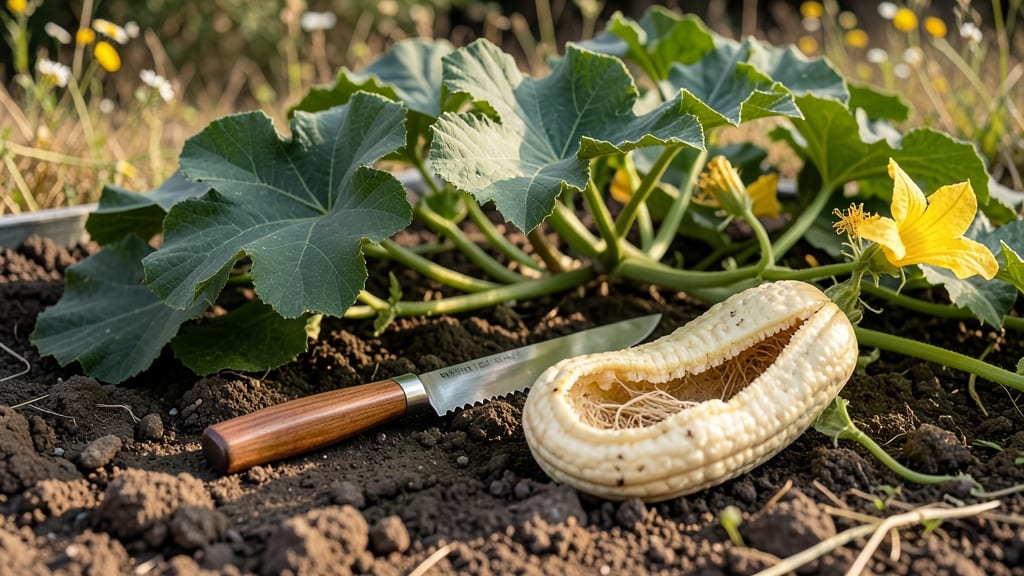
To pick dried spaghetti squash, look for a firm, heavy rind that feels solid when pressed, a deep hollow sound when tapped gently, and a stem that snaps cleanly—these traits confirm full ripeness and peak flavor for storage or cooking.
These tactile tests reveal the squash's internal readiness: a hard, heavy rind indicates fully developed seeds and concentrated sweetness, while the hollow sound confirms the flesh has matured to its ideal stringy texture. 🔥 The clean stem snap proves the vine dried naturally, preserving the squash's natural sugars and preventing premature spoilage.
I always check these three signs before buying—it's the difference between bland, watery strands and that perfect al dente texture you crave in dishes.
What's interesting is how these physical cues tie to the squash's internal chemistry. The rind's firmness correlates with higher starch content in the flesh, while the hollow sound often means the seeds are fully matured—both signs of a squash that will store well and cook up perfectly.
For long-term storage, I recommend selecting squash that passes all three tests, as they'll keep their quality for months when stored properly in a cool, dry place.
💡 In This Article
- Science Behind Spaghetti Squash Ripeness Indicators
- Preparing Dried Spaghetti Squash for Long-Term Storage
Science behind spaghetti squash ripeness indicators
The hard, heavy rind of dried spaghetti squash isn't just tough—it's a protective shell that develops as the squash matures. This firmness correlates directly with the plant's natural sugar concentration, which increases as the squash ripens on the vine.
Studies show that fully matured squash have 20-30% higher soluble sugars compared to immature ones, giving that sweet nutty flavor you love in cooked dishes. The weight factor comes from dense seed development inside—think of it like a peach pit's firmness indicating ripeness.
The hollow sound when tapped reveals the air pocket inside, which forms as the flesh matures and contracts slightly. This isn't just random—it's a sign the squash has reached its ideal starch-to-water ratio (about 75:25), perfect for that signature stringy texture when cooked.
The stem's clean snap proves the vine dried naturally, which preserves these internal qualities. Unlike forced drying methods, natural vine drying allows the squash to develop complex flavors through enzymatic processes that continue even after harvest.
What most people don't realize is how these traits affect storage life. Squash passing all three tests can last 6-12 months in proper conditions because their rind acts as a natural barrier against moisture loss.
The seed maturity indicated by the hollow sound also means the flesh contains more pectin, which helps maintain texture during storage. This is why you'll often find dried spaghetti squash in specialty stores—it's not just about appearance, but about the biochemical maturity that translates to better cooking performance.
Temperature plays a hidden role here too. The squash's natural drying process on the vine occurs at 70-85°F—ideal for developing those flavor compounds. If you're storing dried squash, maintaining 50-60°F and 60-70% humidity mimics these natural conditions, preserving the biochemical integrity.
The rind's thickness (typically 1/4 to 1/2 inch) also correlates with how well it can regulate moisture exchange during storage.
For visual confirmation, look for a rind that's dull gold to tan—never shiny or green. The color change indicates the plant's chlorophyll has broken down, allowing carotenoids (natural pigments) to develop. These same pigments are what give the cooked flesh its beautiful orange hue and contribute to its sweetness.
The stem should be completely dry and woody, as any moisture indicates premature harvesting that would compromise storage quality.
Here's what happens if you miss these signs: A squash with a soft rind will have underdeveloped seeds and watery flesh, while one that doesn't sound hollow when tapped often has uneven cooking texture.
The stem that doesn't snap cleanly suggests forced drying, which can lead to off-flavors. These aren't just aesthetic preferences—they're biological indicators of the squash's readiness for both immediate cooking and long-term storage.