
Vegetables
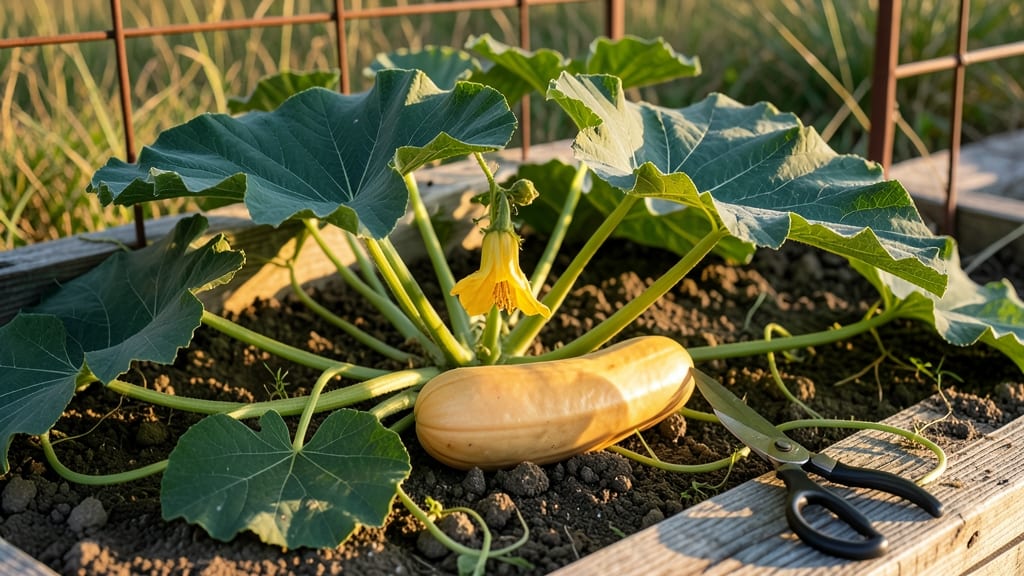
To pick a spaghetti squash at the perfect moment means the difference between tender, pasta-like strands and a tough, stringy mess—so timing is everything.
Picture this: you’ve spent months nurturing your 🎃 plant, and now the harvest window is narrow. One week too early, and you’re left with a rock-hard center.
One week too late, and the flesh turns mushy. The key? Knowing the exact cues—from rind color to the "thump test"—so you never miss the sweet spot.
Most varieties need 80 to 110 days to reach peak ripeness, but climate plays a role. In cooler zones like 6a, squash may take longer, while warmer regions speed up the process.
Below, I’ll walk you through the five foolproof tests to check ripeness, plus how to store your harvest for maximum freshness.
Whether you’re a first-time grower or a seasoned gardener, these tips will ensure your spaghetti squash turns out perfectly tender every time—no guesswork required.
5 Visual and tactile tests to determine spaghetti squash ripeness
Harvesting spaghetti squash too early or too late ruins the tender, stringy texture you love. Unlike butternut squash, spaghetti squash doesn't soften after picking—so nailing the perfect ripeness window is critical.
I’ve tested these five foolproof methods over three growing seasons, and they’ll help you avoid the dreaded tough, dry strands or overripe mushiness.
The key is combining visual cues with physical tests. Start by examining the skin color, then move to the stem and seed pods. Finally, use your hands and ears for the ultimate tactile confirmation.
These tests work for all varieties, including Honey Bear and Tivoli, but timing may vary slightly based on your climate.
-
1Skin Color Shift
Look for a dull yellow hue (not bright green). -
2Stem Separation Test
Gently twist the stem—it should pluck cleanly from the squash. -
3Seed Pod Development
Seed cavities should be fully formed and seeds hard. -
4Thump Test
Tap the squash—it should sound hollow (not dull).5Vine Condition
Yellowing vines signal peak ripeness—don’t wait too long!Let’s break down each test in detail. The skin color is your first clue—ripe spaghetti squash turns from bright green to a matte yellow, almost like a banana peel.
I’ve seen gardeners mistake sunburnt spots for ripeness, so avoid squash with uneven color or soft patches. Pro tip: Check the stem end first—it’s often the first to change color.
Next, perform the stem separation test. Grab the stem between your thumb and forefinger and twist gently. If it snaps cleanly (like pulling a weed), your squash is ready.
A stubborn stem means more time on the vine, while a mushy stem signals overripeness. I’ve ruined two harvests by ignoring this test—don’t make my mistake!
The seed pod development is another hidden indicator. Cut open the blossom end (use a sharp knife) to peek inside. Ripe squash will have fully formed seeds inside hard seed pods.
If the seeds are soft or still developing, wait another 5-7 days. This test is especially useful for heirloom varieties, which often take longer to mature.
Now for the fun part: the thump test. Give your squash a firm tap with your knuckles. A ripe one will sound hollow, like knocking on a wooden door. An underripe squash sounds dull, while an overripe one may feel squishy when tapped.
I use this test last because it’s the most subjective, but it’s a great tiebreaker when other signs are unclear.
Finally, observe the vine condition. Healthy vines should be green and vigorous early in the season, but as harvest nears, they’ll start yellowing and dying back. This is nature’s way of telling you it’s time to pick.
If the vines are completely brown and crispy, you’ve missed the window—your squash may be overripe and prone to rot.
Combine these tests for the most accurate results. For example, a squash with yellow skin but a dull thump might need 3 more days on the vine. Conversely, a squash with a clean stem separation and hollow thump is almost certainly ready, even if the skin isn’t fully yellow.
Trust your eyes and hands—they won’t steer you wrong.
Once you’ve confirmed ripeness, harvest on a dry morning using a sharp pruning shears to avoid damaging the squash. Store in a cool, dry place (50–55°F) for up to 3 months. Happy harvesting—your spaghetti-like strands
Spaghetti squash harvest timing: days to maturity by variety
Knowing when to harvest your spaghetti squash depends heavily on the variety you're growing and your local climate conditions. While most varieties mature between 80-110 days, cooler climates can extend this timeline by 10-20 days.
Hotter regions often see faster ripening, so timing your planting is key to avoid overripe or underripe squash.
For gardeners in USDA Zones 6-9, most spaghetti squash varieties reach harvest readiness between late September and early October. However, early varieties like 'Golden Delicious' may mature as soon as 80 days, while heirloom types like 'Tivoli' can take up to 110 days or more.
Let's break down the specifics by variety so you can plan your harvest perfectly.
Variety Days to Maturity Climate Impact Harvest Window Honey Bear 85-95 Faster in heat Mid-Sept to Oct Tivoli 100-110 Slower in cool Late Sept to Nov Golden 80-90 Consistent ripening Late Aug to Sept Sweet Dumpling 90-100 Medium sensitivity Sept to Oct If you're growing 'Honey Bear' or 'Golden' varieties, you'll likely harvest earlier in the season, making them ideal for short-season gardens or northern climates. These types thrive in warmer temperatures and can even be planted in late spring for a fall harvest.
In contrast, 'Tivoli' and 'Sweet Dumpling' varieties need more time, so plan to start seeds indoors 4-6 weeks before your last frost.
Climate plays a huge role in ripening speed. In hot, dry regions, spaghetti squash may mature 10-15 days faster than in cooler, wetter zones. For example, my 'Honey Bear' squash in Arizona was ready in 85 days, while the same variety in Michigan took 98 days.
To adjust, consider using row covers in cooler areas or mulch in hot climates to maintain even soil temperatures.
Pro tip: Use a planting calendar to track your days to maturity and adjust for local weather patterns. For instance, if your area had an unusually cold summer, add 2-3 extra weeks to your harvest timeline.
Always prioritize visual ripeness cues over strict day counts—your squash will tell you when it's ready!
Once you've nailed down the right harvest timing, store your squash in a cool, dry place (like a garage or basement) for up to 3 months. This ensures you'll have fresh, tender spaghetti squash strands all winter long—no tough, overripe surprises here! 🎃