
Vegetables
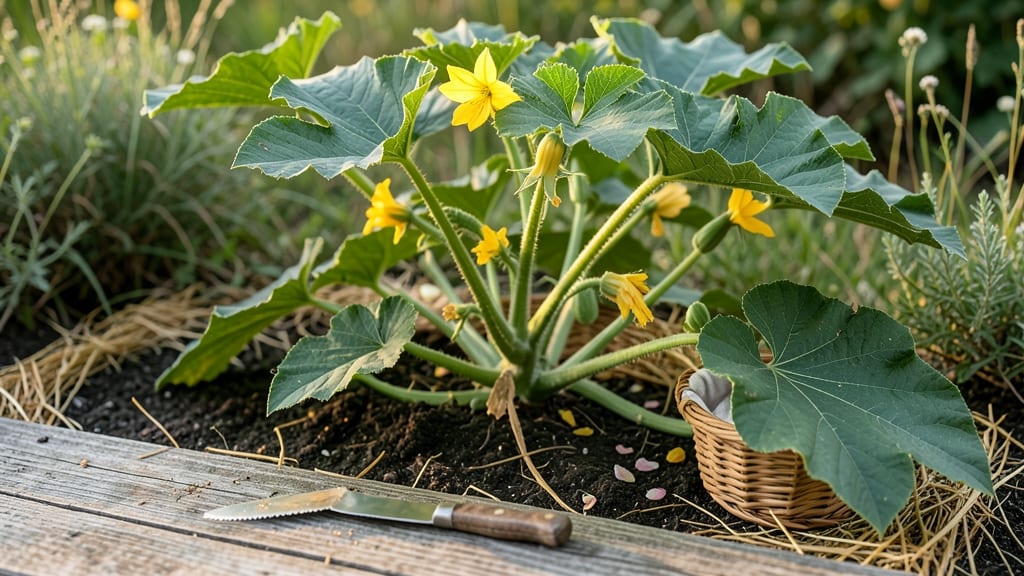
Picking squash blossoms at the right time ensures you get the best flavor and keep your 🎃 plants producing fruit.
Those delicate blooms open in the morning but close by afternoon—wait too long, and you’ll miss the sweetest harvest. Worse, overpicking can stress your plants and reduce fruit production, leaving you with fewer squashes than you’d hoped.
Timing matters more than you might think. A quick check of the petals, stem, and weather can tell you exactly when to snip. Below, I’ll break down the best times to pick, how to spot perfect blossoms, and what to do if you’ve already missed the window.
You’ll learn to recognize the ideal moment, avoid common mistakes, and even troubleshoot when things go wrong. Let’s make sure your garden stays productive and your table stays full of delicious blossoms.
Optimal squash blossom harvesting times by variety and weather conditions
Timing your squash blossom harvest correctly ensures peak flavor and maintains your plant's fruit production. Different varieties—like zucchini, yellow squash, or pumpkins—have unique needs, and weather plays a huge role.
I’ve grown all three for years, and I’ll share the exact windows that work best for me.
Morning is almost always the best time to harvest squash blossoms because dew has dried and the flowers are freshest. However, if you miss morning, late afternoon (before 4 PM) is your second chance.
Avoid picking after dark—blossoms wilt faster in cool evening air, and you risk damaging the plant.
Temperature matters too. Ideal harvesting temps range between 65°F and 85°F (18°C–29°C). Below 60°F (15°C), blossoms become leathery and bitter, while above 90°F (32°C), they wilt within hours. Humidity also affects quality—high humidity (above 70%) can lead to moldy blossoms, so dry conditions are key.
| Variety | Best Harvest Time | Ideal Temp Range | Humidity Tip | Blossom Size |
|---|---|---|---|---|
| Zucchini | Morning (6–9 AM) | 65°F–80°F (18°C–27°C) | Keep under 65% humidity | 3–4 inches wide |
| Yellow Squash | Late Morning (9–11 AM) | 70°F–85°F (21°C–29°C) | Avoid rain before picking | 4–5 inches wide |
| Pumpkin | Early Morning (5–7 AM) | 60°F–75°F (15°C–24°C) | Dry conditions preferred | 5–6 inches wide |
For zucchini blossoms, I always pick within 24 hours of opening to keep them tender. Their petals should be fully unfurled but still bright yellow or white. If you notice any browning at the edges, that’s a sign the blossom is overripe and past its prime.
Yellow squash blossoms, like 'Golden Zucchini', thrive in slightly warmer temps and can handle a 1–2 hour delay if morning harvest isn’t possible. Their petals tend to stay vibrant longer, but they still prefer dry mornings to prevent moisture buildup that leads to rotten stems.
Pumpkin blossoms are the most delicate of the bunch. Their large size makes them prone to wind damage, so I harvest them before noon to avoid afternoon storms. Look for fully opened petals with a sweet fragrance—that’s your cue they’re ready.
If you’re growing bush varieties like 'Eight Ball' zucchini, you’ll get more blossoms per plant, so prioritize morning picks to avoid overwhelming the vine. For vining types like 'Jack Be Little' pumpkins, spread out your harvests to encourage continuous blooming.
One pro tip I swear by: Use clean, sharp scissors to snip blossoms just above a leaf node. This prevents damage to the vine and encourages more blooms to form. Never pull blossoms by hand—you’ll risk tearing the stem and stressing the plant.
Weather disruptions happen, so always check the forecast before heading out. If rain is predicted, harvest early to avoid soggy blossoms. And if temps drop below 55°F (13°C), wait until the next morning—cold nights make blossoms tough and bitter.
Remember, every blossom you pick is a potential fruit your plant could produce. Balance your harvests: leave 2–3 blossoms per vine to pollinate and set fruit, while picking the rest for culinary use. This keeps your squash plants productive and happy all season long. 🌱
How to identify perfectly ripe squash blossoms before picking
Picking squash blossoms too early means bitter flavors, while waiting too long sacrifices both taste and pollination potential. The key lies in recognizing three critical cues: petal color, size, and fragrance.
These clues help you decide whether to harvest for cooking or leave for pollination—critical for your squash fruit harvest.
First, focus on the petal color. Most squash blossoms start pale yellow or cream-colored but deepen to a bright golden hue when fully ripe. For dark varieties like zucchini, look for petals with greenish edges that fade as they mature.
This color shift signals peak flavor and optimal harvest timing.
Next, check the blossom size. A perfectly ripe squash blossom should measure 3-5 inches across, with petals fully unfurled but not wilted. Smaller blossoms (under 2 inches) are too young, while oversized or drooping ones may be past their prime.
- 1. Petal Color: Bright golden-yellow (zucchini) or deep cream (pumpkin) with no green edges.
- 2. Size Threshold: 3-5 inches in diameter—fully unfurled but firm petals.
- 3. Fragrance: Sweet, honey-like scent when crushed. No ammonia or sour smells.
- 4. Stem Check: Woody texture at base (not soft or mushy).
- 5. Pollination Sign: If stigma is dusted with pollen, leave it for fruit production.
Don’t overlook the fragrance test. A ripe squash blossom emits a subtle sweetness, almost like honey or vanilla. If you detect ammonia or sour notes, the blossom is overripe or damaged. This scent peaks at the ideal harvest window—just before petals begin to wilt.
Finally, consider the pollination priority. If the blossom’s stigma (center part) is dusted with yellow pollen, leave it on the vine to develop fruit. For male blossoms (no stigma), harvest immediately—they’re perfect for frying or stuffing. Use a gentle twist to detach stems without damaging the vine.
Timing matters most in the morning. Blossoms are coolest and crispest between 6-9 AM, ensuring peak flavor. Avoid picking after midday heat, as petals wilt faster, reducing shelf life and taste.