
Vegetables
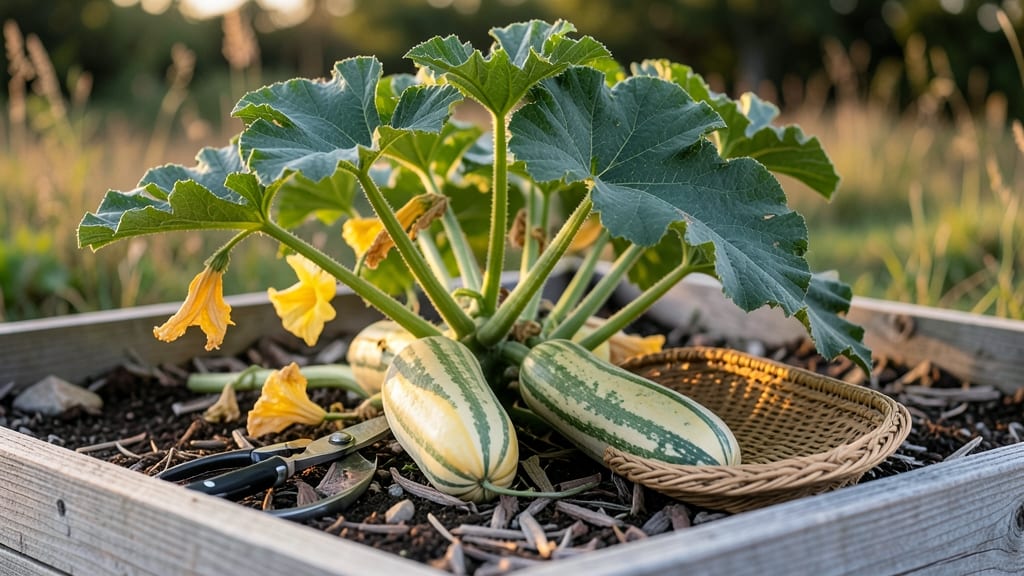
Picking delicata squash at the right time ensures sweet, tender flesh—not tough, stringy disappointment—so timing matters more than you might think.
Harvesting too early means underripe squash with bland flavor, while waiting too long turns them woody and mealy. The key? Watching for three visual cues—skin color, stem changes, and seed readiness—that tell you exactly when to grab your pruners.
In Zone 6a, most varieties reach peak ripeness 80–100 days after planting, but environmental factors like heat and daylight can shift that window. Below, I’ll walk you through the foolproof way to test readiness, plus how to store your harvest for maximum freshness.
Whether you’re a first-time grower or a seasoned gardener, these tricks will help you pick at the perfect moment—every time.
How to identify delicata squash ripeness through skin color & size
Delicata squash is one of those sweet, tender winter squashes that rewards patience with perfect harvest timing. Unlike butternut or acorn squash, delicatas are ready to pick when their skin shifts from green to cream or pale yellow.
This color change signals the squash has reached peak sweetness and texture—if you wait too long, the skin toughens and the flesh becomes stringy.
But color isn’t the only clue. The size benchmark for delicata squash is 8–12 inches long and 4–6 inches wide. Oversized squash often means the flesh is woody, while undersized ones may still be developing their signature sweetness.
Combine these visual cues with the stem drying trick to avoid common mistakes like picking too early (tender, watery flesh) or too late (tough, seedy interior).
Pro Tip: Check the stem attachment point—when it dries slightly and snaps easily when bent, that’s your cue to harvest. This dryness indicates the squash has stopped growing and is ready to be picked. Ignoring this sign often leads to overripe squash that’s less flavorful and harder to store.
| Ripeness Indicator | Details | Action |
|---|---|---|
| Skin Color | Shifts from green to cream/yellow with dull finish | Harvest when 75%+ yellow |
| Size | 8–12 inches long, 4–6 inches wide | Avoid picking before 8 inches—flesh may be underdeveloped |
| Stem | Dries slightly and snaps when bent | Use pruners or knife to cut stem (don’t pull) |
| Texture | Hard rind (not soft or spongy) | Press gently—no denting means it’s ready |
| Weight | Feels heavy for size (dense flesh) | Lift squash—heavy = ripe |
One of the biggest mistakes gardeners make is relying solely on skin color. Delicata squash can develop a yellowish hue even when underripe, especially in hot, dry climates. To confirm ripeness, combine color with the stem test and size check.
For example, a 10-inch squash with 50% yellow skin might still need a week to fully mature, while an 8-inch squash with 75% yellow could be ready if the stem is dry.
Another trick is to check the leaves near the fruit. When they start turning yellow or brown, it’s a sign the squash is nearing harvest.
However, don’t wait until the leaves fully die back—this often means the squash has overripened, leading to a woody texture and bitter taste. Timing is everything, and delicatas are best harvested before the first frost in your region.
If you’re growing delicata squash in containers or raised beds, keep an eye on the growth rate. Container-grown squash often mature faster due to warmer soil temperatures, so monitor them daily after 70 days from planting.
In ground plantings may take 10–14 days longer to reach harvest readiness, so adjust your expectations based on your growing conditions.
Once you’ve confirmed ripeness, use a sharp knife or pruners to cut the squash from the vine, leaving a 1-inch stem attachment. This prevents damage to the plant and helps the squash cure properly after harvest.
After picking, let the squash cure in a dry, shady spot for 7–10 days to harden the skin further, which improves storage life.
For those in USDA Zone 6a or warmer, delicata squash typically reaches harvest time between late August and early October. In cooler zones, aim to harvest by mid-September to avoid frost damage.
Keep an eye on forecasted temperatures—a sudden drop below 50°F (10°C) can stunt ripening, so prioritize picking if the weather turns chilly.
Remember, the earlier you harvest, the softer and sweeter the flesh will be. Delicata squash is a short-season crop, so don’t wait too long or risk missing your window. With these visual cues and a little patience, you’ll enjoy perfectly ripe delicata squash every harvest season. 🎃
The seed test: a pro gardener’s trick to confirm perfect harvest timing
Even when your delicata squash shows the classic yellow-orange stripes, relying solely on color can lead to mistakes. That’s where the seed test comes in—a foolproof method used by gardeners to confirm perfect ripeness.
This simple trick reveals when the seeds are fully formed but still soft, ensuring you harvest at peak tenderness.
The seed test works because delicata squash reaches its sweetest flavor when the seeds inside are mature but not hard. Unlike other squash varieties, delicatas have edible skin and seeds, making this test especially useful.
It’s more reliable than color alone because environmental factors like uneven sunlight can cause inconsistent skin changes.
- 1.
- 2.
- 3.
- 4.
- 5.
Select a delicata squash with yellow-orange stripes and a dull, hard rind. Avoid shiny or overly soft spots.
Use a sharp knife to slice the squash lengthwise (about ½ inch thick). Check the seed cavity for fullness.
Take a seed from the center and press it between your thumb and forefinger. If it’s soft but not mushy, the squash is ready.
The flesh near the seeds should be firm but not fibrous. If it’s too soft, wait 2–3 days and retest.
Once seeds pass the test, pick the squash within 24 hours for the best flavor and texture. Use a pruning shear to avoid damaging the vine.
Why does this test work better than color alone? Delicata squash can develop stripes even when seeds aren’t fully mature, leading to underripe fruit with bland flavor.
The seed test accounts for environmental stress, like hot afternoons or inconsistent watering, which can speed up skin changes without affecting internal ripeness.
For extra accuracy, combine the seed test with other ripeness indicators. Look for a dry stem at the attachment point and heavy weight for its size. These signs, paired with the seed test, give you a 95% success rate in picking at peak ripeness.
Once you master this trick, you’ll never second-guess your delicata squash harvest again. The seed test is especially valuable for home gardeners who want to avoid the bitter, fibrous texture of overripe squash or the watery, bland taste of underripe fruit.
It’s a game-changer for anyone growing heirloom varieties or experimenting with organic gardening methods.
Pro tip: If you’re harvesting multiple squash, test one first as a reference. This way, you can time your picks perfectly across the entire plant—ensuring a consistent, flavorful harvest every time. 🎃