
Vegetables
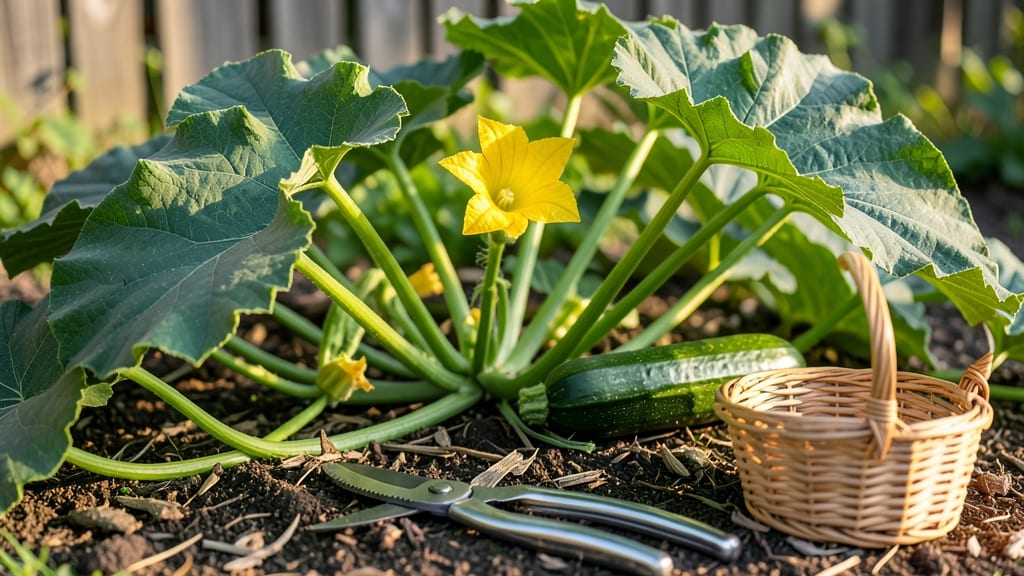
Knowing when squash is ripe means the difference between a meal of buttery, sweet perfection and a tough, flavorless mess.
Picture this: you’ve spent weeks tending to your 🎃 plants in Zone 6a, and now the fruit is swelling—but how do you know it’s truly ready? Miss the mark, and you’ll either end up with underripe squash that’s bland or overripe squash that’s past its prime.
The good news? Ripeness isn’t a guessing game. With a few simple visual cues, you can harvest your squash at its peak, ensuring maximum flavor and texture.
From the deepening color of winter varieties to the slight give of summer squash, ripeness reveals itself in subtle but unmistakable ways. Whether you’re growing zucchini or butternut, these five foolproof signs will help you pick your squash at the perfect moment—no more second-guessing, no more wasted effort.
Below, I’ll walk you through exactly what to look for, common mistakes to avoid, and even a quick test to confirm ripeness when you’re still unsure. By the end, you’ll be harvesting squash like a pro—every time.
5 Visual cues to identify perfectly ripe squash
Nothing beats the satisfaction of harvesting squash at its peak ripeness—crisp, flavorful, and ready for your garden table.
But without clear visual cues, it’s easy to pick too early or too late. Summer squash like zucchini and yellow crookneck have different maturity signals than winter squash such as butternut or acorn.
Let’s break down the 5 foolproof visual cues that tell you when to harvest, so you never miss the sweet spot again.
The first clue lies in the skin’s color. For summer squash, look for vibrant, even hues—deep green for zucchini or bright yellow for crookneck. Winter squash, however, often develop richer tones like deep orange or golden brown as they mature.
Uneven coloring or pale patches mean it’s not ready yet. Pay close attention to the stem end, too—it should harden slightly and may even dry out a bit for winter varieties.
| Cue | Summer Squash (Zucchini, Crookneck) | Winter Squash (Butternut, Acorn, Pumpkin) |
|---|---|---|
| Skin Color | Bright, even green or yellow | Deep orange, golden brown, or rich hue |
| Skin Texture | Smooth, slightly firm | Hard, tough skin (hard to puncture) |
| Stem Condition | Slightly woody, may dry | Dries and hardens completely |
| Size Maturity | 6-8 inches long (check variety) | Full mature size (e.g., 8-12 inches) |
| Weight | Feels heavy for size | Very heavy, dense |
Next, check the skin’s texture. A ripe squash should feel firm to the touch—press your thumbnail into the skin. If it leaves a slight dent but doesn’t puncture easily, it’s ready. Summer squash should still have a smooth surface, while winter squash often develop a thicker, almost leathery skin.
Avoid squash with soft spots or wrinkles, as these indicate overripeness.
The stem’s condition is another key indicator. For summer squash, the stem might start to dry out slightly but should still feel slightly woody. In winter squash, the stem often dries completely and detaches easily from the vine.
If the stem is still green and flexible, the squash needs more time to mature. This cue is especially critical for varieties like butternut, where the stem end hardens dramatically as it ripens.
Don’t overlook the size and shape of the squash. Each variety has a specific mature size—zucchini typically reaches 6-8 inches, while acorn squash grows to about 8-12 inches in diameter.
If your squash is significantly larger than the variety’s standard size, it may be overripe. For example, a yellow crookneck should curve gracefully but not become misshapen or overly large.
Finally, pick up the squash and feel its weight. A ripe squash feels surprisingly heavy for its size, thanks to its dense flesh. If it feels light or hollow when held, it’s likely underripe.
This is particularly true for winter squash, which should feel almost solid when lifted. For summer squash, a slight give when squeezed gently is normal, but the skin should still resist pressure.
Pro tip: Harvest summer squash frequently to encourage more production.
These varieties ripen quickly and can become oversized if left on the vine. Winter squash, on the other hand, should stay on the vine until fully mature—they’re built to store for months, so give them time to develop their signature sweetness and texture.
Now that you’ve mastered these 5 visual cues, you’ll never second-guess when to harvest again. Whether it’s a bright green zucchini or a deep orange butternut, these signs ensure you’re picking at peak flavor and quality. Happy harvesting!
Common mistakes that make squash ripeness hard to judge
Even experienced gardeners can misjudge squash ripeness, and the consequences are costly. Overripe squash becomes mushy and flavorless, while underripe squash stays tough and bland. The confusion often stems from how different squash varieties mature or how weather conditions alter their development.
Let’s break down the most common pitfalls and how to avoid them.
One major mistake is relying solely on color changes without checking other ripeness cues. For example, a yellow crookneck squash might look golden but still feel soft inside. Similarly, butternut squash can develop a hard rind before reaching peak sweetness. Always combine color with texture and weight for accuracy.
Another trickster is humidity and temperature. Hot, humid summers can accelerate ripening, making squash soften faster than expected. Conversely, cool, cloudy weather slows maturation, leaving squash hard even when they appear ripe. Adjust your expectations based on your local climate patterns.
⚠️ WARNING: Don’t Trust Just One Ripeness Test ⚠️
⚠️ Common Pitfalls When Judging Squash Ripeness
- Ignoring stem changes: A dried, woody stem signals ripeness, but some gardeners pick too early when the stem is still green.
- Overestimating size: Some varieties (like zucchini) are ripe small, while others (like pumpkins) need more time to mature.
- Storing squash too soon: Harvesting before full ripeness can shorten shelf life, even if the squash looks ready.
- Weather tricks: Rainy seasons can make squash appear overripe when they’re just absorbing moisture.
Variety differences also play a huge role. Summer squash like zucchini and pattypan should be harvested young and tender, while winter squash like acorn or spaghetti squash need time to harden their skins. Mixing up these categories leads to frustration—always research your specific variety’s ideal ripeness traits.
Storage conditions after harvest can further confuse ripeness judgments. If you store squash in a damp basement, it may soften prematurely, mimicking overripeness. Conversely, keeping squash in a cool, dry place (like a well-ventilated garage) helps preserve its firmness longer.
Always handle harvested squash with care to avoid bruising, which speeds up spoilage.
Finally, don’t dismiss the thump test or stem resistance just because your squash looks ripe. A hollow sound when tapped or a stem that resists gentle twisting confirms readiness. These tactile checks are especially useful for heirloom varieties with unpredictable ripening patterns.