
Vegetables
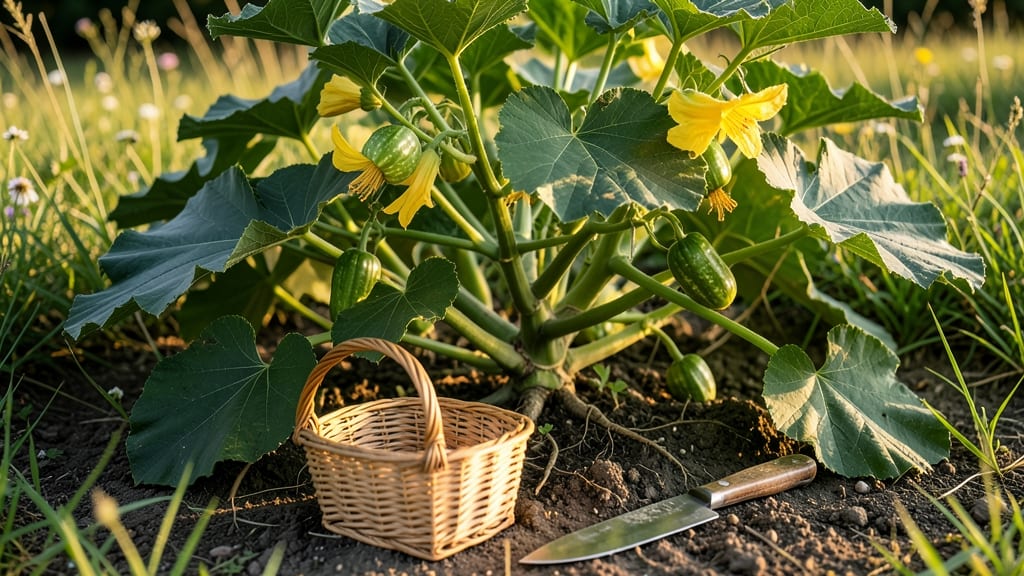
Harvesting summer squash at the right time turns a simple garden task into a flavor game-changer—because waiting just a few days can turn tender flesh into tough, seedy disappointment.
Picture this: you’ve been watching your 🎃 summer squash grow, and now it’s July or August, the peak harvest window. But how do you know exactly when to pick?
The secret lies in size, skin texture, and even the seeds—small clues that tell you whether your squash is ready for the kitchen or still needs time on the vine.
Most varieties, like zucchini or yellow crookneck, hit their sweet spot at 6–8 inches long with firm but tender skin. Press your thumbnail into the rind—if it leaves a slight dent but doesn’t puncture easily, that’s your cue.
And here’s a pro tip: check the seeds. If they’re still tiny and pale, you’ve got prime eating squash.
In this guide, I’ll walk you through the visual and tactile cues that guarantee peak flavor, plus how to adjust for your region’s growing season. No more bitter surprises—just homegrown squash at its best.
How to determine summer squash harvest time by size and seed development
Harvesting summer squash at the right moment transforms your garden bounty from bland to bursting with flavor. The key lies in understanding three science-backed indicators: fruit diameter, seed development, and skin texture.
When you master these cues, you'll enjoy tender, sweet squash instead of tough, seedy disappointments.
Most summer squash varieties—like zucchini, yellow crookneck, and pattypan—reach peak tenderness when they're 6 to 8 inches long. However, this rule varies slightly by variety. For example, zucchini often hits sweetness at 6 inches, while yellow squash may need an extra inch or two for full flavor development.
Here’s the game-changer: the seed size inside your squash. At peak harvest time, seeds should be pea-sized (about 1/8 inch) but still soft. If they’re larger, your squash has passed its prime and will taste bitter.
This tiny detail makes all the difference between a perfect meal and a disappointing one.
Don’t overlook the skin texture—it’s your most reliable visual cue. At the ideal harvest window, the skin should feel firm but tender. Press your thumbnail into the squash: if it leaves a slight dent but doesn’t puncture, it’s ready.
If the skin gives way easily, it’s still too young.
Now let’s break down the exact harvest readiness signs by squash type and stage. The comparison table below shows how size, seed development, and skin texture differ between varieties and maturity stages.
| Variety | Ideal Size | Seed Stage | Skin Texture | Color Cue |
|---|---|---|---|---|
| Zucchini | 6–8 inches | Pea-sized (1/8 inch) | Firm but tender | Deep green |
| Yellow Crookneck | 7–9 inches | Pea-sized (1/8 inch) | Smooth, taut skin | Bright yellow |
| Pattypan | 4–6 inches (diameter) | Tiny, soft seeds | Thin, tender skin | Scalloped edges |
| Overripe Squash | 10+ inches | Bean-sized (1/4 inch) | Hard, woody | Dull, uneven |
Timing your harvest isn’t just about size—it’s also about seasonal cues. In most USDA zones (like Zone 6a), summer squash typically hits harvest readiness between July and August, about 50 to 70 days after planting.
However, if your summer is unusually hot or dry, squash may mature faster.
Pro tip: Harvest in the morning when temperatures are cooler. This preserves the squash’s tenderness and makes it easier to cut through the stem without damaging the plant. Use a sharp knife or pruning shears to avoid tearing the fruit, which can invite pests and disease.
One of the biggest mistakes gardeners make is waiting too long to harvest. By the time your squash reaches 10 inches or more, the flesh becomes fibrous and the seeds grow large enough to dominate the flavor.
If you’re unsure, harvest smaller—you can always pick more later, but you can’t rewind an overripe squash.
For varieties like zucchini, frequent harvesting (every 2–3 days) actually encourages more production. The plant interprets harvested fruit as a signal to produce even more, so stay on top of it!
If you notice your squash developing a hard, woody texture, it’s a clear sign you’ve missed the window.
Finally, store harvested squash properly to maintain its quality. Keep it in a cool, dark place (like a pantry) for up to a week, or refrigerate for longer storage. The goal is to enjoy that peak tenderness for as long as possible after the harvest.
5 Common mistakes that make summer squash taste bitter or woody
Even the most attentive gardeners can end up with bitter-tasting summer squash if they overlook a few critical details. The difference between a tender, sweet squash and one that's tough and seedy often comes down to timing, storage, and growing conditions.
Let me share the most common blunders—and how to avoid them—so you can enjoy that perfect summer harvest every time.
First, harvesting too late is the #1 reason for bitter squash. Once summer squash reaches 8-10 inches in length, its skin thickens and seeds enlarge, turning the flesh woody and flavorless. Many gardeners wait until the squash looks "big enough," but by then, it's already past its prime.
The key is to check for firm but tender skin and harvest when the squash is still small—usually between 6-8 inches.
Another frequent mistake is storing summer squash incorrectly. Unlike winter squash, summer varieties are highly perishable and should never be refrigerated. Cold temperatures break down their delicate cell structure, leading to a mushy, bitter texture.
Instead, store them in a cool, dark pantry for no more than 3-5 days, or use them immediately after harvest for the best flavor.
🌱⚠️ CALLOUT WARNING ⚠️
When to Harvest Summer Squash (Critical Timing!)
Harvest summer squash when it reaches 6-8 inches in length and the skin is firm but tender. Press your thumbnail into the skin—if it leaves a slight indentation but doesn't pierce, it's ready. Waiting even 24 hours longer can turn sweet squash into bitter, seedy disappointment.
🔍 Pro Tip: Check squash daily during peak production—some varieties (like zucchini) can go from perfect to overripe in just 24 hours!
Environmental stress also plays a huge role in flavor. Inconsistent watering causes squash to develop a bitter, watery taste because the plant struggles to maintain proper nutrient uptake. Aim for 1-2 inches of water per week, keeping the soil evenly moist but not soggy.
Drought stress or sudden waterlogging can both ruin your harvest, so consistency is key.
Finally, overcrowded plants lead to poor air circulation, which encourages fungal diseases like powdery mildew. When squash plants are too close together, they compete for nutrients and sunlight, resulting in smaller, bitter fruits.
Give each plant at least 2-3 feet of space and prune any yellowing or diseased leaves immediately to keep your squash thriving.
By avoiding these five mistakes—harvesting too late, improper storage, inconsistent watering, environmental stress, and overcrowding—you’ll enjoy sweet, tender summer squash all season long. The secret is staying vigilant and acting quickly once your plants start producing! 🎃