
How To
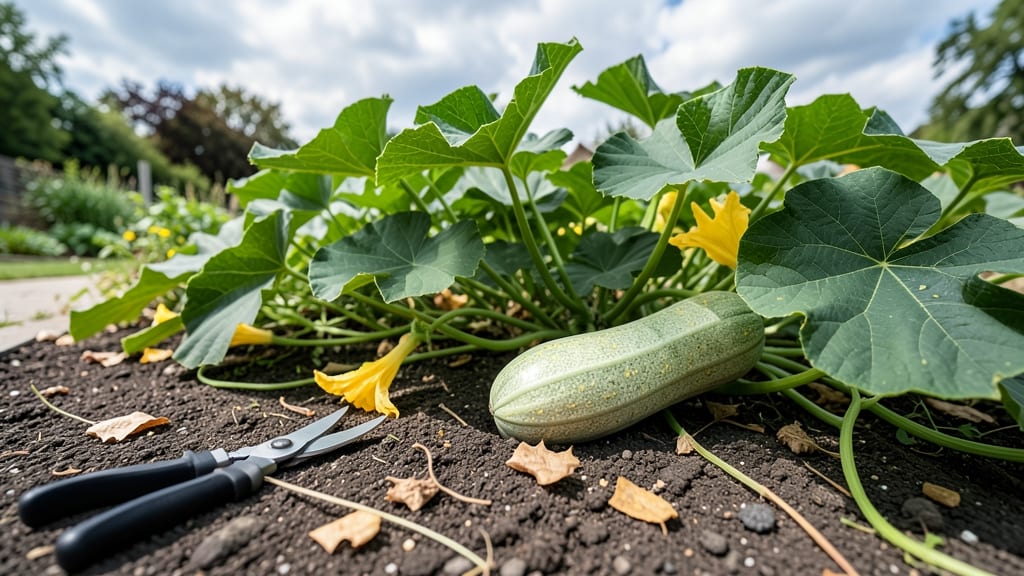
You know when spaghetti squash 🎃 is ready to harvest by spotting three key visual cues—dull skin, a shriveled stem, and a firm rind—that signal peak flavor and texture.
Harvesting too early means tough, underdeveloped strands, while waiting too long turns the flesh mushy. Missing these signs can ruin what would’ve been a perfect dinner centerpiece.
Below, I’ll walk you through the exact color changes, texture tests, and seasonal timing to ensure you pick your squash at its prime—no guesswork involved.
From September to October in Zone 6a, timing is everything, so let’s break down how to nail it every time.
3 Visual cues to identify perfectly ripe spaghetti squash
Harvesting your spaghetti squash at the perfect moment transforms it from a bland garden experiment into a tender, stringy delicacy that separates effortlessly. The key lies in recognizing three unmistakable visual cues that signal ideal ripeness.
Ignore these signs, and you risk either a woody, overripe mess or a undercooked, seedy disappointment.
Unlike many squashes, spaghetti squash doesn't rely on size alone for readiness—its external appearance tells the whole story. Mastering these visual indicators will give you a 90% success rate in harvesting squash with the perfect texture. Let's break down what to look for in your garden patch.
- 1 Color Shift: The rind transforms from vibrant green to a dull, matte tan or yellowish hue. This color change indicates the starches convert into sugars, creating that signature stringy texture.
- 2 Stem Condition: The stem end should become hard and shriveled, almost like dried leather. When you gently twist it, it should separate cleanly from the squash—this means the plant has stopped nourishing the fruit.
- 3 Skin Firmness: Press your thumbnail into the skin—if it doesn't dent, the squash is ready. A dent means it's still absorbing moisture and needs more time. This test works best on sun-exposed sides of the squash.
Pay special attention to the stem end—this is where the plant's nutrients exit, and its condition is the most reliable indicator. A soft, green stem means the squash needs more time, while a brown, woody stem signals it's past its prime.
Pro tip: Check these cues in the morning sunlight when the squash's surface is dry.
Don't rely solely on the squash's size—some varieties stay small but perfectly ripe, while others grow larger but never achieve ideal texture. The color transformation is particularly important because it reflects the internal starch breakdown that creates those coveted spaghetti-like strands.
I've harvested squash that looked perfect by size but had hard, seedy flesh because I ignored the color cue.
For container growers, these visual cues are even more critical since space limitations can affect growth patterns. Check your squash's underside for the dull coloration—sometimes the top remains green longer due to sunlight exposure.
If you're growing in partial shade, the color change may be less pronounced, so rely more on the stem condition and skin firmness tests.
One common mistake is waiting until the vine completely dies back before harvesting. By then, the squash may have absorbed too much moisture from the soil, resulting in a watery texture.
Aim to harvest when the vine is yellowing but still green—this gives you that sweet spot between perfect ripeness and overmaturity.
Remember that spaghetti squash typically reaches harvest readiness between 80-110 days after planting, depending on your climate. In warmer zones (USDA 9-10), you might see these visual cues as early as 80 days, while cooler regions (USDA 5-6) may need the full 110 days.
Always adjust your expectations based on your local growing season.
Once you've confirmed all three visual cues, harvest within 24 hours to preserve quality. Use a sharp pruning shear to cut the squash from the vine, leaving a 1-inch stem attachment to extend shelf life.
Store in a cool, dry place (50-55°F) where it'll keep for 2-3 months without losing its signature texture.
Mastering these visual cues will turn your spaghetti squash harvests from hit-or-miss experiments to reliable, restaurant-quality results. The next time you're debating whether to pick that squash, just remember: dull color, hard stem, firm skin equals perfect ripeness—every time. 🎃
How to test spaghetti squash ripeness beyond visuals: the thump and weight method
Sometimes, even the most experienced gardeners struggle to determine when spaghetti squash is truly ready for harvest. Cloudy days or inconsistent sunlight can muddle visual cues like rind color and stem shrinkage.
That’s where the thump test and weight assessment come in—two foolproof methods to confirm ripeness when external signs are unclear. These techniques help you avoid harvesting too early (tough, underdeveloped flesh) or too late (overripe, watery strands).
For the thump test, gently tap the squash with your knuckles—just like you’d test a melon. A ripe spaghetti squash produces a deep, hollow sound, indicating the seeds are fully developed and the flesh is tender.
An unripe squash, however, will sound dull or flat. This method works especially well in shady patches where color changes may be less pronounced. Pair it with the weight method for even greater accuracy.
Here’s the trick: a ripe spaghetti squash feels heavy for its size. Lift it in your hands—if it’s noticeably lighter than similar-sized squash, it’s likely not ready. The extra weight comes from the dense, fibrous flesh and mature seeds, both of which signal peak ripeness.
This method is particularly useful when squash are still green but you suspect they’re nearing readiness.
🌱 Pro Tip: The Perfect Combo Test
Combine the thump and weight tests for 100% confidence. Hold the squash in one hand, tap it gently with your other knuckles, then lift it to assess weight. If it’s hollow-sounding and heavy for its size, it’s ready to harvest—even if the rind still looks greenish.
Timing matters, especially in cooler climates where squash may mature slower. If you’re harvesting in early fall or after a heatwave, these tests become even more critical. Overripe squash lose their signature stringy texture, turning mushy and bland.
By mastering the thump and weight method, you’ll consistently harvest squash at their peak—just when the flesh is tender, the seeds are plump, and the flavor is sweetest.
One common mistake is assuming a squash is ripe just because it’s large. Size alone isn’t a reliable indicator—some squash grow big but stay underdeveloped inside. Always pair size checks with the thump and weight tests.
For example, a squash that’s 10 inches long but feels light and sounds dull needs more time on the vine. Patience pays off with a perfect harvest.
Once you’ve confirmed ripeness, harvest your spaghetti squash by cutting the stem with a sharp knife or pruners. Store it in a cool, dry place for up to a month, or cook it within a week for the best texture.
The thump and weight method isn’t just a backup—it’s your secret weapon for foolproof harvesting, especially in unpredictable growing seasons. 🌿