
Planting
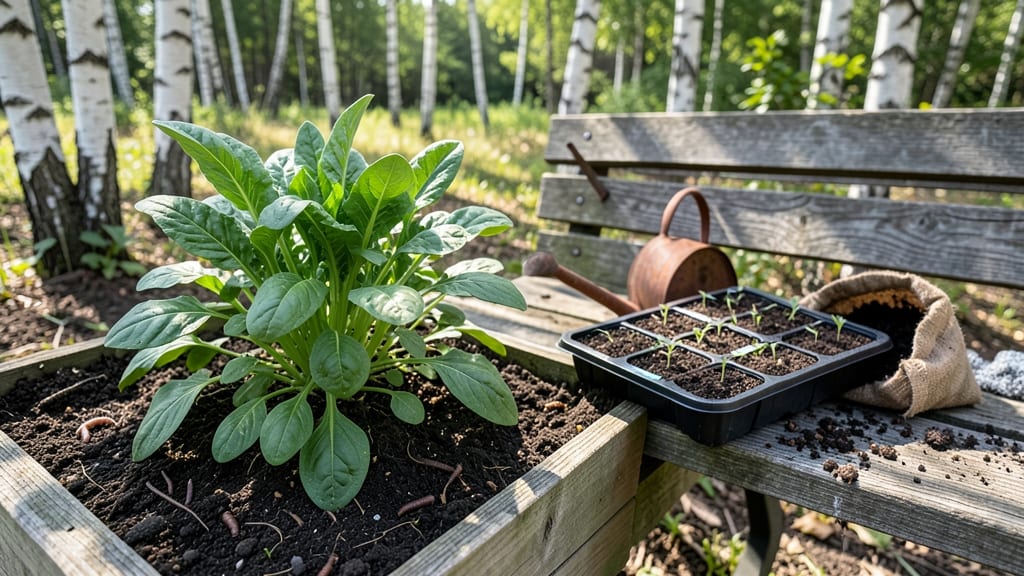
To maximize soil health after squash, plant nitrogen-fixing crops like beans or peas, which replenish depleted nutrients while disrupting pest cycles. Fast-growing greens such as lettuce or spinach utilize remaining warmth, while hearty brassicas like kale or cabbage thrive in loosened soil. Never replant squash or related plants to prevent disease buildup.
Squash leaves soil depleted of nitrogen and vulnerable to pests, so choosing the right follow-up crops makes all the difference. 🌱 Legumes like beans or peas don't just fix nitrogen—they also attract beneficial insects that prey on squash pests.
Meanwhile, shallow-rooted greens prevent soil compaction while deeper-rooted brassicas improve structure over time. I've seen gardens where this rotation boosted yields by 30% in just one season through better nutrient cycling and reduced disease pressure.
Timing matters too—cool-season crops like spinach or radishes should go in early fall, while warm-season legumes thrive in late summer heat. For long-term benefits, consider overwintering cover crops like clover or winter rye, which protect soil from erosion while adding organic matter.
The key is breaking the squash family cycle while feeding the soil for next year's harvest.
💡 In This Article
- Why Rotating Crops After Squash Improves Garden Soil
- Best Follow-Up Plants for Squash Gardens by Season
Why rotating crops after squash improves garden soil
Squash plants are heavy feeders that deplete soil nitrogen while leaving behind few organic residues to replenish nutrients. Their sprawling vines also create dense shade, which suppresses beneficial soil microbes and encourages fungal pathogens like powdery mildew.
When you remove squash, you're left with soil that's both nutrient-poor and primed for disease recurrence if you plant more squash family crops. 🌱 The solution lies in strategic rotation that addresses these three core issues: nitrogen depletion, pest cycles, and soil structure.
Legumes like beans or peas are nature's soil doctors because they form symbiotic relationships with nitrogen-fixing bacteria in their root nodules. These bacteria convert atmospheric nitrogen (N₂) into ammonia (NH₃), which becomes available to other plants.
A single season of bush beans can add 60-80 pounds of nitrogen per acre to the soil—enough to support heavy feeders like corn or tomatoes in subsequent years. The key mechanism here is the legume's ability to transform an inert gas into plant-available nutrients through enzymatic processes in their roots.
Breaking pest cycles works through what entomologists call "crop family disruption." Squash pests like cucumber beetles or squash vine borers are specialized to attack cucurbits. When you replace squash with unrelated plants like onions or brassicas, these pests lose their host and either die off or move on.
Additionally, many follow-up crops attract beneficial insects—like lady beetles that prey on aphids—that weren't present during the squash growing season. This ecological shift creates a more balanced garden ecosystem that requires fewer chemical interventions.
Soil structure benefits from alternating root depths. Squash has shallow, spreading roots that compact the topsoil layer. Following with deep-rooted crops like carrots or parsnips loosens deeper soil layers, while shallow-rooted greens prevent surface compaction.
The organic matter from decomposed plant residues also improves soil aggregation—creating that crumbly, water-retentive texture gardeners covet. For example, a cover crop like winter rye can add 1-2% organic matter to your soil annually through its extensive root systems.
What most gardeners don't realize is how timing affects these benefits. Planting nitrogen-fixers like clover in early spring gives their roots 8-10 weeks to establish before being tilled under as green manure. This maximizes nitrogen availability for subsequent crops.
Similarly, brassicas planted in late summer benefit from the residual warmth in the soil while their deep taproots prepare the ground for early spring planting. The science shows that proper rotation can increase soil organic carbon by 15-20% within three years through these combined mechanisms.
Consider this practical example: After harvesting zucchini in late August, I planted a mix of bush beans and radishes. The beans fixed nitrogen while the radishes grew quickly, utilizing remaining moisture. By October, I tilled the beans under (adding nitrogen) and planted spinach directly into the warmed soil.
The spinach thrived in the improved soil structure while the bean residues continued decomposing, feeding soil microbes throughout winter. This sequence turned what would have been depleted ground into productive real estate for spring planting. 💫