
Container Gardens
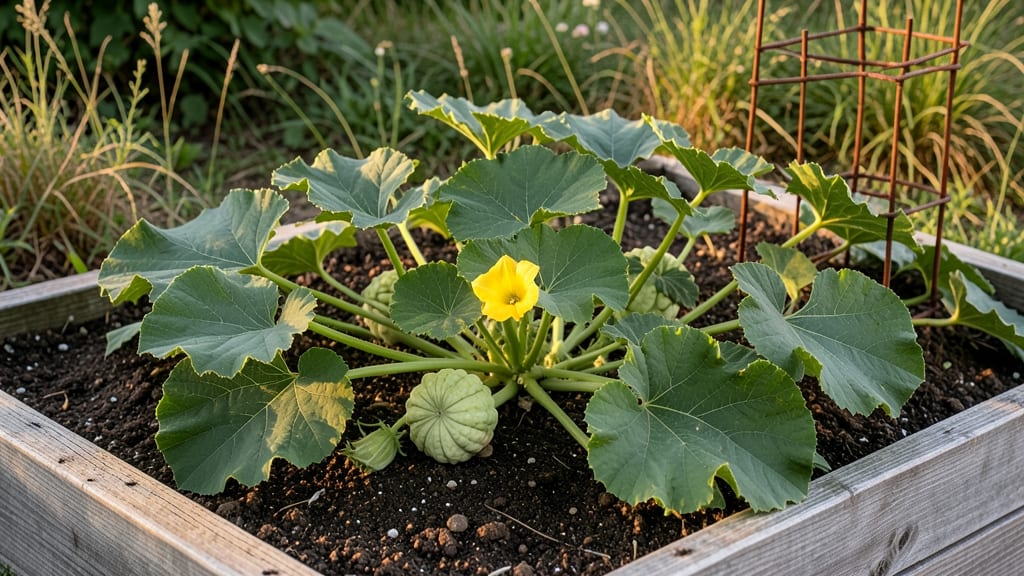
Pattypan squash growing in containers is the perfect solution when space is tight but you crave summer’s sweetest harvests. 🌿 I’ve grown these scalloped beauties in 5-gallon pots for years, and they produce just as prolifically as their vine-bound cousins—if not more.
The secret lies in mimicking their natural bushy growth habit with the right container setup and care routine.
You’ll need a 5-gallon pot or larger with drainage holes, lightweight potting mix rich in compost, and a sunny spot getting 6-8 hours of direct light daily. Unlike sprawling zucchini, pattypans stay compact, making them ideal for balconies, patios, or even windowsills.
Start seeds indoors 4-6 weeks before your last frost, or buy sturdy transplants to avoid transplant shock.
Once planted, keep soil consistently moist but never soggy—think damp sponge, not swamp. A balanced 10-10-10 fertilizer every 3-4 weeks after flowering kicks in boosts production, and pruning side shoots encourages larger, sweeter fruits.
Harvest when squashes reach 3-4 inches wide—they’re ready when skin turns a vibrant yellow-green and the scalloped edges soften.
Common pitfalls? Overcrowding (thin seedlings to 1 per pot) and powdery mildew (space plants for airflow). With the right setup, you’ll enjoy 10-12 squashes per plant all summer long—no yard required. Ready to grow these space-saving wonders?
📚 In This Guide
- What you need
- Instructions
- Tips and common mistakes
- Wrapping up and next steps
What you need
- ● Pattypan squash seeds: 3–5 seeds per container (or 1–2 seeds per plant if transplanting seedlings). Choose heirloom varieties like ‘Sunburst’ or ‘Green Tiffany’ for best results.
- ● Containers: At least 5-gallon pots (18+ inches deep) per plant. Ensure they have drainage holes!
- ● High-quality potting mix: A sterilized, well-draining blend (e.g., 60% potting soil + 30% compost + 10% perlite or coco coir). Avoid garden soil—it compacts too easily!
- ● Fertilizer: Balanced organic fertilizer (e.g., 5-5-5 or 10-10-10) at planting.
- ● Slow-release granules (like osmacote) or liquid feed (e.g., fish emulsion) every 3–4 weeks during growth.
- ○ Support or trellis (optional but helpful): A 5–6 ft tall stake, cage, or trellis to encourage vertical growth and prevent sprawling.
- ● Mulch: Straw or shredded leaves (2–3 inches thick) to retain moisture and suppress weeds.
- ● Watering can or hose with a gentle nozzle: Pattypans need 1–1.5 inches of water per week (more in heatwaves!).
- ● Pruning shears or scissors: For trimming vines and harvesting.
- ● Self-watering container: Reduces maintenance if you travel often.
- ● Row covers or shade cloth: Protects young plants from pests (like squash bugs) or intense sun.
- ● Compost tea or mycorrhizal fungi: Boosts soil health and root growth.
- ● Harvest basket or mesh bag: Gently carries squash to avoid bruising.
Step-by-step instructions for growing pattypan squash in containers
Here’s how to grow these stunning, edible flowers with minimal space—no sprawling vines required.
🌱 Step 1: Choose the Right Containers and Prep the Soil
Pattypan squash thrives in 5-gallon containers with at least 12 inches of depth—this gives roots room to spread while keeping vines compact. I use fabric grow bags because they allow excess moisture to evaporate, preventing root rot. Drill 4-6 drainage holes in the bottom if your container doesn’t have them, and place a 2-inch layer of gravel or perlite at the base for extra drainage.
Fill the container with a sterile potting mix blended with 20% compost for nutrients. Avoid garden soil—it compacts and suffocates roots. Moisten the mix until it’s evenly damp but not soggy, like a wrung-out sponge. Press it down lightly to eliminate air pockets, then let it settle for 24 hours before planting. This ensures the soil structure is just right for tender squash roots.
☀️ Step 2: Plant Seeds at the Right Time and Depth
Wait until after your last frost date and soil temperatures reach at least 65°F—pattypan squash won’t germinate in cold soil. Plant 2-3 seeds per container, burying them 1 inch deep in a small mound of soil. Space seeds 6 inches apart to avoid overcrowding. I like to use biodegradable seed starter pellets for the first few weeks—they keep seeds hydrated and reduce the risk of damping-off.
Cover the seeds lightly with soil and mist the surface with water until it’s uniformly moist. Place the container in a warm, sunny spot (or under a grow light if starting indoors). Germination takes 7-14 days, depending on temperature. Once sprouts appear, thin to one strongest seedling per container—this prevents competition and ensures healthier growth. Watch for first true leaves (not the initial seed leaves) before thinning.
💧 Step 3: Provide Consistent Water and Support
Pattypan squash needs 1-2 inches of water per week, but never let the soil dry out completely—drooping leaves signal thirst. Water at the base of the plant in the morning to reduce fungal risks. I use a self-watering container to maintain even moisture, especially during hot spells. Mulch with 2 inches of straw to retain moisture and keep roots cool.
As vines grow, they’ll need support to prevent sprawling. Install a small trellis or tomato cage (4-5 feet tall) and gently weave vines through it as they develop. This keeps the plant upright and makes harvesting easier. Prune any yellowing or diseased leaves immediately—pattypan squash is susceptible to powdery mildew in humid conditions. A weekly foliar spray of neem oil helps prevent fungal issues.
✂️ Step 4: Harvest at Peak Ripeness and Encourage More Production
Pattypan squash is ready to harvest when flowers start to close and the skin turns deep green with yellow stripes. Use clean pruners to cut the stem ½ inch above the fruit—this prevents damage to the vine. Harvest in the morning when flavors are at their peak. Leave one flower per vine to develop into a squash—this ensures continuous production.
After harvesting, fertilize lightly with a balanced 10-10-10 fertilizer to encourage more blooms. Stop fertilizing 4-6 weeks before your first frost—you want the plant to focus on ripening existing squash rather than new growth. If vines look exhausted by late summer, reduce watering slightly to signal the plant to slow down and mature its fruits.
⏰ Step 5: Extend the Season or Save Seeds for Next Year
To prolong harvests, cover plants with a frost blanket on chilly nights—pattypan squash tolerates light frosts but won’t survive prolonged cold. If you’re in a short-season climate, start seeds indoors 3-4 weeks before the last frost and transplant outdoors after soil warms up. This gives you a 4-6 week head start on the growing season.
If you want to save seeds, allow one squash per plant to fully mature on the vine until it turns yellow and papery. Scoop out the seeds, rinse them, and dry them on a paper towel for a week. Store in a cool, dark place for up to 2 years. I label each year’s seeds with the variety—pattypan squash comes in green, yellow, and striped types, and flavors can vary slightly.
Tips & tricks for growing pattypan squash in containers
Here's what I've learned from years of growing these stunning squash—small details that make all the difference when working with compact vines.
The Container Depth Difference: That 12-inch depth requirement isn't arbitrary—pattypan squash roots grow surprisingly deep as plants mature. If you're using smaller containers, add a 2-inch layer of expanded clay pebbles at the bottom to create extra rooting space. I've seen plants struggle in shallower containers where roots hit the bottom too soon, causing stunted growth. Fabric grow bags are my go-to because they allow roots to breathe while preventing compaction that suffocates tender roots.
Soil Settlement Strategy: The 24-hour settling period before planting is your secret weapon against poor drainage. After moistening your potting mix, press it down firmly but don't compact it—think of it as creating a firm foundation. This prevents the soil from collapsing later when you water, which could bury your seeds too deep. I like to tap the container gently on the workbench to help settle the mix evenly before planting.
Germination Temperature Hack: While 65°F is the minimum soil temperature for germination, I've found that seeds planted in soil at 70-75°F sprout in just 5-7 days rather than the full 7-14 day range. Use a seedling heat mat if your spring nights are chilly—it's worth the investment for faster results. The key is maintaining consistent warmth during those critical first days when seeds are most vulnerable to damping-off.
Support Installation Timing: Don't wait until vines are sprawling to install your trellis or tomato cage. Set up support structures right after your seedlings develop their first true leaves—around the 3-4 week mark. This gives vines something to climb immediately rather than letting them grow accustomed to sprawling. I weave the main vine through the trellis first, then gently train side shoots as they appear. This creates a more organized growth pattern that's easier to manage and harvest.
Pro Tips for Pattypan Squash Growing
- Here's what I've learned from years of growing these stunning squash—small details that make all the difference when working with compact vines.
- The Container Depth Difference: That 12-inch depth requirement isn't arbitrary—pattypan squash roots grow surprisingly deep as plants mature.
- Soil Settlement Strategy: The 24-hour settling period before planting is your secret weapon against poor drainage.
Frequently asked questions
Got questions about growing pattypan squash in containers? You’re not alone! Here are some of the most common queries—and their solutions—to help you grow these adorable, scalloped squashes like a pro.
When is the best time to plant pattypan squash in containers?
Pattypan squash thrives in warm soil—wait until after the last frost when nighttime temps stay above 55°F (13°C). For container growing, start seeds indoors 3–4 weeks before transplanting or buy young plants from a nursery. If you’re in a short-season area, opt for fast-maturing varieties (like ‘Sunburst’ or ‘Green Tiffany’).
How long does it take for pattypan squash to mature in containers?
Most pattypan varieties mature in 50–60 days from transplanting, but container-grown squash may take 5–10 extra days due to limited root space. Choose compact or bush types (like ‘Patty Pan’ or ‘Golden Patty’) for faster harvests. Monitor vines closely—squash ripens quickly once it reaches 3–5 inches wide!
Why aren’t my pattypan squash growing in containers? Troubleshooting tips.
If your squash is struggling, check these common issues:
- Not enough sun: Pattypans need 6–8 hours of direct sunlight daily. Move containers to a sunnier spot or supplement with grow lights.
- Poor soil: Use a well-draining potting mix rich in compost. Containers dry out fast—water deeply when the top inch feels dry.
- Overcrowding: Thin seedlings to 1 plant per 5–7 gallons of soil (or 12–18" spacing). Overcrowding leads to disease and small squash.
- Pests: Watch for cucumber beetles or squash bugs. Use row covers early or handpick pests.
Pro tip: If vines look weak, add a balanced fertilizer (like 10-10-10) at half-strength every 3–4 weeks.
Can I grow pattypan squash in small containers, like 5-gallon buckets?
Yes! Pattypans are compact and perfect for containers, even as small as 5 gallons. Just ensure the container has:
- Drainage holes (to prevent root rot).
- At least 12–18" depth for root growth.
- A support trellis or cage (vines can sprawl 3–5 ft).
For bigger harvests, upgrade to 7–10 gallons. Varieties like ‘Sunburst’ or ‘Golden Patty’ do well in tight spaces!
What can I do if my pattypan squash flowers but doesn’t produce fruit?
This is often due to lack of pollination or temperature stress. Try these fixes:
- Hand-pollinate: Use a small brush to transfer pollen from male flowers (long stems) to female flowers (tiny squash at the base).
- Attract pollinators: Plant bee-friendly flowers (like marigolds or nasturtiums) nearby.
- Check temps: Pattypans need warm days (70°F+) and cool nights (50–60°F). If it’s too hot (<90°F), shade plants slightly.
If flowers drop without fruiting, it may also signal overwatering or nutrient deficiency—adjust care and monitor closely!
Wrapping up and next steps
Growing pattypan squash in containers is a rewarding experience—whether you’re a space-conscious gardener or just love their unique, scalloped shape! 🌱 With the right soil, sunlight, and care, these compact vines can produce a bountiful harvest in even the smallest of spaces.
Now that you’re armed with tips on materials, troubleshooting, and FAQs, it’s time to roll up your sleeves and get planting!
Ready to start your pattypan adventure? Pick a sunny spot, grab your container, and watch your garden flourish! 🌿 What’s next? Share your progress with fellow gardeners or experiment with companion planting to maximize your harvest.