
Tools
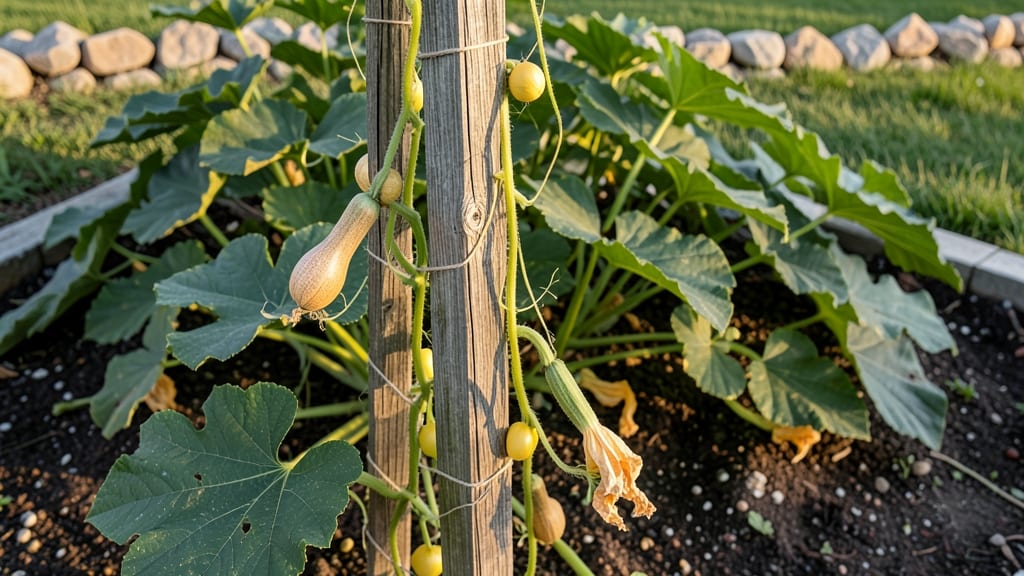
Transform your small garden into a butternut squash powerhouse with a vertical trellis—this space-saving hack turns sprawling vines into a tidy, high-yielding vertical display. 🌱 I used to dread planting squash because of how much room they take, but after building my first trellis, I never looked back.
The results? More squash in less space, easier harvesting, and a garden that actually looks intentional. The secret lies in sturdy materials like 6-foot tall T-posts or wooden lattice panels, spaced 3-4 feet apart to support the vines' weight.
Butternut squash vines grow aggressively, so you'll need strong twine or garden netting to gently guide them upward. The best part? You can train the vines to climb in just 2-3 weeks, freeing up precious garden real estate for other crops.
Imagine harvesting 10-12 squash from a 3-foot wide vertical space instead of struggling with a 10-foot sprawl. The trellis keeps fruits clean, reduces disease risk, and makes them easier to spot when they're ready to pick.
Plus, the vines create a stunning vertical focal point that looks like it belongs in a botanical garden. This method works in containers, raised beds, or small backyards—just adjust the trellis height based on your space.
Whether you're a city gardener or just short on room, this trellis system turns squash growing into a neat, productive, and beautiful solution.
📚 In This Guide
- What you need
- Instructions
- Tips and common mistakes
- Wrapping up and next steps
What you need
- ● Trellis Framework: 4–6 T-posts (5–6 ft tall, galvanized steel or wooden) – 1 per corner (add more for extra stability).
- ● PVC pipes (4-inch diameter, 6–8 ft long) – 2–4 sections (or repurpose wooden stakes/ladder frames).
- ● Heavy-duty zip ties or garden twine (30+ ft) – to secure the trellis.
- ● Support & Fasteners: Galvanized screws (3-inch) – 12–16 (for securing PVC to posts).
- ○ Bungee cords or ratchet straps – 4–6 (optional, for extra reinforcement).
- ○ Optional Upgrades: Coconut coir or burlap strips – to gently tie vines (avoids squash skin damage).
- ● Drip irrigation kit – for hassle-free watering.
- ● Reflective mulch – to deter pests (e.g., aluminum foil strips).
- ● Space: A sunny spot (6+ hours of light daily) with 4–5 ft of vertical clearance (e.g., fence, deck, or open area).
- ● Soil Prep: Well-draining soil amended with compost (mix in 2–3 inches before planting).
- ● Butternut Squash Seeds/Seedlings: 2–4 plants (spaced 2–3 ft apart at the base of the trellis).
- ● Vining varieties like ‘Waltham’ or ‘Long Island Cheese’ (best for vertical growth).
- ○ Safety Gear (Optional but Recommended): Work gloves (for handling rough materials).
- ● Safety goggles (if using power tools).
Step-by-Step instructions for building a vertical butternut squash trellis
Here's how to create a sturdy, space-saving trellis that transforms sprawling vines into a tidy, high-yielding vertical garden.
🪴 Step 1: Choose and Assemble Your Trellis Frame
Start with a 4-foot tall frame made from 2x2-inch untreated wood posts or heavy-duty metal pipes. I like using T-posts for stability—they anchor deep into the soil. Space four posts at the corners of a 3-foot square base, then connect them with horizontal 1x2-inch lattice strips every 12 inches vertically. This creates a ladder-like structure that vines can climb.
For a single plant, a 3-foot tall A-frame trellis works perfectly. Drive the posts 12 inches deep into the soil for maximum stability. If you're trellising multiple plants, create a 5-foot long rectangular frame with posts spaced 5 feet apart. The wider base distributes the weight of heavy squash better than a narrow structure.
🌱 Step 2: Plant and Train the Vine Base
Plant your butternut squash seeds 6 inches from the trellis in mounded soil—this encourages roots to spread outward for stability. I always use 3-4 seeds per mound and thin to the strongest seedling after germination. Water deeply right after planting to settle the soil around the roots.
When the vine reaches 12 inches tall, gently guide the main stem toward the trellis. Secure it with soft plant ties (never wire—it can damage the stem). Let the vine climb naturally rather than forcing it. You'll see the first tendrils appear within 2 weeks—these are your plant's natural hooks for gripping the lattice.
☀️ Step 3: Encourage Vertical Growth and Prune Strategically
Once the vine reaches the bottom of the trellis (about 18 inches up), start pruning side shoots that grow below this point. Remove them with clean scissors to redirect energy upward. This prevents the plant from putting too much effort into horizontal growth and keeps the trellis from sagging under weight.
When the main vine reaches the top of the trellis, let it trail along the lattice horizontally. This creates a natural canopy where female flowers (the ones with tiny squash at the base) will develop. You'll know you're doing it right when you see both male and female flowers—male flowers grow on long stems, while female flowers sit directly on the vine.
💧 Step 4: Support and Harvest the Squash
As squash begin to form, tie them gently to the lattice with soft fabric strips. This prevents them from touching the ground (which causes rot) and distributes their weight evenly. I like using old T-shirts cut into strips—they're breathable and won't strangle the vine as it grows.
Harvest when the squash's skin turns hard and dull yellow, and the stem near the vine turns brown. Twist gently to detach—don't cut. A fully trellised butternut squash vine can produce 4-6 large squash in a 3x3-foot space, compared to just 1-2 when grown on the ground.
✂️ Step 5: Clean Up and Prepare for Next Season
After harvest, cut the vine down to ground level and remove any remaining plant debris. This prevents pests and diseases from overwintering in the soil. I compost the healthy vine material—it makes great mulch for next year's garden.
Before replanting, replace any damaged lattice strips and tighten loose connections. A well-maintained trellis lasts 5-7 years with minimal repairs. Store any reusable materials (like plant ties or lattice pieces) in a dry place for next season.
Tips & tricks for perfect vertical butternut squash trellises
Transforming sprawling squash vines into a vertical garden isn't just clever—it's a game-changer for small spaces. Here's how to maximize your harvest without sacrificing stability or yield.
Stability is Everything: The 12-inch depth for driving posts is non-negotiable—this is what keeps your trellis from toppling under heavy squash. For windy areas, add diagonal cross-bracing between posts for extra support. I've seen trellises collapse after just one storm because the posts weren't anchored properly. Trust me, you don't want to harvest squash from the ground after all that work!
Pruning Made Simple: When you reach Step 3 and start pruning those side shoots below 18 inches, focus on removing any that grow at sharp angles from the main vine. These "wild" shoots compete for nutrients and can make your trellis look messy. I like to prune every 7-10 days during peak growth—it keeps the plant focused on producing upward, where we want those flowers and fruit.
Tie Smart, Tie Often: Those soft fabric strips aren't just for show—they're essential for preventing rot. As your squash form, tie them every 5-7 days, especially after heavy rain. I've seen squash rot within hours of touching wet soil, even with a trellis. Use the old T-shirt strips as directed, but add an extra knot if your squash starts to sag—just don't tie too tightly or you'll restrict growth.
Seasonal Maintenance Secret: Before storing your trellis for winter, give it a quick power wash with a hose to remove any soil or debris. I've found that storing clean lattice strips prevents rust (if using metal) and makes reassembly much easier next spring. A little maintenance now means fewer repairs later—your future self will thank you when you're ready to plant again.
Pro Tips for Vertical Butternut Squash Trellis
- Transforming sprawling squash vines into a vertical garden isn't just clever—it's a game-changer for small spaces.
- Stability is Everything: The 12-inch depth for driving posts is non-negotiable—this is what keeps your trellis from toppling under heavy squash.
- Pruning Made Simple: When you reach Step 3 and start pruning those side shoots below 18 inches, focus on removing any that grow at sharp angles from the main vine.
Frequently asked questions
Got questions about growing butternut squash vertically? You’re not alone! Here are some of the most common concerns—and solutions—to help you master the vertical butternut squash trellis like a pro.
How tall should my trellis be for butternut squash?
Aim for a 6- to 8-foot trellis to support the vines as they grow. Butternut squash vines can sprawl up to 10 feet, so extra height ensures they climb without sagging. Use sturdy materials like metal or thick wooden posts to prevent bending under the weight of the fruit.
When is the best time to start training vines upward?
Begin guiding vines upward 2-3 weeks after germination, once they’ve developed 2-3 leaves. Gently tie the main stem to the trellis with soft plant ties or old fabric strips. Avoid wrapping too tightly—you want to encourage growth, not restrict it!
Can I use a trellis for other types of squash?
While butternut squash is ideal for vertical growing, acorn, delicata, and small pumpkins also thrive on trellises. Larger varieties like hubbard squash may need extra support, but the same principles apply. Just adjust the trellis height and spacing based on the plant’s mature size.
What should I do if my vines stop climbing or look weak?
Weak vines could signal nutrient deficiency, pests, or overcrowding. Check for aphids or squash bugs and treat with neem oil if needed. Ensure your plants get plenty of sunlight (6+ hours/day) and well-draining soil. If growth stalls, prune lower leaves to redirect energy upward and fertilize with compost tea.
Do I need to prune butternut squash on a trellis?
Pruning isn’t mandatory, but it can improve airflow and fruit production. Remove suckers (side shoots) that form in the leaf axils to focus energy on the main vine and fruit. Leave 2-3 strong vines per plant to climb—this prevents overcrowding and makes harvesting easier!
Wrapping up and next steps
Growing butternut squash vertically isn’t just a clever hack—it’s a game-changer for small gardens! 🌱 With a sturdy trellis, you’ll save space, boost airflow, and enjoy cleaner, easier-to-harvest squash. Start small, experiment with designs, and soon you’ll be the envy of your neighborhood with your bountiful, vine-tamed harvests.
Ready to transform your garden? Grab your materials, follow the steps, and watch your squash climb to new heights! 🚀 Happy growing!