
Plants
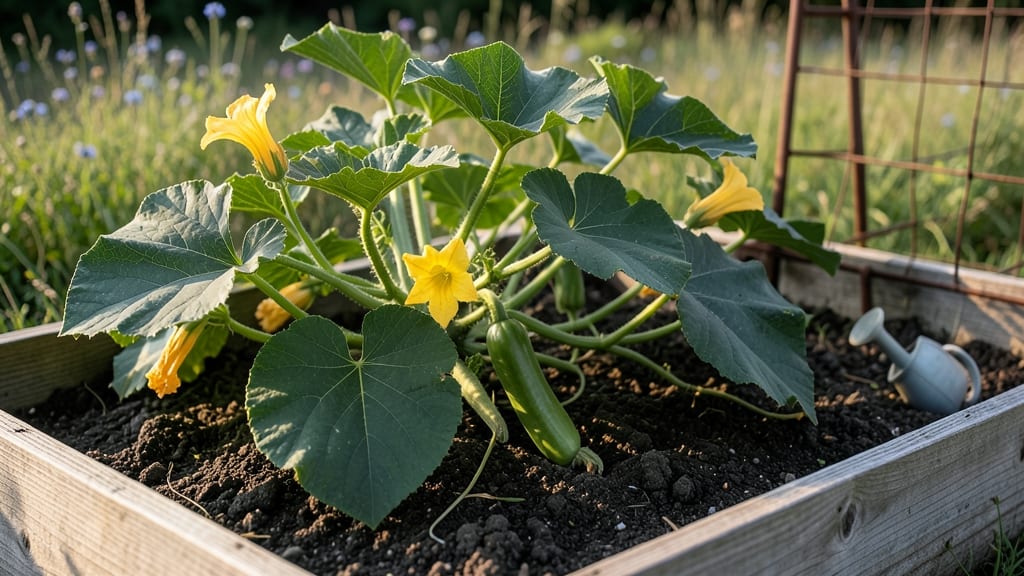
Summer squash looks like smooth, elongated green vegetables with a glossy, thin skin and a light green to pale yellow color. They typically measure 4 to 8 inches long, featuring a small stem end and a slightly tapered blossom end, similar to zucchini but often more slender and tender.
Summer squash is instantly recognizable by its sleek, almost waxy surface that reflects light, making it look fresh even in grocery store displays. 🌱 Unlike zucchini, which tends to be more blocky, summer squash varieties like yellow crookneck or pattypan often have a graceful curve or flared ends.
The skin stays tender enough to eat, which is a key difference from winter squash—think of it as the produce world's version of a delicate, edible wrapper.
One of my favorite tricks for spotting summer squash is to check the weight: they feel light for their size because of their high water content. That same water content also means they bruise easily, so always handle them gently.
The blossom end (the tapered end) often has a slight bump where the flower once grew, giving it a distinctive look that sets it apart from other vegetables.
💡 In This Article
- Summer Squash Varieties and Their Unique Appearances
- How to Tell Summer Squash Apart from Winter Squash
Summer squash varieties and their unique appearances
Summer squash comes in more varieties than you might expect, each with distinct visual traits that help with identification. The most common type is zucchini, which has a dark green, ribbed skin and a blocky, cylindrical shape about 6-8 inches long.
But don't confuse it with yellow crookneck squash—this variety has a smooth, pale yellow skin and a dramatic upward curve at the blossom end, resembling a crook or hook. 💫
Pattypan squash is another standout with its scalloped, shield-like shape and 3-4 inch diameter, often featuring a mix of green and yellow hues. The skin stays tender and edible, unlike winter squash varieties.
Even the color can vary: some summer squash like the yellow straightneck have a bright golden skin, while others like white bush squash appear almost ivory. The key is always the thin, glossy skin that feels delicate to the touch.
What sets summer squash apart visually is how their size and shape change as they mature. When harvested young (4-6 inches), they're tender and mild—perfect for grilling or sautéing.
But if left to grow larger (8+ inches), the skin thickens slightly and the seeds become more noticeable, though they're still edible. This growth progression gives gardeners a visual cue about harvest timing. 🌱
One pro tip: check the stem end. Summer squash often have a small, slightly raised scar where the stem was attached, while the blossom end may show faint flower remnants. This detail helps distinguish them from winter squash, which have a much thicker, woody stem attachment.
The visual differences become especially clear when comparing side by side with butternut squash or acorn squash.
Color gradients also play a role in identification. Some varieties like green zucchini maintain their deep green hue, while others like yellow boar squash develop a rich golden tone.
Even within the same variety, sunlight exposure can create subtle color variations—those grown in full sun often develop deeper pigments than shade-grown specimens. This natural variation adds to the visual diversity of summer squash in markets.
For the best visual identification, look for these three key traits together: thin, glossy skin, lightweight feel, and delicate blossom end. These characteristics create a signature look that distinguishes summer squash from nearly every other garden vegetable.
The visual clues make it easier to select the freshest specimens at the market or identify your own homegrown harvest. ✨