
Planting
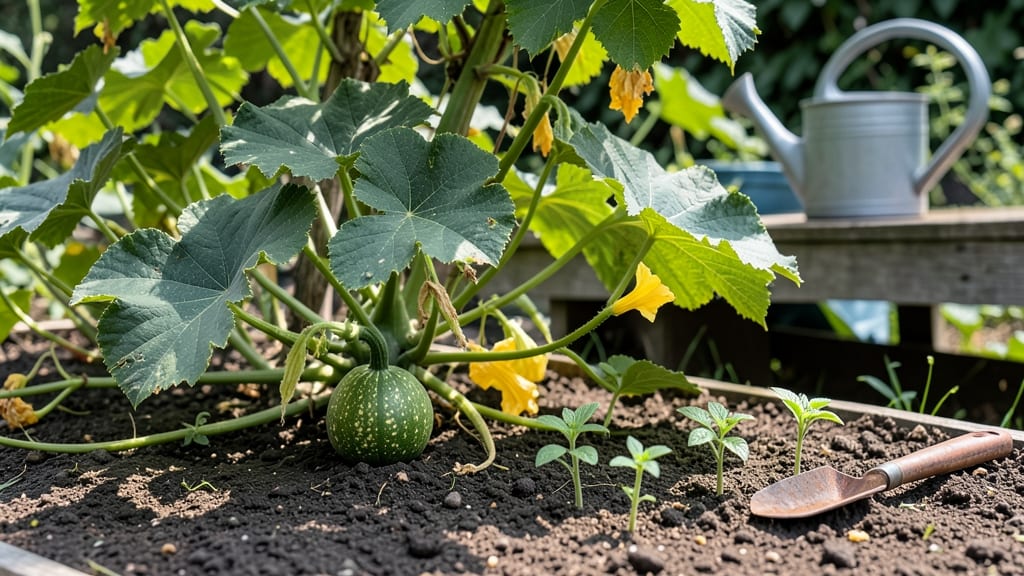
Crookneck squash spacing determines whether your garden yields bountiful harvests or stunted, pest-prone plants 🎃.
If you've ever watched your squash vines sprawl wildly, only to produce small, misshapen fruit, you know the struggle. The right spacing isn't just about fitting more plants—it's about creating an environment where air circulates, diseases stay away, and vines grow strong enough to support heavy fruit.
For bush varieties, you'll want 3-4 feet between plants and 4-5 feet between rows, while vining types need even more room to sprawl—up to 6 feet between vines.
These measurements might seem generous, but they're the difference between a garden full of healthy, productive plants and one that's fighting for space and resources.
In this guide, I'll break down the exact spacing rules for both bush and vining crookneck squash, share pro tips for maximizing growth in small spaces, and help you avoid common mistakes that can ruin your harvest before it even starts.
Optimal crookneck squash spacing by variety type (bush vs vining)
Getting your crookneck squash spacing right is the difference between a bountiful harvest and a struggling garden. These squash varieties come in two main types: bush varieties that stay compact and vining varieties that spread aggressively.
Each type has specific spacing needs to maximize yield and plant health. Let's break down the science behind spacing to help you plan your garden like a pro.
Proper spacing isn't just about fitting more plants—it's about creating an environment where each vine gets enough air circulation, nutrients, and sunlight. Crowded plants lead to powdery mildew, stunted growth, and fewer fruits.
Whether you're working with bush crooknecks or sprawling vines, these guidelines will help you optimize your space for bigger, healthier squash.
Why spacing matters goes beyond yield. Adequate space prevents disease spread by reducing humidity around leaves, makes harvesting easier, and allows vines to develop strong root systems. For vining varieties, proper spacing also determines whether you'll need trellising support or can let them sprawl naturally.
For bush crookneck varieties, maintaining 24-36 inches between plants gives each vine enough room to develop without competing for resources. This spacing also makes it easier to spot pests early and harvest squash before they overripe.
In my garden, I've found that 36-inch spacing works best for varieties like 'Early Prolific Straightneck' when I want to maximize yield without sacrificing plant health.
When growing vining crookneck squash, the 36-48 inch spacing becomes crucial because these varieties can spread 6-10 feet or more. Without proper spacing, vines tangle, creating humid microclimates that invite fungal diseases.
I recommend using trellising systems for vining types—this not only saves space but also keeps fruits off the ground, reducing rot risk.
If you're working with limited garden space, consider interplanting bush crooknecks with faster-maturing crops like radishes or lettuce. The squash will shade out weeds while the smaller plants benefit from the squash's broad leaves.
For vining types, vertical gardening is a game-changer—using cattle panels or sturdy trellises lets you grow these squash in narrow spaces while keeping fruits accessible.
One common mistake I see is treating all crookneck varieties the same. Bush types can handle tighter spacing than vining ones, but squeezing vining varieties too close leads to poor fruit development and increased pest pressure.
Always check your seed packet for specific variety recommendations—some modern hybrids are bred for tighter spacing while maintaining high yields.
For container gardening, bush crooknecks thrive in 15-gallon pots with one plant per container. Add compost-rich potting mix and a slow-release fertilizer to compensate for limited root space. Vining types need larger containers (20+ gallons) or vertical support structures to prevent root binding and ensure proper growth.
Remember, these spacing guidelines assume fertile, well-draining soil and consistent watering. If your soil is poor, you can reduce spacing slightly—but never below the minimum recommendations. The key is balancing plant density with airflow and sunlight access to create the perfect environment for your crookneck squash to thrive.
With the right spacing, you'll enjoy healthier plants, fewer pests, and bigger squash all season long. Start with these guidelines, then adjust based on your garden's specific conditions—your future harvest will thank you! 🎃
5 Pro tips to maximize crookneck squash growth in limited spaces
Limited space shouldn't mean limited squash! With the right strategies, you can grow abundant crookneck squash even in small gardens or containers. The key lies in smart spacing, vertical growth, and companion planting to maximize every inch of your growing area while maintaining plant health.
Crookneck squash thrives with proper airflow and sunlight, but tight spaces can lead to powdery mildew or stunted growth. By implementing these pro tips, you'll create an efficient growing system that boosts yield without compromising plant quality or spacing rules.
- 1 Companion Planting: Pair crookneck squash with bush beans or marigolds to deter pests and improve growth. Avoid planting near potatoes or fennel, which compete for nutrients.
- 2 Vertical Gardening: Train vining varieties up trellises or cages to save space. Use sturdy supports like bamboo stakes or wire mesh to guide vines upward, freeing up ground space for other plants.
- 3 Prune Strategically: Trim excess leaves and side shoots to improve airflow and direct energy to fruit production. Focus on removing leaves near the soil to reduce disease risk from moisture buildup.
- 4 Container Hacks: Use large containers (12+ inches deep) with well-draining soil. Plant 2-3 seeds per container and thin to the strongest vine. Add compost to the soil for nutrient-rich growth.
- 5 Soil Prep: Amend soil with aged compost and a balanced fertilizer (10-10-10) before planting. Mulch with straw to retain moisture and suppress weeds, which helps maintain healthy spacing between plants.
Start by preparing your soil with a nutrient-rich mix to give your squash plants a strong foundation. Even in limited spaces, proper soil preparation can make a significant difference in plant health and productivity.
Use a mix of compost and organic matter to ensure your plants have access to essential nutrients.
When planting, remember that proper spacing is crucial for preventing disease and encouraging strong growth. Even in containers, maintain at least 2 feet between plants to allow for adequate airflow. This simple step can drastically reduce the risk of fungal infections and pests.
Harvest your crookneck squash regularly to encourage more production. Removing mature fruits prompts the plant to produce new ones, maximizing your yield in even the smallest of spaces. Aim to harvest when the neck begins to curve and the skin is firm to the touch.
With these tips, you'll transform limited spaces into productive squash-growing areas. Whether you're using containers, trellises, or companion planting, your crookneck squash will thrive and reward you with a bountiful harvest. Happy gardening! 🎃