
Plants
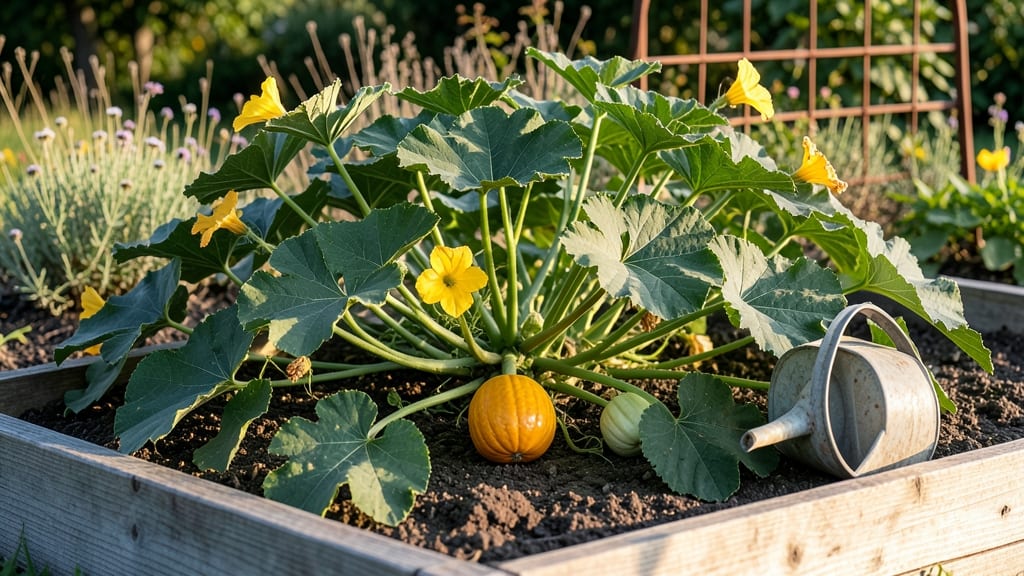
Buttercup squash looks like a small, round, deep-yellow or golden-green fruit with a ribbed, slightly bumpy skin and a stem that tapers to a point. Its smooth surface and compact shape distinguish it from other winter squash varieties like acorn or butternut.
Buttercup squash stands out with its miniature pumpkin-like appearance, typically weighing between 1-3 pounds when ripe. The golden-yellow or pale green skin often features faint vertical ridges that give it a textured, almost sculpted look.
Unlike its elongated cousins, this squash sits proudly on the vine like a tiny globe, making it instantly recognizable. 🌟
What really sets it apart is its thick, sturdy stem—unlike delicate zucchini stems, this one feels substantial and tapers to a pointed end. When held, the squash feels surprisingly heavy for its size, thanks to its dense, sweet flesh.
Many gardeners love spotting it because it resembles a miniature pumpkin but with a more refined, almost elegant shape.
💡 In This Article
- Distinctive Traits of Buttercup Squash vs Other Winter Squash
- How to Identify Buttercup Squash in Grocery Stores and Farms
Distinctive traits of buttercup squash vs other winter squash
The buttercup squash's most striking feature is its globular, almost pumpkin-like shape, but scaled down to a manageable size of 3-5 inches in diameter. Unlike acorn squash—its closest relative—which has a more oblong form with pronounced ridges, buttercup maintains a perfectly round silhouette.
The skin's golden-yellow or pale green hue also sets it apart from butternut squash, which typically sports a tan or cream color with a long neck. 🌟
What makes buttercup truly unique is its subtle ribbing pattern, which runs vertically rather than horizontally like delicata squash. These ridges are shallow and evenly spaced, creating a textured surface that feels almost sculpted when touched.
The stem, another key identifier, is thick and tapered, often resembling a miniature version of a pumpkin stem, while butternut squash stems are slender and straight. These differences become especially apparent when comparing side by side.
The squash's weight-to-size ratio is another telltale sign—it feels surprisingly heavy for its small stature, typically weighing 1-3 pounds when fully ripe. This density comes from its thick, sweet flesh, which contrasts with the lighter, more fibrous texture of acorn squash.
The compact form also makes it easier to handle in the kitchen, unlike elongated varieties that require more space for storage and prep. 💛
Color variations provide additional clues: buttercup squash often develops a richer yellow tone as it ripens, while some varieties may retain a faint greenish cast. This contrasts with kabocha squash, which has a deep green skin with a glossy finish.
The buttercup's skin also lacks the waxy sheen found on butternut squash, giving it a more matte appearance. These visual and tactile differences help even novice gardeners distinguish it instantly.
When comparing to delicata squash, the buttercup's smoother surface and lack of pronounced stripes become obvious. Delicata's skin often features horizontal rings that resemble a barrel, while buttercup maintains its rounded, almost seamless look.
The stem's thickness further differentiates it—delicata stems are thinner and more delicate, while buttercup's feels sturdy and well-anchored. 🌟
These visual and structural differences aren't just cosmetic; they influence how each squash grows, stores, and cooks. Buttercup's compact shape makes it ideal for small gardens or containers, while its thicker skin means it stores well for 2-3 months at room temperature—longer than many of its more delicate cousins.
This combination of aesthetics and practicality is what makes buttercup a favorite among home growers and chefs alike.