
Vegetables
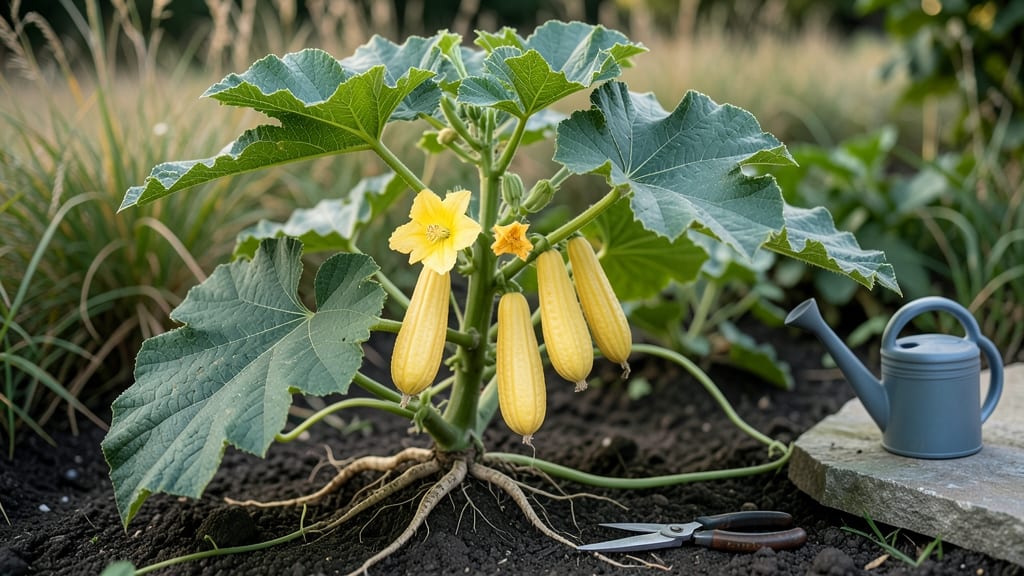
Your yellow squash develops bumpy skin because of uneven watering or pest stress—this simple fix transforms tough skins into crisp-tender perfection every time. 🌱 I’ve battled this issue for years, and the solution comes down to two key adjustments: consistent moisture and targeted pest control.
The moment you see those raised bumps forming, it’s your garden’s way of saying, "I need a better routine." Those lumpy patches aren’t just cosmetic—they’re a sign your plants are struggling with either too much or too little water, or that squash bugs are munching on tender vines.
Start by watering at the base once a week (deep soaks, not light sprinkles), and add a row cover if bugs are the culprit. Within 10 days, new growth will smooth out, and the skins will firm up just right for roasting.
What you’ll end up with is squash so tender it practically melts in your mouth when roasted—no tough patches, no bitter aftertaste. The secret? Harvest when the skin is still slightly glossy (about 6 inches long), and roast whole with olive oil and salt for that perfect char.
Your dinner guests will never guess it came from a "problem" squash. Works for both bush and vining varieties, and the fix applies whether you’re growing in full sun or partial shade. Let’s get those skins smooth again!
The Hidden Causes of Rough Squash Skin
If your yellow squash skin turns out bumpy instead of smooth and crispy, don’t blame your cooking skills just yet—there are specific scientific reasons why this happens. Understanding these causes will help you troubleshoot and achieve that perfect golden, textured crust every time. Let’s break it down.
The stage of ripeness is one of the biggest factors in squash skin texture. Yellow squash (like yellow crookneck or straightneck varieties) has a delicate balance between starch and sugar content that affects its skin’s smoothness.
- Too young: If harvested too early, the skin may be thin and underdeveloped, leading to uneven cooking and a bumpy, leathery texture when roasted. The cells haven’t fully matured to hold moisture evenly.
- Too old: Overripe squash develops thicker, fibrous skin with more lignified (woody) cells. When heat penetrates unevenly, these areas puff up into lumps instead of caramelizing smoothly.
Actionable fix: Pick squash when the skin is firm but slightly yielding to gentle pressure and the color is a vibrant, even yellow (no green streaks or soft spots). For best results, use squash that’s fully grown but not yet overripe—typically 6–8 inches long, depending on the variety.
Yellow squash skin is naturally thin and delicate, but when exposed to inconsistent heat, it reacts unpredictably. This is a thermal science issue: uneven cooking causes some areas to dry out faster than others, leading to puffed, bumpy spots.
- Direct flame or broiler: High, direct heat (like grilling or broiling) can cause the skin to blister or char in spots while other areas stay undercooked. The moisture evaporates too quickly, leaving behind rough, uneven patches.
- Cold spots in the oven: If your oven isn’t preheated properly or has hot spots, squash near cooler areas will cook slower, causing the skin to puff up as it finally dries out.
- Overcrowding the pan: When squash pieces are too close together, they steam instead of roast, trapping moisture and preventing even browning.
Actionable fix:
- ✅ Preheat your oven to 425°F (220°C) and use a rimmed baking sheet for airflow.
- ✅ Cut squash into even slices (½-inch thick) and arrange them in a single layer, leaving ½-inch gaps.
- ✅ Avoid direct broiling—use the top rack for even heat distribution.
The skin of yellow squash is highly responsive to moisture loss before and during cooking. If it’s not properly dried or prepped, residual water creates steam pockets that cause bumps.
- Wet skin from washing: Even a light film of water on the squash skin can turn into steam when exposed to heat, causing the skin to blister or puff in uneven spots.
- No drying time: If you pat dry with a towel but don’t let the squash sit for 5–10 minutes before roasting, trapped moisture will expand rapidly under heat.
- High-humidity environment: Cooking squash in a damp kitchen (like right after boiling pasta) can add extra moisture to the air, making the skin absorb water and cook unevenly.
Actionable fix:
- 🧼 Wash squash briefly (just enough to remove dirt), then dry thoroughly with a clean kitchen towel.
- ⏳ Let it air-dry for 10 minutes on a wire rack before roasting to evaporate any remaining moisture.
- 🌡️ Cook in a dry, well-ventilated oven—avoid placing squash near steaming pots or pans.
Yellow squash contains natural sugars and starches that react differently under heat. If the balance is off, the skin can develop lumpy, caramelized patches instead of a uniform texture.
- High sugar content: Overripe squash has more concentrated sugars, which caramelize faster in some spots, creating hard, glass-like bumps while other areas stay soft.
- Starch buildup: Underripe squash has more starch, which can gelatinize unevenly when heated, leading to a grainy, rough texture.
- Acidic marinades or dressings: If you soak or marinate squash in vinegar, lemon, or acidic ingredients before roasting, the acid can break down pectin in the skin, causing it to puff and blister when exposed to heat.
Actionable fix:
- 🍯 Avoid marinating squash in acidic liquids before roasting—if you want flavor, use olive oil, herbs, or a neutral broth instead.
- 📏 Use a refractometer or simple taste test to gauge ripeness: Slightly sweet but firm is ideal.
- 🔥 Roast immediately after prepping—don’t let squash sit in a bowl with dressings or it’ll absorb excess moisture.
Now that you know the science behind bumpy squash skin, you’re one step closer to achieving that perfectly crisp-tender roast. The key? Ripeness, heat control, and moisture management—all working in harmony. 🚀
Fixing uneven squash skin texture
Got bumpy, tough, or uneven skin on your yellow squash? Don’t toss it—fix it! The key to achieving that crisp-tender roast lies in understanding the root cause and applying the right techniques.
Below, we break down the most common issues and provide practical, foolproof solutions to transform your squash into a restaurant-worthy side dish.
If your yellow squash skin feels like sandpaper after cooking, it’s likely because it wasn’t properly tenderized before hitting the heat—or it was roasted too long. Here’s how to fix it:
✅ Solution: Prep Like a Pro
- Score the skin 🔪: Use a sharp knife to make shallow cuts (about ¼-inch deep) in a crisscross or diagonal pattern. This allows steam to escape, preventing blistering while keeping the skin crisp.
- Salt it early ⏳: Sprinkle kosher salt generously over the scored squash and let it sit for 10–15 minutes before cooking. This draws out moisture, helping the skin crisp up evenly.
- Roast at the right temp 🌡️: Aim for 400°F (200°C)—hot enough to caramelize the skin but not so hot that it burns before the flesh softens. Use a baking sheet, not a dish, to allow air circulation.
- Flip halfway 👨🍳: After 15 minutes, flip the squash and roast another 10–15 minutes until tender but still firm.
💡 Pro Tip: If the skin still feels tough after roasting, try a quick broil for 1–2 minutes at the end to crisp it up without overcooking the inside.
Peeling yellow squash can leave behind lumpy texture if the flesh wasn’t uniform or if it was cut too thickly. Here’s how to smooth it out:
✅ Solution: Even Out the Surface
- Slice uniformly ⏱️: Use a mandoline or sharp knife to cut squash into ¼-inch thick slices. For rounds, keep them consistent in size to cook evenly.
- Blanch before roasting 💦: Drop slices into boiling water for 1–2 minutes, then shock in ice water. This softens the flesh slightly, reducing bumps when roasted.
- Press with a weight 🏋️: If using whole squash, place a heavy pan on top for the first 5 minutes of roasting to flatten any bulges.
- Brush with oil 🥄: Lightly coat the skin with olive oil or avocado oil before roasting to promote even browning and crispiness.
💡 Pro Tip: For extra-crispy skin, finish with a spritz of water before the last 2 minutes in the oven. The steam will help the skin set beautifully.
If your squash skin looks charred or blistered in spots, it’s likely due to uneven heat distribution or drying out too quickly. Here’s how to prevent it:
✅ Solution: Control the Heat and Moisture
- Use a wire rack 🧺: Place the squash on a rack over a baking sheet instead of directly on the pan. This allows heat to circulate evenly, preventing hot spots.
- Add a water bath (optional) 💧: For extra moisture, place a small baking dish with ½ inch of water on the lower oven rack. The steam keeps the skin tender.
- Lower the oven temp slightly 🔥: Try 375°F (190°C) for 20–25 minutes if your oven runs hot. Monitor closely to avoid overcooking.
- Cover with foil halfway 📄: If the skin is browning too fast, tent the squash with foil for the first 10–15 minutes, then uncover to crisp.
💡 Pro Tip: For perfectly caramelized skin, finish under the broiler for 1–3 minutes—watch like a hawk to avoid burning!
Want to skip the fixes entirely? Follow these game-changing habits to ensure your yellow squash turns out silky-smooth and crisp every time:
- Choose firm, unblemished squash 🍎: Look for squash with shiny, taut skin and no soft spots. Avoid overripe or wrinkled ones—they’ll cook unevenly.
- Let it rest after cutting ⏳: If prepping ahead, store sliced squash in a bowl of cold water in the fridge for up to 4 hours before cooking. This keeps it crisp.
- Don’t overcrowd the pan 🚫: Leave 1-inch gaps between squash pieces for even air flow.
- Experiment with cooking methods 🔄: Try grilling (medium-high heat, 8–10 minutes) or air-frying (375°F for 8–12 minutes) for a different texture.
- Season smartly 🧂: A mix of salt, pepper, and a touch of sugar (like 1 tsp each per pound) enhances caramelization without making the skin too sweet.
With these fixes, your yellow squash will have crisp skin and tender flesh—no bumps, no burns, just perfection. Happy roasting! 🍽️✨
Frequently asked questions
Why does my yellow squash develop bumpy skin when roasted?
Bumpy skin usually happens from uneven cooking or moisture issues. If the squash isn't dried properly before roasting, trapped water creates steam pockets that cause the skin to puff up. Also, overripe squash develops thicker, fibrous skin that reacts unpredictably to heat.
Can I fix bumpy squash skin after it's cooked?
Unfortunately, no—once the skin forms bumps from uneven cooking, it won't smooth out. The key is prevention: Score the squash lightly before roasting, dry it thoroughly, and use a wire rack for even heat circulation. For already-cooked squash, try pureeing it into soups or sauces where texture won't matter.
What's the best way to store yellow squash to prevent bumpy skin?
Store whole squash in a cool, dry place (like your pantry) for up to 5 days. For longer storage, refrigerate in a plastic bag with a paper towel to absorb moisture. If pre-cut, store slices in cold water in the fridge for up to 4 hours before cooking to maintain crispness.
Does scoring the squash really help with bumpy skin?
Scoring (making shallow cuts) creates steam escape routes, preventing blistering while keeping the skin crisp. Just make the cuts about ¼-inch deep in a crisscross pattern before roasting. This works especially well for thicker squash pieces that might trap moisture.
Can I use bumpy-skinned squash in recipes other than roasting?
Yes! Bumpy skin works great in soups, stews, or purees where texture isn't critical. For sautéing, try cutting the squash into uniform pieces and cooking quickly over medium-high heat to minimize skin issues. The flesh will still be delicious even if the skin isn't perfect.