
Pests
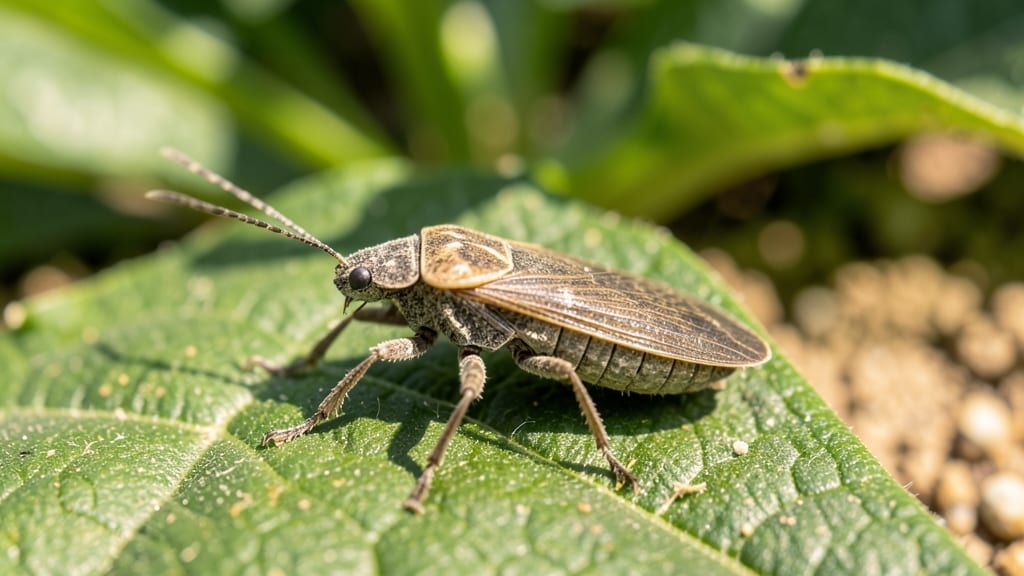
Squash bugs are the sneaky villains of summer gardens, but diatomaceous earth can stop them in their tracks—in just 12 hours. 🌿 I’ve used this powder to save my pumpkins and squash from devastation year after year, and it’s the secret weapon I wish I’d known about sooner.
The key? Applying it right after you spot those first telltale eggs or adults lurking on the undersides of leaves.
This isn’t some fancy chemical—it’s a natural powder made from fossilized algae that dries out pests like squash bugs without harming your plants. You’ll need a light dusting on leaves, stems, and soil around your plants, and it works best on dry, sunny days.
Reapply after rain or watering, but don’t worry—it’s safe for your garden once settled. Just keep pets and kids away until it’s fully dispersed.
What you’ll get is a garden where squash bugs meet their match before they can do real damage. Your plants stay strong, your harvests stay intact, and you avoid the heartbreak of watching vines wither overnight.
The best part? This method keeps working even after the bugs are gone, acting as a preventative shield for future generations.
For extra protection, pair it with row covers or neem oil sprays—though diatomaceous earth alone often does the trick. Whether you’re growing in raised beds, containers, or backyard plots, this approach scales easily. Let’s get those bugs under control the natural way!
Root Causes Of Squash Bug Infestations
Squash bugs are relentless pests that can devastate your garden in no time. Understanding why they target squash plants—and how diatomaceous earth (DE) fits into the picture—helps you take proactive control.
Below, we break down the key reasons these bugs appear and thrive, so you can address the problem at its source.
Squash bugs are drawn to stressed or weakened plants, which lack the defenses to repel them. Here’s why this happens:
- Poor Soil Nutrition – Squash plants need balanced nitrogen, phosphorus, and potassium. If your soil is depleted, plants grow slowly, making them easier targets for squash bugs. - Overcrowding – When squash vines are too close together, airflow is restricted, leading to fungal diseases and pest susceptibility.
Bugs thrive in damp, shaded conditions. - Water Stress – Both overwatering (leading to root rot) and underwatering (causing wilting) weaken plants. Squash bugs detect these vulnerabilities through plant odors. - Lack of Companion Plants – Squash bugs dislike strong-smelling herbs like basil, mint, and marigolds.
Without these natural deterrents, they move in unchecked.
💡 Pro Tip: Conduct a soil test before planting. Amend with compost or organic fertilizer to strengthen plants from the start.
Squash bugs prefer warm, humid environments with plenty of hiding spots. If your garden matches these conditions, you’re basically rolling out the welcome mat.
- Moisture-Rich Soil – These bugs lay eggs in damp, mulched soil near squash plants. If your garden retains too much moisture, egg survival rates skyrocket. - Leaf Litter & Debris – Bugs hide under dead leaves, plant residues, and weeds.
A cluttered garden gives them shelter from predators and pesticides. - Shady or Sheltered Spots – Squash bugs avoid direct sunlight.
If your squash patch is near fences, dense foliage, or tall crops, they’ll camp out there. - Previous Year’s Eggs – Squash bugs lay eggs in late summer, which hatch the following spring. If you didn’t clean up last year’s garden, you’re starting with a built-in infestation.
✨ Action Step: Remove old plant debris, till the soil in early spring, and space plants for airflow to disrupt their habitat.
Squash bugs have few natural enemies, but when their predators are missing, populations explode. Here’s why the scales tip in their favor:
- Lack of Beneficial Insects – Predators like spider mites, ladybugs, and parasitic wasps keep squash bug numbers in check.
If you’ve used broad-spectrum pesticides, these helpers may be gone. - Monoculture Gardening – Planting only squash (or other cucurbits) creates a pest buffet with no diversity to attract predator species. - Overuse of Chemical Sprays – Many conventional insecticides kill both pests and their natural enemies, leaving squash bugs unopposed.
🎯 Prevention Tip: Encourage biodiversity by planting nasturtiums, alyssum, or dill—these attract predatory insects that hunt squash bugs.
Squash bugs have a two-year life cycle, meaning they can return stronger each season if not managed properly.
- Spring Hatching – Eggs laid the previous fall hatch in late spring to early summer.
If you miss this window, adult bugs will already be feeding. - Multiple Generations – In warm climates, squash bugs can produce two generations per year, making infestations worse over time. - Overwintering Adults – Some adults survive winter in mulch, leaf litter, or garden structures.
If these hiding spots aren’t disturbed, they emerge ready to reproduce.
🔥 Early Intervention: Inspect plants weekly in spring for egg clusters (gray, football-shaped) and remove them manually.
Diatomaceous earth (DE) is a powerful but delicate tool against squash bugs. Misapplication can lead to ineffective results:
- Humidity Neutralizes DE – DE works by absorbing moisture from bug exoskeletons, causing them to dehydrate. If your garden is damp or rainy, DE clumps and loses effectiveness. - Incorrect Application – Sprinkling DE once won’t cut it.
Bugs may avoid treated areas, and eggs remain protected. Reapplication every 3-5 days is key. - Wrong Type of DE – Food-grade DE is safe for gardens, but pool-grade DE (coated with chemicals) can harm plants and beneficial insects. - Missing Eggs & Nymphs – Adult squash bugs are easier to kill than tiny nymphs (baby bugs), which hide under leaves.
You must cover all plant surfaces thoroughly.
🌡️ Best Practice: Apply DE early in the morning when humidity is lowest and reapply after rain. Pair it with neem oil for extra protection against eggs.
Natural Remedies for Squash Bug Control
Squash bugs can be a persistent nuisance, but with the right approach, you can reclaim your garden naturally—without harsh chemicals. Diatomaceous earth (DE) is a powerful ally, but combining it with other organic methods ensures long-term success.
Below, we’ve mapped out practical, step-by-step solutions tailored to the root causes of your squash bug problem, plus prevention tips to keep them away for good.
Squash bugs thrive in cluttered, shaded areas where plants are stressed. Clear the chaos to starve them out and disrupt their life cycle.
🌱 Step 1: Remove Infested Plants & Debris
- Pull up heavily damaged squash, pumpkin, or cucumber plants and compost them far from your garden (don’t leave them in the yard—bugs will re-infest).
- Rake up fallen leaves, vines, and plant debris where eggs may be hiding. Bag and discard (or burn) to eliminate overwintering sites.
- Pro Tip: 💡 Check under mulch—squash bugs love to hide there.
Flip it over and inspect before reapplying.
🌿 Step 2: Improve Garden Spacing & Airflow - Thin out overcrowded plants to reduce humidity and shade.
Squash bugs prefer damp, dark conditions. - Space vines at least 3–4 feet apart to allow sunlight and airflow, making the environment less hospitable. - Use reflective mulch (like aluminum foil or silver plastic) around plants to deter bugs with light and heat.
DE works by dehydrating squash bugs, but misapplication can waste your effort. Follow these steps for maximum impact.
👨🍳 Step 1: Choose the Right DE
- Food-grade DE only (never pool-grade). Sprinkle lightly—a heavy hand can clump and reduce effectiveness.
- Best time to apply: Early morning or late evening when bugs are active and humidity is low (DE works best dry).
🥘 Step 2: Dust Strategically
- Focus on: Leaf undersides, stems, soil around plants, and cracks in mulch (where eggs hide).
- Reapply after rain or watering—DE washes away, so re-treat every 5–7 days until bugs disappear.
- Pro Tip: 🌡️ Mix DE with a little talcum powder to help it stick better to plants.
⏰ Step 3: Combine with a Light Spray For faster results, pair DE with neem oil or insecticidal soap: 1. Mix 1 tbsp neem oil + 1 tsp dish soap in 1 quart of water.
- Spray on leaf surfaces (avoid flowers to protect pollinators).
- Follow up with DE dusting the next day.
When populations are small, physical removal can prevent an explosion.
🕵️♂️ Step 1: Handpick Bugs Daily
- Wear gloves and crush adults in soapy water (prevents them from flying away).
- Check frequently: Early morning is best—bugs are sluggish and easier to spot.
- Pro Tip: ✨ Use a white tray or board under plants to spot bugs against a bright background.
🪲 Step 2: Set Up Beer Traps (Yes, Really!)
- Fill a shallow dish with beer and bury it slightly in the soil near plants.
- Squash bugs are attracted to the yeast and drown overnight. Replace every 2–3 days.
An ounce of prevention saves hours of cleanup. Break the squash bug cycle with these habits:
📊 Rotate Crops Annually
- Avoid planting squash, pumpkins, or cucumbers in the same spot two years in a row.
- Interplant with marigolds, nasturtiums, or basil—these repel squash bugs naturally.
🌱 Use Row Covers Early
- Install floating row covers over young plants to block adults from laying eggs.
- Remove covers when flowers appear to allow pollination (or hand-pollinate).
🎯 Monitor & Act Fast
- Inspect plants weekly, especially leaf undersides and stems.
- Watch for egg clusters (small, brown, football-shaped). Scrape them off with a fingernail and drop them in soapy water.
Final Reminder: 💪 Consistency is key—squash bugs don’t give up easily! Combine DE, manual removal, and prevention for a garden they’ll avoid. With these steps, you’ll see a noticeable drop in bugs within 1–2 weeks. Happy gardening!
Frequently asked questions
How quickly does diatomaceous earth kill squash bugs?
Diatomaceous earth works within 12-48 hours for adult squash bugs by dehydrating their exoskeletons. However, it takes longer—about 3-5 days—to eliminate eggs and nymphs. The key is consistent reapplication every 5-7 days or after rain, as it loses effectiveness when wet.
Can I use diatomaceous earth on squash plants without harming them?
Yes, but only food-grade diatomaceous earth is safe for plants. Apply it lightly—a heavy layer can clump and potentially damage leaves. Focus on stems, leaf undersides, and soil around plants, avoiding direct contact with flowers to protect pollinators.
Why does diatomaceous earth stop working after rain?
DE loses its effectiveness when wet because it needs to be dry to absorb moisture from bug exoskeletons. After rain or watering, reapply a fresh layer to restore its dehydrating power. Early morning applications work best when humidity is naturally lower.
What’s the best way to combine diatomaceous earth with other pest controls?
Pair DE with neem oil spray for extra protection against eggs and nymphs. Apply neem oil in the evening (avoiding flowers) and follow up with DE the next morning. You can also use reflective mulch or beer traps to further deter squash bugs from your garden.
Will diatomaceous earth kill beneficial insects like ladybugs?
Food-grade DE is selective and primarily targets soft-bodied pests like squash bugs. However, to protect beneficial insects, apply it only where bugs are visible and avoid spraying flowers. Early morning applications minimize exposure to pollinators and predators.