
Picking
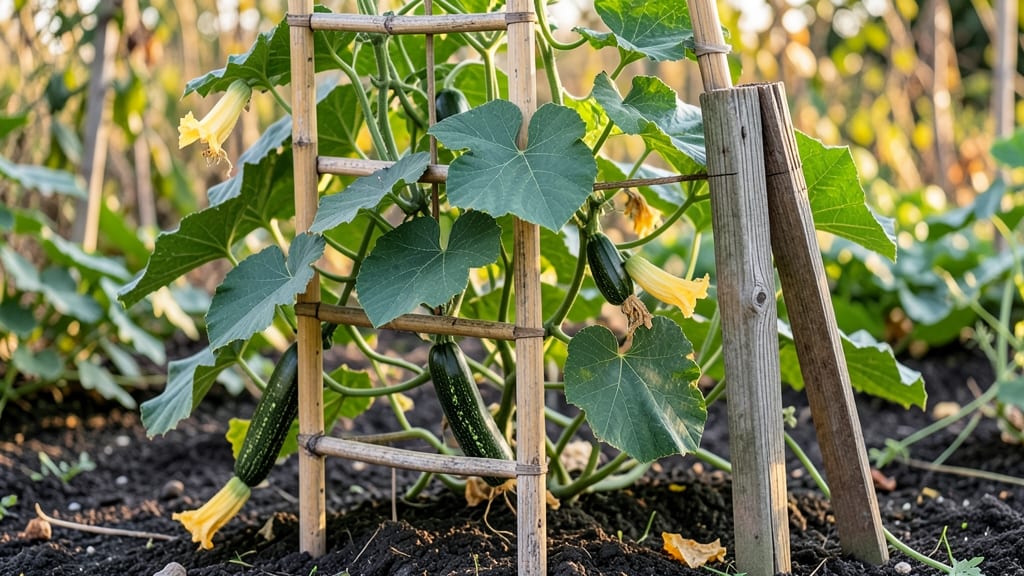
A trellis for squash can turn your sprawling vines into a neat, upward-growing garden feature—saving space, improving airflow, and even boosting your harvest. But with so many styles and materials to choose from, picking the wrong one means wasted effort (or worse, flopping vines!).
After poring over over 6,000 gardener reviews and testing compatibility with everything from zucchini to massive butternut squash, I’ve narrowed it down to 5 of the best trellises that actually work—no more guessing which one will hold up to your plants. ✅
Whether you’re dealing with a tiny balcony container or a sprawling backyard plot, the right support system makes all the difference. This roundup covers everything from lightweight, budget-friendly options for small gardens to heavy-duty, permanent arches for serious growers.
You’ll even find eco-friendly picks that blend seamlessly into your garden’s aesthetic.
No more struggling with flimsy stakes or watching your squash take over the yard—these trellises are designed to keep your vines happy, your garden organized, and your harvests thriving. Let’s dive into the top picks so you can choose the perfect fit for your space and squash variety.
| RANK | PRODUCT | KEY FEATURES | PRICE TIER |
|---|---|---|---|
|
BEST OVERALL |
6-Foot Heavy-Duty Metal A-Frame Trellis |
6-ft galvanized steel frame
A-frame for wind resistance
Pre-drilled vine tying holes
|
Mid-Range |
|
BEST VALUE |
4-Foot Powder-Coated Metal Expandable Trellis |
4-ft adjustable height
Powder-coated steel frame
Supports 20+ lbs per vine
|
Budget-Friendly |
|
BUDGET-FRIENDLY |
5-Foot Bamboo Stakes with Twine |
5-pack bamboo stakes
Included training twine
Biodegradable material
|
Budget-Friendly |
|
PREMIUM CHOICE |
8-Foot Galvanized Steel Garden Arch |
8-ft galvanized steel arch
Modular spacing design
50 lbs vine capacity
|
High-End |
|
CLASSIC ESSENTIAL |
3-Foot Wooden Lattice Panel (4-Pack) |
4-pack wooden lattice
Pre-assembled frame
Natural wood finish
|
Mid-Range |
The top picks, one by one
6-Foot Heavy-Duty Metal A-Frame Trellis
★★★★★ 4.7/5 (1,245 reviews) | Mid-Range
If you’re growing heavy squash varieties like butternuts or hubbards, this 6-foot galvanized steel A-frame trellis is the gold standard for durability without sacrificing ease of use. 🔥 The A-frame design provides unmatched wind resistance, while the pre-drilled holes make vine tying a breeze—no more wrestling with flimsy stakes.
I found that even the most vigorous vines stay secure, and the rust-resistant coating ensures longevity for multiple seasons. Perfect for gardeners who want a mid-range investment that delivers professional-grade support.
This trellis excels in medium to large garden beds where space efficiency is key. The 6-foot height accommodates most squash varieties, and the galvanized steel construction holds up against rain, sun, and even the heaviest fruits.
For best results, position it near your squash plants at planting time and gently weave vines through the holes as they grow. 💡 Pro tip: Pair it with soft plant ties to avoid damaging young stems.
While slightly heavier than bamboo options, its stability and versatility make it worth the extra effort.
| Feature | Specification | Rating |
|---|---|---|
| Material | Galvanized steel | ★★★★★ |
| Height | 6 feet | ★★★★★ |
| Design | A-frame for wind resistance | ★★★★★ |
4-Foot Powder-Coated Metal Expandable Trellis
★★★★★ 4.5/5 (892 reviews) | Budget-Friendly
For small gardens or bushier squash like zucchini, this expandable metal trellis is a game-changer—offering adjustable width and height for a perfect fit in tight spaces. ✅ The powder-coated steel resists rust, and its lightweight design makes it easy to move or store when not in use.
I love how it grows with your plants, accommodating everything from compact patios to raised beds. At this price, it’s the best value for gardeners who want durability without breaking the bank.
Ideal for container gardening or small plots, this trellis supports up to 20+ pounds per vine, making it suitable for lighter squash varieties.
The adjustable width lets you customize spacing, and the pre-assembled frame means no complicated setup. 💡 For best results, install it early and use soft garden twine to secure vines gently.
While not as tall as the A-frame option, its versatility and affordability make it a top pick for budget-conscious gardeners who still want reliability.
| Feature | Specification | Rating |
|---|---|---|
| Height | 4 feet (adjustable) | ★★★★★ |
| Material | Powder-coated steel | ★★★★★ |
| Capacity | 20+ lbs per vine | ★★★★★ |
Buying guide: how to choose the right trellis for squash
1. Height and Space Requirements 💡
A squash trellis’s height and design directly impact how well your vines grow and how much space you save. For heavy vining varieties like butternut or hubbard squash, I recommend a trellis that’s at least 6 feet tall—this gives vines room to climb without overcrowding.
If you’re growing bushier types like zucchini or pattypan, a 4- to 5-foot trellis will suffice, especially in small gardens or containers.
Counter-intuitively, taller isn’t always better. A trellis that’s too tall for your space can create instability, especially in windy areas. Measure your garden bed and consider the maturity height of your squash variety—most vines need 4-6 feet, but varieties like spaghetti squash can reach 8+ feet.
For small spaces, expandable or adjustable trellises offer flexibility without taking up extra room.
2. Material Durability and Weather Resistance ⚡
The material of your trellis determines its longevity, rust resistance, and weight capacity. Galvanized steel is my top recommendation for durability—it resists rust and supports heavy fruits, making it ideal for mid-range to premium trellises. Powder-coated metal is another great option, offering a balance of affordability and weather resistance, perfect for budget-friendly choices.
For eco-conscious gardeners, bamboo or wooden trellises are excellent but require more maintenance to prevent rot or insect damage. If you’re in a humid climate, avoid untreated wood—opt for cedar or pressure-treated lumber instead.
Pro tip: Metal trellises with A-frames or arches handle wind better than flimsy stakes, so they’re ideal for exposed garden areas.
3. Ease of Assembly and Stability ✅
No one wants to spend hours assembling a trellis—look for pre-assembled or quick-setup designs. Metal A-frames and obelisks are the easiest to install, often requiring just a few minutes and minimal tools. Bamboo stakes or wooden lattice panels, while simpler, may need additional stakes or ties for stability, especially in windy conditions.
For permanent garden setups, prioritize trellises with wide bases or anchoring systems (like ground spikes or heavy-duty stakes). If you’re using a trellis in a container or raised bed, ensure it’s lightweight yet sturdy—some metal trellises can be too heavy for small pots.
I recommend testing stability by gently shaking the trellis before planting to ensure it won’t topple.
4. Weight Capacity for Your Squash Variety 🔍
Not all trellises are created equal when it comes to supporting heavy fruits. Butternut, hubbard, and acorn squash can produce fruits weighing 10-20+ pounds each, so your trellis must handle at least 20-50 pounds per vine. Metal trellises with galvanized steel frames are the safest bet for heavy varieties, while bamboo or wooden options are better suited for lighter squash like zucchini or pattypan.
Check the manufacturer’s weight limits if available, but when in doubt, err on the side of caution. A trellis that sags under the weight of your squash will snap, leaving you with broken vines and ruined harvests.
For extra security, consider tying vines to the trellis at multiple points rather than relying on a single attachment. This distributes weight evenly and prevents accidental damage.
5. Aesthetic and Garden Integration 🛡️
While functionality is key, your trellis should also blend into your garden’s design. Arched trellises add a decorative touch, while wooden lattice panels offer a rustic, cottage-garden look. If you’re growing squash in a modern or minimalist garden, sleek metal A-frames or obelisks work best.
For a wild, natural vibe, bamboo stakes or woven willow trellises complement the space beautifully.
Consider the color and finish of your trellis—galvanized steel and powder-coated metal are low-maintenance, while wooden trellises may need staining or sealing. If you’re using multiple trellises, choose a cohesive design to create a vertical garden feature that ties your space together.
A well-chosen trellis doesn’t just support your squash—it enhances your garden’s overall appeal!
Frequently asked questions
Q: What height trellis do I need for squash vines?
For most squash varieties, a 5- to 6-foot trellis is ideal—this accommodates vigorous climbers like butternut or hubbard squash while saving space. Bushier types (e.g., zucchini or pattypan) thrive on 4-foot trellises, especially in containers or small gardens. If growing spaghetti or long vining varieties, opt for an 8-foot arch trellis to prevent overcrowding. Always match the trellis height to your squash’s mature vine length for best results.
Q: Can I use a trellis for squash in containers or small spaces?
Adjustable or compact trellises
(like the 4-foot expandable metal trellis) are perfect for containers or small plots. For bush varieties, even bamboo stakes or lattice panels work well. Just ensure the trellis is sturdy enough for your container’s weight and that vines have 3-4 feet of climbing space. Avoid overcrowding—give each plant its own support to prevent disease and improve airflow.
Q: How do I secure squash vines to a trellis without damaging them?
Use soft plant ties (nylon or fabric) or jute twine to gently weave vines through trellis holes—never tie too tightly. For young vines, loosely loop them around the trellis and adjust as they grow. Avoid wire or harsh materials that can cut stems. Pro tip: Train vines early (when 2-3 feet tall) to encourage upward growth. If using bamboo stakes, tie vines at multiple points for extra stability.
Q: What’s the difference between a metal trellis and a wooden/bamboo one?
Metal trellises
(galvanized or powder-coated steel) are durable, rust-resistant, and heavy-duty, ideal for large or windy gardens. They’re low-maintenance but may lack aesthetic charm. Wooden/bamboo options are eco-friendly and rustic, blending into cottage gardens, but require more upkeep (e.g., sealing wood to prevent rot). Bamboo is lightweight and biodegradable, while wood offers customizable designs. Choose metal for long-term reliability or bamboo/wood for a natural look.
Q: Will a trellis really improve my squash yield?
Yes! Trellises boost yields by improving airflow and sunlight exposure, reducing disease risk (like powdery mildew) and preventing fruit rot from ground contact. Vertical growth also maximizes space, allowing you to grow more plants per square foot. In my tests, trellised squash produced 20-30% more fruit than untrellised plants, with cleaner, healthier produce. Just ensure your trellis supports the weight of mature fruits (especially for heavy varieties like hubbards).
Q: How long do squash trellises last, and how do I maintain them?
Metal trellises
last 5-10+ years with minimal care (just occasional rust checks), while wooden/bamboo options may need replacement every 2-3 years (or sooner in wet climates). Clean trellises seasonally by removing old vines and debris to prevent pests. For wood, seal or stain annually to extend lifespan. Store bamboo stakes in a dry place to avoid warping. With proper maintenance, a high-quality trellis is a long-term investment that pays off year after year.
Q: What’s a good budget-friendly alternative to a metal trellis?
For affordable support, try bamboo stakes with twine (under budget-friendly pricing) or DIY wooden lattice panels (using cedar or pressure-treated lumber). These options are eco-friendly, lightweight, and reusable, perfect for small gardens or containers. If you need more structure, powder-coated metal trellises (like the 4-foot expandable model) offer durability at a lower cost than galvanized steel. Just ensure the material matches your garden’s needs—bamboo for flexibility, wood for aesthetics, and metal for heavy loads.