
Container Gardens
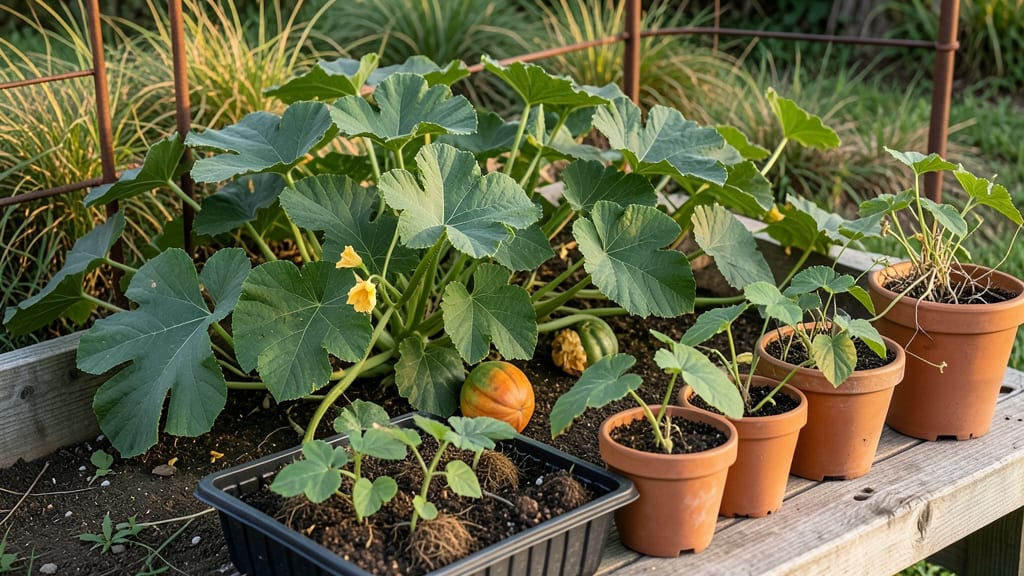
Growing acorn squash in containers lets you enjoy that sweet, nutty harvest even when space is tight. 🌱 I learned the hard way that these vines need more room than you'd think—and the right soil mix makes all the difference.
What started as a balcony experiment now gives me enough squash for roasting all winter.
The secret is choosing a container at least 18 inches wide and deep, with drainage holes. Fill it with a mix of potting soil and compost (half and half), and place it where it gets 6-8 hours of sunlight daily.
Too little light? The vines stretch weak, and the squash turns bitter. My first attempt in a shallow pot ended with sad, underfed plants.
By mid-summer, you'll see those classic acorn-shaped squash forming, their skin turning a deep, glossy green. The flavor? Richer than store-bought, with a texture that's both firm and velvety when cooked. Just be ready to trellis the vines early—they grow fast and heavy.
Even in small spaces, this works. I've grown them on patios, balconies, and even in large pots on my driveway. The key is patience: harvest when the skin turns hard and the stem starts to dry. One plant gives 3-5 squash, enough to share with neighbors or freeze for later.
📚 In This Guide
- What you need
- Instructions
- Tips and common mistakes
- Wrapping up and next steps
What you need
- ● Container: A 5-gallon fabric grow bag or a large pot (at least 12–18 inches deep and 18–24 inches wide) with drainage holes. Pro tip: 💡 Use a self-watering pot to save time!
- ● High-quality potting mix: A well-draining, nutrient-rich blend (avoid garden soil—it compacts!). Look for mixes labeled for vegetables or container gardening.
- ● Acorn squash seeds: 2–3 seeds per container (thin to the strongest seedling later). Choose compact or bush varieties like ‘Table Queen’ or ‘Sweet Dumpling’ for containers.
- ● Compost or organic fertilizer: A balanced, slow-release fertilizer (like 10-10-10) or compost tea to boost growth.
- ○ Support structure: A small trellis, cage, or stakes (optional but helpful—acorn squash vines can sprawl!).
- ● Gloves (to protect your hands from prickly vines).
- ● Trowel or small shovel (for planting and soil adjustments).
- ● Watering can or hose with a gentle nozzle (avoid overhead watering to prevent disease).
- ○ Mulch (optional): Straw or shredded leaves to retain moisture and suppress weeds.
- ● Pruning shears (for trimming excess vines or yellowing leaves).
Step-by-step instructions for growing acorn squash in containers
Here's how to grow sweet, compact acorn squash even in small spaces—no yard needed.
🪴 Step 1: Choose the Right Containers and Soil Mix
Acorn squash needs room to spread, so pick containers at least 18 inches deep with a diameter of 24-30 inches. I use large fabric grow bags because they're lightweight and allow roots to breathe. Make sure each container has drainage holes—squash roots rot quickly in soggy soil.
Fill the bottom third with a mix of 50% perlite and 50% coconut coir to improve drainage. This prevents waterlogging while still holding moisture. Then fill the rest with a high-quality potting mix enriched with compost. The goal is loose, fluffy soil that lets roots expand easily.
🌱 Step 2: Plant Seeds at the Right Time and Depth
Start seeds indoors 2-3 weeks before your last frost date or sow directly into containers after all danger of frost has passed. Plant 2-3 seeds per container, burying them just 1 inch deep. Acorn squash seeds are large, so spacing them 6 inches apart gives them room to grow without crowding.
Press the soil gently around the seeds to ensure good contact. Keep the soil consistently moist but not soggy until germination. You'll see sprouts in 7-14 days, depending on your climate. Once seedlings appear, thin to the strongest one per container to avoid competition for nutrients.
☀️ Step 3: Provide Warmth and Sunlight for Strong Growth
Acorn squash thrives in full sun (6-8 hours daily), but if you're in a shadier spot, choose a location with at least 4-6 hours of direct sunlight. A south-facing window or a spot under a patio awning works well. If you're growing indoors, supplement with a grow light for 12-14 hours daily.
Keep soil warm by placing containers on a heat mat or in a sunny spot where temperatures stay above 60°F. Young plants need consistent warmth to grow strong stems. Once seedlings have 2-3 true leaves, you can gradually introduce them to outdoor conditions if you've started them indoors.
💧 Step 4: Water and Fertilize for Healthy Vines
Water deeply when the top 2 inches of soil feel dry. Acorn squash has shallow roots, so consistent moisture is key. Avoid wetting the leaves to prevent fungal diseases like powdery mildew. I water at the base in the morning so the foliage dries quickly during the day.
Feed plants every 2-3 weeks with a balanced liquid fertilizer (10-10-10) diluted to half strength. Once vines start spreading, switch to a fertilizer higher in phosphorus (like 5-10-5) to encourage flowering. Stop fertilizing once flowers appear—too much nitrogen can reduce fruit production.
✂️ Step 5: Prune and Support for Bigger Harvests
When vines reach 12-18 inches long, gently guide them along a trellis or cage to save space and improve air circulation. Prune any yellow or diseased leaves immediately to keep the plant healthy. I also pinch off the first few flowers to encourage the plant to focus on growing stronger vines before producing fruit.
Once squash begin forming, leave 2-3 fruits per plant and remove any smaller ones. Overcrowded squash compete for nutrients and stay small. Harvest when the skin turns a deep, matte orange and feels hard when pressed. A ripe acorn squash should weigh 2-4 pounds—don’t wait too long, or it’ll get tough and woody.
Tips & tricks for growing acorn squash in containers
Common pitfalls—and how to sidestep every one—when growing acorn squash in limited spaces.
Container Size Matters: I can't stress enough how important those 24-30 inch diameters are. I tried using 18-inch pots once and ended up with stunted plants that barely produced anything. The roots need that extra space to spread out horizontally. If you're working with smaller containers, consider using two 18-inch pots per plant instead of one—just make sure they're close enough for the vines to connect naturally.
Germination Secret: The 7-14 day germination window can feel like forever, but there's a trick to speed things up. After planting your 2-3 seeds at 1 inch deep, place the container in a warm spot (like on top of your fridge) to maintain soil temps around 70°F. This can cut germination time by nearly half. Just don't let the soil dry out during this critical window.
Sunlight Compromise: When you're working with only 4-6 hours of sunlight, position your containers to catch the most intense light possible—usually midday sun. I've had success placing them on a reflective surface like a white plastic tray to bounce extra light onto the plants. If you're supplementing with grow lights, position them just 6-12 inches above the plants for the 12-14 hours daily requirement.
Fertilizer Timing: That switch from 10-10-10 to 5-10-5 fertilizer is crucial once vines start spreading. I make the switch when I see the first tendrils reaching 12 inches long. Too much nitrogen too early will give you lush foliage but no fruit. And remember—once those first yellow flowers appear, it's time to stop fertilizing completely to let the plant focus its energy on fruit development.
Pro Tips for Grow Acorn Squash In Containers
- Common pitfalls—and how to sidestep every one—when growing acorn squash in limited spaces.
- Container Size Matters: I can't stress enough how important those 24-30 inch diameters are.
- Germination Secret: The 7-14 day germination window can feel like forever, but there's a trick to speed things up.
Frequently asked questions
Got questions about growing acorn squash in containers?
You’re not alone! Here are answers to the most common ones—from sunlight struggles to harvest tips.
How much sunlight does acorn squash need in containers?
Acorn squash thrives with 6–8 hours of direct sunlight daily. In containers, place them in the sunniest spot possible (even a balcony or patio works!). If sunlight is limited, supplement with a grow light for 12–14 hours/day. Watch for pale leaves or slow growth—a sign it’s not getting enough light.
When is the best time to plant acorn squash in containers?
Start seeds indoors 2–3 weeks before your last frost date (or direct-sow after soil temps hit 60°F+). For containers, use 5-gallon pots or larger and transplant seedlings when they’re 3–4 inches tall. In warm climates, you can plant as early as March–April.
How often should I water container-grown acorn squash?
Keep soil consistently moist but not soggy—water when the top 1–2 inches feel dry. Containers dry out faster, so check daily in hot weather. Mulch helps retain moisture. Overwatering can cause root rot, so ensure pots have drainage holes.
Why aren’t my acorn squash vines growing in containers?
Slow growth usually means insufficient sunlight, nutrients, or space. Check your container size (5+ gallons per plant is ideal), fertilize with a balanced organic fertilizer every 2–3 weeks, and prune crowded vines. If leaves yellow, it may need more magnesium (Epsom salt spray) or less water.
Can I grow acorn squash in small pots or hanging baskets?
No—acorn squash needs deep roots and space to sprawl. Use at least 5-gallon containers (bigger is better!). Hanging baskets won’t support the weight of squash. If space is tight, opt for bush varieties like ‘Table Queen’ or grow them vertically with a trellis (though squash may still need extra support).
Wrapping up and next steps
Growing acorn squash in containers is a rewarding way to enjoy fresh, homegrown produce—even with limited space or sunlight! 🌱 With the right container, soil, and care, you’ll soon be harvesting sweet, vibrant squash for soups, roasting, or baking. Start small, stay consistent, and don’t hesitate to experiment—your first harvest could be just a few months away!
Ready to dive in? Pick your container, prep your soil, and plant those seeds today! 🌱✨