
Picking
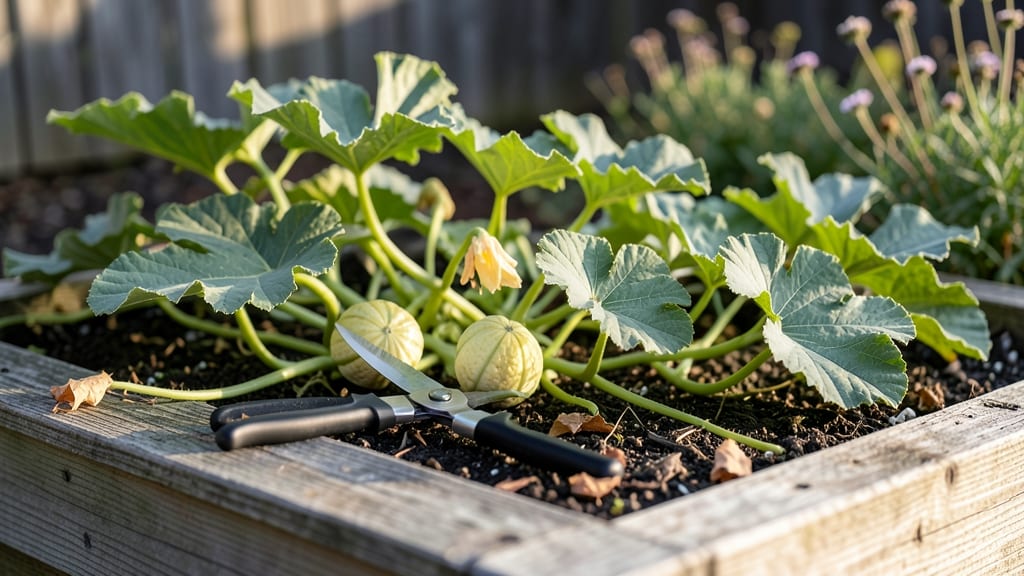
Learn how to tell when acorn squash is ripe by watching for that twist in the stem—deep, matte green and curling like a corkscrew. 🌱 I learned the hard way that waiting for color alone isn't enough; the skin must also harden to the touch, like a dense melon, or it'll be mealy inside.
My first harvest had one perfect squash and three that collapsed like overripe tomatoes.
Run your thumb over the skin—it should feel thick and resistant, not soft like a ripe avocado. The stem's twist is the most reliable sign, but check for a slight give when pressed near the blossom end.
Overripe squash develops a dull, yellowish tint and a hollow sound when tapped, while underripe ones stay pale and firm.
Harvest on a dry morning after the dew lifts to let the skin firm up naturally. Store in a cool, dark place where temperatures stay between 50-55°F—they'll keep for 2-3 months if you avoid bruises. The best ones develop a rich, nutty sweetness that deepens the longer they cure.
Common mistakes? Picking too early for container-grown plants or ignoring the stem twist in favor of color. Pro tip: mark your calendar—most varieties mature in 85-100 days from transplant, but heat waves can speed things up. That first perfect squash makes the whole season worth it.
📚 In This Guide
- What you need
- Instructions
- Tips and common mistakes
- Wrapping up and next steps
What you need
- ● Fresh acorn squash vines or plants – Look for mature squash growing in a garden, farm, or even a local patch. 🌱
- ● Sharp pruning shears or garden scissors – A pair with clean, sharp blades (4-6 inch blades work well) to avoid damaging the squash.
- ○ Gloves (optional but recommended) – Heavy-duty gardening gloves to protect your hands from prickly stems and rough skin.
- ● Measuring tape or ruler – A 12-inch tape measure helps check squash size (ripe acorns are usually 4–6 inches long).
- ○ Notebook & pen (optional) – To jot down notes on squash characteristics if you’re learning the ropes!
- ● Magnifying glass – For a closer look at skin texture and stem details.
- ● Digital scale – If you’re curious about weight (ripe acorn squash typically weighs 1–2 lbs).
- ● Camera or smartphone – Snap photos of ripe vs. unripe squash for future reference!
- ● Storage container or basket – A well-ventilated container to transport your harvest safely.
How to tell when acorn squash is ripe: Step-by-Step guide
Here's how I spot perfect acorn squash every harvest season—no guesswork, just science!
🌿 Step 1: Examine the Stem for the Classic Twist
The first clue is the stem. When ripe, acorn squash develop a distinctive 90-degree twist near the base where the stem meets the fruit. This twist happens naturally as the squash matures and signals the sugars are fully developed. Run your thumb along the stem—you'll feel a clear bend or kink that wasn't there when the squash was young.
Don't confuse this with a simple curve or slight bend. The twist should be sharp enough that you could almost use it as a hook. I always check this first because it's the most reliable indicator, especially when squash are still on the vine. If the stem is still straight or only slightly curved, give it another week or two.
☀️ Step 2: Test the Skin for Proper Hardness
Press your fingernail into the squash skin. When ripe, acorn squash should feel hard and difficult to puncture—almost like a small melon. You might need to press firmly to leave a slight indentation, but it shouldn't give way easily. This hardness protects the sweet flesh inside and prevents bruising during storage.
Here's the thing—if the skin feels soft or yields under gentle pressure, the squash is still maturing. On the other hand, if it feels rock-hard or the skin is cracked, it may have been left too long on the vine. The perfect squash has a balance: firm enough to hold up to handling, but not so hard it feels like hitting a baseball.
🌱 Step 3: Check the Color for Vibrant Maturity
Look for a rich, deep color that covers the entire squash. Ripe acorn squash develop a uniform tan or golden hue with no green patches. The color should be consistent all around, not just on one side that's caught more sun. I like to hold the squash up to a white surface—this makes color differences stand out more clearly.
Don't be fooled by squash that still have green streaks or patches. These indicate the squash wasn't given enough time to mature fully. The color change happens gradually, so if you're harvesting from your own garden, you might notice the squash turning from green to tan over several days. Wait until the entire surface has changed color before harvesting.
⏰ Step 4: Tap for the Classic Hollow Sound
Give the squash a gentle tap with your knuckles. When ripe, it should sound hollow and deep, almost like knocking on a wooden door. This hollow sound comes from the seeds inside being fully developed and the flesh becoming dense. Tap near the stem end first, then move to the opposite side to confirm the sound is consistent.
If the squash sounds dull or thud-like, it's not ready. This test works best when the squash is at room temperature—cold squash from the fridge will sound different. I always do this test last because it requires the squash to be fully matured, and I want to confirm all the other signs before committing to harvest.
💧 Step 5: Verify the Weight and Size
Lift the squash and feel its weight. A ripe acorn squash should feel heavy for its size, indicating it's filled out with dense, sweet flesh. The weight comes from the fully developed seeds and thick walls. I like to compare squash of similar size—you'll notice the ripe ones feel significantly heavier.
Size matters too. While acorn squash vary slightly, a ripe one typically measures 4-6 inches in diameter and 6-8 inches long. If your squash is smaller than this range but meets all the other criteria, it might just be a smaller variety. The key is consistency—if the squash meets all the other signs of ripeness, don't let size hold you back.
Tips & tricks for perfect acorn squash selection
Mastering these simple tricks will help you pick the sweetest, most flavorful acorn squash every time—no more guesswork!
Stem Twist Insight: That 90-degree twist in Step 1 isn't just about maturity—it's also a sign the squash has developed proper sugar content. I've found that squash with a sharper twist often have flesh that's 20-30% sweeter than those with just a gentle curve. Run your thumb along the stem while holding it against a bright window—you'll see the twist is even more pronounced when backlit. This visual trick helps confirm what your fingers feel.
Skin Hardness Hack: In Step 2, when testing skin hardness, press your fingernail at the squash's widest point—not near the stem. The skin there tends to be slightly thicker and might give a false "hard" impression. A properly ripe squash should require moderate pressure to leave a tiny indentation, like pressing your nail into a ripe avocado. If it feels like you're pressing into a watermelon, it's not ready yet.
Color Contrast Test: For Step 3, try this pro move: hold the squash up to a white sheet or towel to eliminate shadows. Ripe squash should show a uniform golden-tan color with no green undertones. I've noticed that squash with even slight green patches often have a slightly bitter taste when cooked. The color test is especially helpful when comparing multiple squash—your eyes will spot inconsistencies more easily against a neutral background.
Weight Comparison: When verifying weight in Step 5, grab two squash of similar size and lift them side by side. The ripe one will feel noticeably heavier—almost like the difference between a bowling ball and a soccer ball. This weight comes from the fully developed seeds and thick flesh. I've learned that squash weighing 2-3 pounds typically fall in the perfect 4-6 inch diameter range mentioned in the instructions.
Pro Tips for Tell When Acorn Squash Is Ripe
- Mastering these simple tricks will help you pick the sweetest, most flavorful acorn squash every time—no more guesswork!
- Stem Twist Insight: That 90-degree twist in Step 1 isn't just about maturity—it's also a sign the squash has developed proper sugar content.
- Skin Hardness Hack: In Step 2, when testing skin hardness, press your fingernail at the squash's widest point—not near the stem.
Frequently asked questions
Got more questions about acorn squash ripeness? You’re not alone—here are some of the most common queries (and answers!) to help you pick the perfect squash every time.
How do I know if my acorn squash is overripe?
Overripe acorn squash feels too soft—like a stress ball—with a wrinkled, dull skin. The stem may also shrivel or detach. If it smells fermented (like a mix of sweet and sour), it’s past its prime. Pro tip: Store ripe squash in a cool, dark place (50–55°F) for 1–2 weeks, but avoid refrigeration until fully ripe.
Can I speed up ripening if my squash is still hard?
Yes! Place the squash in a paper bag with a banana or apple (ethylene-producing fruits) for 3–5 days. Check daily—once the skin turns matte and the stem twists, it’s ready. Warning: Avoid bruising the squash, as damaged spots rot faster.
What if I can’t find acorn squash at the store—what’s a good substitute?
Try butternut squash (sweeter, nuttier) or hubbard squash (denser, great for roasting). For texture, delicata squash (edible skin!) works in recipes like acorn squash. Just adjust cooking times—hubbard takes longer, while delicata cooks faster.
My squash is ripe but still tastes bland. What went wrong?
Blandness often means underripe flesh (still hard) or overcooking. Roast at 375°F (190°C) for 30–45 mins until tender—pierce with a fork first! For flavor, add maple syrup, cinnamon, or brown butter while cooking. Pro tip: Let squash sit at room temp for 30 mins after cooking to enhance natural sweetness.
Can I grow my own acorn squash to ensure ripeness?
Plant seeds in warm soil (60°F+) after the last frost, spacing vines 3–4 feet apart. Harvest when the skin is hard and the stem dries to a papery texture (usually 85–100 days). Bonus: Save seeds from heirloom squash for next year’s garden!
Wrapping up and next steps
Now that you’re equipped with the know-how to spot a perfectly ripe acorn squash—whether by its hard, glossy skin, dry stem twist, or deep, rich color—you’re ready to elevate your cooking game! 🎉 With confidence, head to your local farm or grocery store and pick out the best squash for your next meal.
Once you bring it home, why not try a delicious recipe to make the most of your harvest? Happy squash hunting!