
Picking
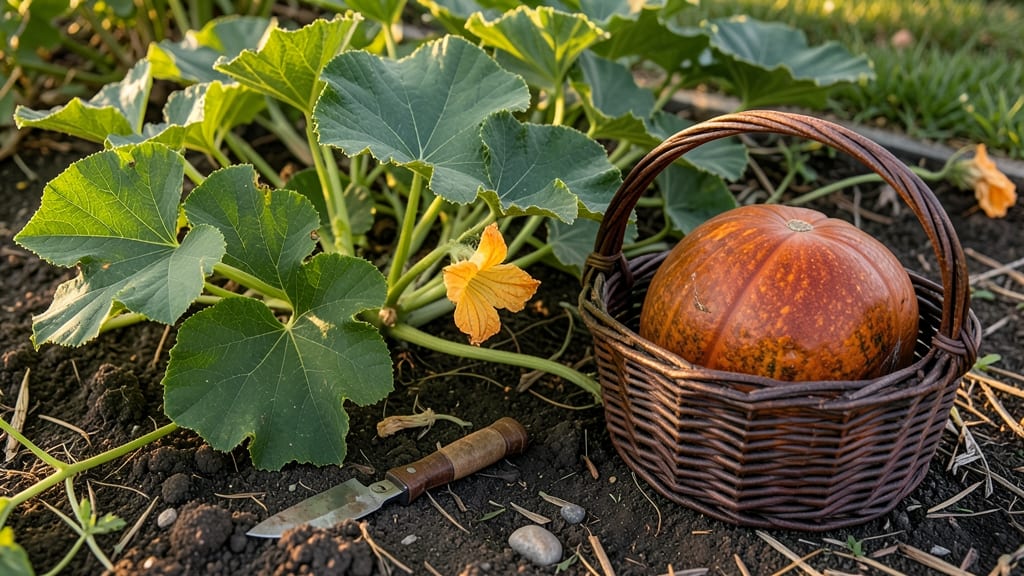
Summer squash and winter squash might look alike, but they’re completely different in taste, texture, and how you grow them. 🌱 I’ve grown both for years, and the key differences—from planting time to storage—will change how you garden (and cook) with them forever.
Summer squash like zucchini and yellow squash need fast, loose soil and weekly harvesting to keep producing. Winter squash, though, thrive in richer soil and can sit on the vine until first frost—their skin hardens into a natural preservative. The trade-off?
Summer squash give you endless harvests all season, while winter squash reward patience with long-term storage and deeper flavor. Texture-wise, summer squash are tender and delicate—perfect for grilling or sautéing—while winter squash develop a sweet, dense flesh that’s ideal for soups and roasting.
One’s a quick fix; the other’s a pantry staple. The choice depends on whether you want fresh abundance or long-term savings. Here’s the real secret: grow both! Summer squash feed you all season, while winter squash become your fall and winter heroes.
Let’s break down the exact steps for each—so you can have the best of both worlds.
The first product explained
If you're diving into the world of squash, let’s start with the star of the summer garden: summer squash! 🌞🍃 These vibrant, tender squashes are the perfect choice for fresh eating, grilling, or stir-frying. Here’s everything you need to know about this versatile veggie.
📏 Specs & Features
- Varieties: Summer squash includes zucchini, yellow squash, pattypan, and crookneck—each with unique shapes and flavors.
- Texture: Thin-skinned, tender, and delicate when harvested young. Overripe? They turn rubbery or seedy!
- Color: Green, yellow, or striped—pick based on your kitchen’s vibe.
- Size: Typically harvested when small (6–9 inches long) for peak tenderness.
- Growing Season: Thrives in warm weather (plant after the last frost).
🎯 Target Users
Summer squash is a home cook’s dream for:
- Busy weeknight diners who love quick, no-fuss meals (think zucchini noodles or grilled slices!).
- Gardeners who enjoy harvesting fresh, homegrown produce.
- Health-conscious eaters craving low-calorie, nutrient-packed sides.
- Foodies experimenting with global flavors (Mediterranean ratatouille, anyone?).
💰 Price Point & Availability
Summer squash is budget-friendly and widely available:
- Cost: $1–$3 per squash (prices vary by variety and season).
- Best Time to Buy: Peak summer (June–August). Frozen or canned options exist but lack fresh texture.
- Pro Tip: Buy small to medium-sized squash—they’re sweeter and more tender! 💡
🍽️ Why You’ll Love It
Summer squash shines in dishes where you want bright, fresh flavors without overpowering your meal. Whether you’re roasting, sautéing, or spiralizing, its mild taste adapts to any cuisine. Plus, it’s a superfood packed with vitamin C, potassium, and antioxidants!
The second product explained
Meet the hearty, nutrient-packed champion of the fall harvest—winter squash! 🍂🥜 Whether you're a seasoned gardener or a kitchen enthusiast, winter squash steals the show with its versatility, long shelf life, and rich flavors. Let’s dive into why this squash is a must-have in your pantry and garden.
🌱 Specs & Features
Winter squash thrives in cooler weather and matures over 80–120 days, making it a perfect late-season crop. Here’s what sets it apart:
- Skin: Thick, tough, and often edible (think butternut, acorn, or spaghetti squash).
- Flesh: Dense, sweet, and starchy—ideal for roasting, soups, or baking.
- Seed Type: Non-hollow (unlike summer squash), with seeds embedded in the flesh.
- Shelf Life: 2–6 months when stored in a cool, dry place (some varieties, like pumpkins, last even longer!).
- Nutritional Powerhouse: Packed with vitamin A, fiber, and antioxidants (📊💪).
👨🍳 Target Users
Winter squash is the ultimate crowd-pleaser for:
- Home gardeners who love low-maintenance, high-yield crops.
- Meal preppers needing long-lasting, freezer-friendly ingredients.
- Health-conscious cooks seeking nutrient-dense, fiber-rich sides.
- Bakers & chefs craving natural sweetness for pies, risottos, or stuffing.
💰 Price Point & Varieties
Prices vary by type, but winter squash is generally budget-friendly compared to specialty produce:
| Variety | Price Range (per lb) | Best For |
|---|---|---|
| Butternut | $0.80–$1.50 | Soups, roasting, and purees |
| Acorn | $1.00–$2.00 | Stuffing, baking, and sautéing |
| Spaghetti | $1.50–$2.50 | Low-carb pasta alternative |
| Pumpkin (sugar or pie) | $0.50–$1.20 | Pies, bread, and carving |
Pro Tip: 💡 Buy smaller squash for better flavor and larger yields next season—overripe squash loses sweetness!
Head-to-head comparison
Now that you’ve got the lowdown on both summer and winter squash, let’s dive into a side-by-side comparison to help you pick the perfect one for your kitchen—or your garden!
Whether you’re a home cook, a gardener, or just curious about these versatile veggies, this breakdown will make it easy to see how they stack up.
🌱 Growing Conditions & Harvest Time
One of the biggest differences between summer and winter squash lies in how—and when—they grow. Here’s how they compare:
- Summer Squash:
- 🌱 Grows fast! Ready to harvest in just 45–60 days after planting.
- 🌡️ Loves warmth. Thrives in hotter weather (70–90°F) and is sensitive to frost.
- 🍃 Vining habit. Produces multiple harvests over a few weeks as the plants keep flowering.
- Winter Squash:
- 🏃♂️ Slower but steady. Takes 80–120 days to mature, depending on the variety.
- 🌿 Adaptable. Can tolerate cooler temperatures (60–85°F) and even light frosts after harvest.
- 🥔 Single, showstopping harvest. Each plant produces one large squash (or a few, depending on the type), so plan accordingly!
💡 Pro Tip: If you’re short on space or time, summer squash is your best bet for quick, frequent harvests. For a big, bold reward, winter squash is worth the wait!
🍽️ Taste & Texture
This is where things get delicious—and where your choice will depend on what you’re craving in your dish!
| Trait | Summer Squash | Winter Squash |
|---|---|---|
| Flavor | 🌿 Mild, slightly sweet, and fresh with a taste reminiscent of zucchini or yellow squash. | 🍂 Rich, nutty, and earthy—think butternut, acorn, or pumpkin! |
| Texture | 🥒 Tender and delicate when cooked (or even raw in salads!). Overcooking can make it mushy. | 🥜 Dense and hearty—holds its shape well when roasted, puréed, or baked. |
| Best For |
|
|
💡 Pro Tip: Summer squash shines in fast-cooking dishes where you want a light, fresh bite. Winter squash, on the other hand, is your go-to for hearty, comforting meals that stand up to bold flavors.
💰 Cost & Availability
Your wallet—and your grocery cart—will feel the difference between these two!
- Summer Squash:
- 🛒 Affordable and abundant. Typically $1–$3 per pound when in season (summer to early fall).
- 🌍 Widely available. Found year-round in stores, but peak freshness is during summer.
- 🌱 Easy to grow. Seeds are inexpensive ($2–$5 per packet), and yields are high!
- Winter Squash:
- 💵 Pricier but versatile. Costs $1.50–$4 per pound, depending on the variety (e.g., heirloom or organic).
- 🏪 Seasonal splurge. Peaks in fall and winter but can be found year-round in stores (often pre-cut or canned).
- 🌱 Investment in storage. Seeds cost $3–$8 per packet, but one plant can yield multiple squash for months!
💡 Pro Tip: If you’re on a budget, summer squash is the budget-friendly champion. But if you’re prepping for long-term storage (winter squash lasts months when cured properly), the upfront cost may pay off!
🛡️ Storage & Shelf Life
How long your squash stays fresh can make or break your meal prep game. Here’s how they hold up:
| Factor | Summer Squash | Winter Squash | ||||||||||||
|---|---|---|---|---|---|---|---|---|---|---|---|---|---|---|
| Fridge Life | 🥦 3–7 days (best kept unwashed in a plastic bag). | 🥔 1–3 months (whole and uncut; cut pieces last 3–5 days). | ||||||||||||
| Pantry/Curing | ❌ Not suitable for long-term storage. | ✅ Months! Cure in a dry, warm (80–85°F) place for 10 days to harden the skin. | ||||||||||||
| Freezing | ❄️ 3–6 months (best blanched first to preserve texture). | ❄️ Up to 1 year (peeled, seeded, and cubed works best). | ||||||||||||
| Signs of Spoilage |
|
Which one should you choose?So, which squash reigns supreme in your kitchen or garden? The answer depends on your needs—whether you're a chef, a home cook, a gardener, or just someone craving that perfect squashy goodness! Here’s your final verdict to help you decide: 🍽️ For Quick, Versatile Cooking (Pick Summer Squash!)If you love fast, easy prep and light, tender textures, summer squash (zucchini, yellow squash, pattypan) is your best bet. It’s perfect for:
Its mild flavor and thin skin make it ideal for beginners or anyone who wants minimal fuss. 💡 Pro tip: Harvest summer squash young to avoid seedy, bitter flesh! 🍂 For Hearty, Long-Lasting Dishes (Pick Winter Squash!)Need something robust, flavorful, and shelf-stable? Winter squash (butternut, acorn, pumpkin) delivers with its nutty sweetness and dense texture. It’s your go-to for:
Winter squash shines in seasonal cooking and dishes where you want depth of flavor. 🌡️ Pro tip: Cure winter squash (let it sit in sunlight for a few days) to boost sweetness and shelf life! 🌱 For Gardeners: Space, Time, and YieldPlanning your plot? Here’s the breakdown:
✨ Pro tip: Grow both! Plant summer squash early for quick harvests, then swap in winter squash for fall/winter supplies. 🏆 Final Recommendation: The Ultimate Pairing!Why choose just one? Use both! Summer squash for speed and freshness, winter squash for depth and storage. Here’s how to rock the combo:
Still unsure? Grab a small batch of each and experiment—your taste buds will thank you! 😋 |