
Picking
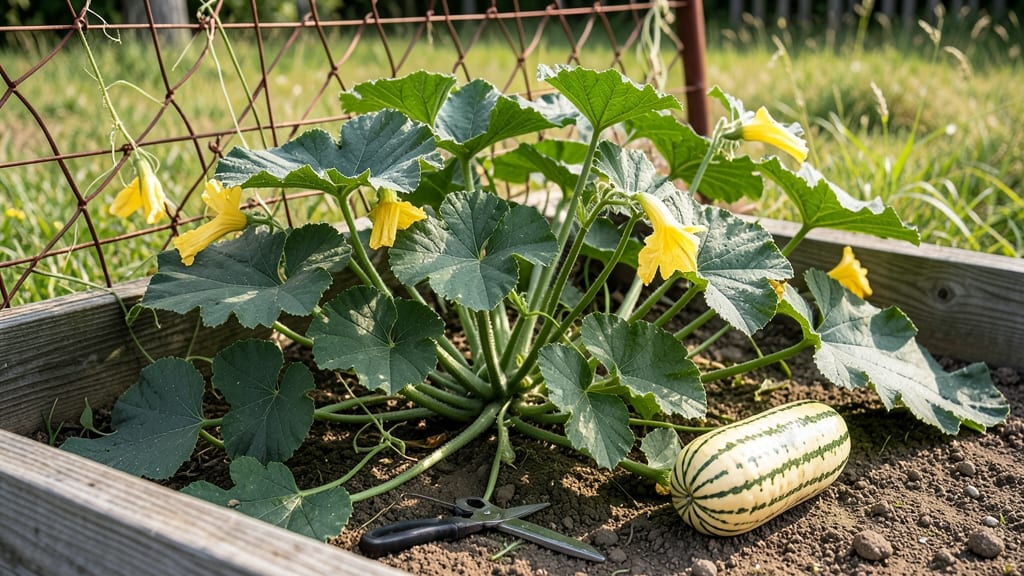
Growing striped spaghetti squash means harvesting bold, decorative vines that double as a sweet, pasta-like harvest in just 90 days. 🌱 I fell in love with this variety after seeing its striking stripes—it’s not just pretty, but the flesh stays tighter and sweeter than regular spaghetti squash when cooked.
The secret lies in its compact growth habit and specific care needs that make it perfect for small spaces or container gardens.
Start with warm soil—wait until after your last frost when temperatures stay above 60°F at night. These squash thrive in full sun (6+ hours daily) and well-draining soil mixed with compost.
Space plants 3-4 feet apart to give vines room to sprawl without crowding, and avoid planting near potatoes or other squash varieties to prevent disease spread. The striped skin is tougher than standard types, so mulch heavily to protect it from cracking in dry spells.
You’ll know they’re ready when the rind turns a deep golden-yellow with crisp stripes and the stem dries to a papery brown. Harvest before the first frost—90 days from planting—and expect 2-3 squash per plant.
The flesh separates into delicate strands when cooked, perfect for pasta or roasted dishes. Store uncut squash in a cool, dry place for 2-3 months, or cook immediately for the sweetest flavor.
For advanced gardeners, try succession planting every 2 weeks to extend harvests, or save seeds from your best specimens—the stripes can vary slightly each year. Beginners should focus on consistent watering (1-2 inches per week) and watch for squash vine borers by checking vines for sawdust-like frass.
With these tips, you’ll grow squash that’s as stunning in the garden as it is delicious on your plate.
📚 In This Guide
- What you need
- Instructions
- Tips and common mistakes
- Wrapping up and next steps
What you need
- ● Striped spaghetti squash seeds: 3–5 seeds per plant (or 1–2 per container if space is limited). Opt for heirloom or hybrid varieties like 'Moonlight' or 'Golden Nugget' for those iconic stripes!
- ● Well-draining soil: Mix of 60% garden soil + 40% compost (pH 6.0–7.0). Avoid heavy clay.
- ● Sunlight: Full sun (6–8+ hours daily). A south-facing spot is ideal!
- ● Water: Consistent moisture (1–2 inches per week). Drip irrigation or soaker hoses work best.
- ○ Support (optional but helpful): Small stakes or cages (3–4 feet tall) to prevent vines from sprawling.
- ● Garden tools: Trowel, gloves, and pruners (for trimming vines later).
- ● Containers (if not in-ground): 5-gallon pots or fabric grow bags (minimum 12–18 inches deep).
- ● Mulch: Straw or shredded leaves to retain moisture and suppress weeds.
- ● Fertilizer: Balanced organic fertilizer (10-10-10) or compost tea at planting and mid-season.
- ● Pest control (prep): Row covers (for early planting) or neem oil spray (organic option).
- ● Trellis or tomato cages for vertical growth (saves space!).
- ● Soil moisture meter to track watering needs.
- ● Plant markers to label your striped beauties!
- ● Harvest knife or shears for clean cutting.
Step-by-Step instructions for growing striped spaghetti squash
Here’s how I grow vibrant striped spaghetti squash—bold enough to stand out in any garden bed.
🌱 Step 1: Choose the Right Location and Prepare the Soil
Striped spaghetti squash thrives in full sun—at least 6-8 hours daily—and warm soil. I pick a spot that gets morning sun and afternoon shade if summer temperatures exceed 90°F. The soil must drain well; squash hates soggy roots. Work in 2-3 inches of compost to enrich the bed before planting, as these vines are heavy feeders.
Test your soil’s pH—striped varieties prefer 6.0-6.8. If your soil is too acidic, mix in lime a month before planting. I also add a handful of bone meal at the bottom of each planting hole to boost phosphorus for strong root development. This ensures vigorous vines and those signature stripes.
🌱 Step 2: Plant Seeds or Transplants at the Right Time
Squash seeds need 60-90 days to maturity, so plant them 2-3 weeks after your last frost date when soil reaches 70°F. I start seeds indoors 4-6 weeks before transplanting to give them a head start, but direct sowing works too if your season is long. Plant 2-3 seeds per hill, 1-2 inches deep, and 3-4 feet apart—they spread wide!
Thin to the strongest seedling per hill once first true leaves appear. If using transplants, bury them deeper than the original pot line—squash vines root along their stems. Mulch heavily with straw or grass clippings to retain moisture and prevent weeds from competing with those hungry vines.
☀️ Step 3: Water Deeply and Maintain Consistent Moisture
Striped spaghetti squash needs 1-2 inches of water weekly, but I water deeply 2-3 times per week instead of daily shallow watering. The key is keeping the soil evenly moist—never soggy. Let the top 1-2 inches dry out between waterings to prevent fungal diseases like powdery mildew, which can dull those prized stripes.
Water at the base of the plant in the morning to reduce evaporation and fungal risk. Avoid wetting the leaves, especially in humid climates. If you notice yellowing leaves or wilting, it’s often a sign of inconsistent watering. A soaker hose makes this easy—just set it near the base and let it run for 30-45 minutes twice weekly.
✂️ Step 4: Prune and Support Vines for Healthier Growth
While spaghetti squash doesn’t need heavy pruning, I remove any yellow or diseased leaves immediately to redirect energy to fruit production. Use clean, sharp pruners to avoid tearing the vines. If your garden has strong winds, consider a lightweight trellis or stakes to support the vines—though they’ll sprawl beautifully if left to their own devices.
Watch for squash bugs or cucumber beetles, which love these plants. I handpick eggs from the undersides of leaves and spray with neem oil if needed. The stripes on the fruit make it easy to spot pests early—just look for chewed edges or discolored patches. Healthy vines produce 3-5 squash per plant, each weighing 5-10 pounds at maturity.
⏰ Step 5: Harvest at Peak Ripeness for Sweetest Flavor
Striped spaghetti squash is ready when the skin turns dull yellow or orange and the stem end hardens. Tap the fruit—if it sounds hollow, it’s ripe. I harvest in the morning after dew has dried to preserve freshness. Use a sharp knife to cut the stem, leaving 1-2 inches attached to prevent rot.
Store harvested squash in a cool, dry place (50-55°F) for up to 3 months. The stripes intensify as they ripen, so wait until they’re fully developed for the boldest display. Once cut open, the seeds form those signature "spaghetti" strands—perfect for pasta or roasting. Enjoy the reward of your hard work!
Tips & tricks for growing stunning striped spaghetti squash
These game-changing insights will help you cultivate squash with those showstopping stripes and perfect sweetness every season.
Soil Secrets: The 6.0-6.8 pH range isn't just ideal—it's critical for developing those vibrant stripes. I test my soil twice: once before planting and again after adding compost. If your soil tests too acidic, don't just add lime—mix in a handful of wood ash (from untreated wood) too. This combo gives you that perfect balance while adding potassium for stronger vines. The stripes develop best when phosphorus levels are high, so that bone meal in Step 1 isn't optional—it's the foundation for those bold patterns.
Planting Precision: When you're planting those 2-3 seeds per hill at 1-2 inches deep, here's what I've learned: the deeper you plant, the more the vines will root along the buried stem. I actually plant the seeds 1.5 inches deep to encourage this extra root development. And for the 3-4 feet spacing—this isn't just about giving them room to sprawl. It's about preventing those vines from competing with each other for nutrients, which directly impacts stripe intensity and fruit quality.
Watering Wisdom: That 30-45 minute soaker hose session twice weekly is your secret weapon. I've found the key is consistency—never let the top 1-2 inches dry out completely between waterings. The stripes can actually fade if plants experience drought stress, so I set up a simple rain gauge near my squash patch to monitor exactly how much water we're getting from nature. If we've had heavy rain, I'll skip the soaker hose that week to avoid overwatering, which leads to powdery mildew.
Harvesting Hack: When checking for ripeness by tapping the fruit, listen for that hollow sound—but don't stop there. I also press gently on the skin near the stem end. If it yields slightly (like a ripe avocado), that's your confirmation. The stripes will be most vibrant at this stage. And here's a pro move: harvest on a cloudy day if possible. The cooler temperatures help preserve the stripes' color during storage, making them look even more dramatic when you bring them indoors.
Pro Tips for Striped Spaghetti Squash
- These game-changing insights will help you cultivate squash with those showstopping stripes and perfect sweetness every season.
- Soil Secrets: The 6.0-6.8 pH range isn't just ideal—it's critical for developing those vibrant stripes.
- Planting Precision: When you're planting those 2-3 seeds per hill at 1-2 inches deep, here's what I've learned: the deeper you plant, the more the vines will root along the buried stem.
Frequently asked questions
Got questions about growing striped spaghetti squash?
You’re not alone! Here are answers to the most common ones to help you cultivate bold stripes and sweet vines like a pro.
How do I know if my striped spaghetti squash seeds are viable?
Test seeds by soaking them in warm water for 24 hours. If they sink and sprout a tiny root, they’re good to go! For extra peace of mind, plant 2-3 seeds per hole—you’ll likely get at least one healthy sprout. Pro tip: Store seeds in a cool, dry place to maintain viability for 3-5 years.
How long does it take for striped spaghetti squash to mature?
From seed to harvest, striped spaghetti squash typically takes 90-110 days in warm climates. If you’re in a cooler zone, opt for faster-maturing varieties (like ‘Early Gold’) or start seeds indoors 4-6 weeks before the last frost. Keep an eye out for hard, dull-colored skin—a sure sign it’s ready!
What’s the best temperature range for growing striped spaghetti squash?
Striped spaghetti squash thrives in warm soil (70°F+) and air temperatures between 75-90°F. Avoid planting until after the last frost—cold soil can stunt growth. If your summers are scorching, provide afternoon shade to prevent stress. Fun fact: These vines love heat but hate soggy roots!
Can I grow striped spaghetti squash in containers?
Use a 5-gallon container or larger with drainage holes and fill it with well-draining potting mix. Choose compact varieties like ‘Sweet Dumpling’ and place the pot in full sun. Just ensure the container is stable—these vines can get heavy! Pro tip: Trellis the vines to save space and improve airflow.
Why are my striped spaghetti squash leaves turning yellow?
Yellowing leaves often signal overwatering, nutrient deficiency, or pests. Check soil moisture (it should be dry 1-2 inches down) and fertilize with compost or a balanced 10-10-10 mix. Inspect undersides for aphids or squash bugs—spray with neem oil if needed. Quick fix: Mulch to retain moisture and reduce stress!
Are striped spaghetti squash and regular spaghetti squash the same?
Not quite! While they’re the same species (Cucurbita pepo), striped varieties often have sweeter flesh, tighter strands, and more vibrant color. Regular spaghetti squash may have paler skin and a slightly nuttier taste. Try both to compare—your taste buds will thank you!
Wrapping up and next steps
Striped spaghetti squash isn’t just a feast for the eyes—it’s a rewarding, low-maintenance crop that delivers sweet, nutty strands perfect for any dish! With the right soil, sunlight, and a little patience, you’ll harvest vibrant, striped beauties in just 90 days.
Whether you’re a seasoned gardener or a beginner, this squash is your ticket to bold flavors and stunning garden decor.
Ready to dig in? Start by gathering your supplies, then plant those seeds or seedlings—your future meals (and Instagram-worthy vines!) are waiting. Happy growing! 🌱🍽️