
Picking
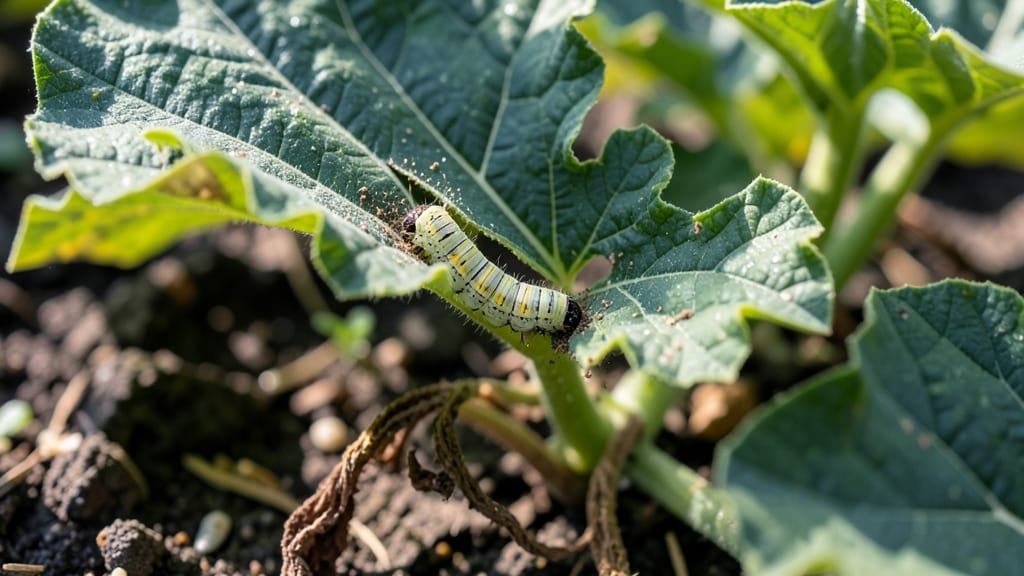
Your zucchini plants look healthy one day and suddenly collapse like a deflated balloon—squash vine borer symptoms start with wilting that won’t go away, even after watering. 🌱 The real giveaway?
Tiny holes in stems spewing sawdust-like frass (that’s the borer’s poop), or chewed stems that ooze sap when you cut them open. Catching these signs early is the only way to save your crop.
The borer’s life cycle is brutal: eggs hatch into caterpillars that burrow into stems, cutting off water and nutrients. By the time you see wilting, the damage is often irreversible—but spotting frass or hearing rustling inside stems gives you a fighting chance.
The key is acting fast: cut open stems to check for white, inch-long worms before they do permanent harm.
Here’s the good news: prevention works. Wrap stems with aluminum foil or cardboard collars to block egg-laying moths, and rotate crops yearly to starve out larvae.
Even if you find borers, handpicking them or applying Bt (Bacillus thuringiensis) spray can stop the spread before your garden turns into a borer buffet.
This isn’t just about saving a few squash—it’s about reclaiming your garden from these sneaky pests. With the right watch-and-act strategy, you’ll spot symptoms before they spiral, and your vines will stay strong enough to produce all summer long.
Root Causes Behind Borer Attacks
Understanding why squash vine borers target your plants—and how to stop them—starts with recognizing their triggers. These pests don’t just appear out of nowhere; they’re drawn to specific conditions that make your squash, pumpkins, and zucchini the perfect buffet.
Here’s a breakdown of the key factors that turn your garden into an all-you-can-eat buffet for these destructive larvae.
Squash vine borers (SVBs) are picky eaters—they prefer weak, stressed, or overripe plants over healthy ones. When your squash plants are struggling, they release volatile organic compounds (VOCs) that act like a dinner bell for female moths. Here’s why this happens:
- Nutrient Deficiencies: Plants lacking nitrogen, potassium, or phosphorus weaken their cell walls, making them easier for larvae to chew through. A quick soil test can reveal imbalances before borers arrive. - Water Stress: Both overwatering (leading to root rot) and underwatering (causing wilting) stress plants.
Borers detect these signals and lay eggs near the stem base, where moisture and soft tissue are abundant. - Overripe Fruit: Ripe squash emits ethylene gas, a natural ripening hormone that also attracts adult moths. Remove overripe or damaged fruit promptly to reduce the scent trail.
Pro Tip: 💡 Keep your plants well-watered but not soggy, and harvest squash before it fully ripens to minimize attractants.
Squash vine borers are opportunistic. If your garden is a cluttered mess, you’re rolling out the welcome mat. Here’s how leftover plant material fuels the problem:
- Old Vine Remnants: Last year’s squash vines, pumpkin gourds, or even cucumber debris left in the soil provide hibernation sites for pupating larvae.
Adult moths emerge in spring, ready to lay eggs on fresh plants. - Weeds and Mulch: Weeds like morning glories or ragweed can host borer eggs or serve as alternate food sources.
Thick mulch layers (especially organic matter) trap moisture, creating ideal conditions for egg-laying. - Compost Piles: Surprisingly, homemade compost can harbor borer pupae if it contains infested plant material. Heat kills larvae, but turning piles regularly ensures no survivors slip through.
Action Step: 🔥 Before planting season, clean up all plant debris, till the soil, and avoid mulching too heavily near squash stems.
Squash vine borers thrive in specific weather conditions, and their life cycle syncs with your planting schedule. Here’s how climate plays a role:
- Temperature Triggers: Adult moths emerge when soil temperatures reach 60–65°F (15–18°C).
If you plant squash too early, the moths might not be active yet—but if you plant late, you’ll catch the peak of their activity (usually June–July in most regions). - Humidity and Rain: High humidity softens plant stems, making them easier for larvae to penetrate.
A wet spring can also delay soil warming, stretching the moths’ emergence period. - Nighttime Activity: Female moths lay eggs after dark, using their keen sense of smell to find stressed plants. If your garden stays damp at night, you’re increasing the risk.
Grower Hack: ✨ Plant squash in early spring (when soil is warm but moths aren’t active) or use row covers to block moths until flowers appear.
Planting the same crops year after year in the same spot is like leaving a neon sign for squash vine borers. Here’s why:
- No Natural Predators: Monoculture gardens disrupt the ecosystem. Beneficial insects like parasitic wasps (which prey on borer larvae) or birds (which eat adult moths) thrive in diverse gardens but vanish when you plant only squash. - Pheromone Traps: Borers rely on chemical cues from host plants.
In a sea of squash, they don’t need to search—they’re already home. - Soil-Borne Pathogens: Repeatedly planting cucurbits (squash, pumpkins, melons) in the same bed can weaken soil structure, making plants more susceptible to borer attacks.
Solution: 🌿 Rotate crops annually and interplant squash with marigolds, nasturtiums, or basil to confuse borers and attract predators.
You might unknowingly transport borers from one garden to another. Here’s how:
- Infested Transplants: Buying or swapping squash starts from nurseries that don’t inspect for borer eggs can introduce the problem.
- Tools and Hands: Contaminated pruners, gloves, or even your shoes can carry larvae or eggs from an infested area to a clean one.
- Compost from Unknown Sources: If you use compost from a garden with a borer history, you might be reintroducing the cycle.
Prevention Tip: 🔍 Always inspect new plants for egg masses (tiny white rice-like grains) or sawdust-like frass near stems before transplanting. Sterilize tools with rubbing alcohol between gardens.
How to Fix Squash Vine Borers
Squash vine borers can turn your thriving garden into a sad, wilted mess—but don’t panic! With the right approach, you can stop the damage in its tracks and protect your squash, zucchini, and pumpkins.
Below are targeted solutions for each stage of infestation, from early signs to full-blown crises, plus prevention tips to keep borers away for good.
If you spot wilted vines, sawdust-like frass, or chewed stems, act fast before the borers tunnel deeper.
- 👨🍳 Pull and destroy the affected plant (don’t compost it—borers can survive!). Dig around the roots to check for larvae. - 🔪 Cut open the stem with a knife or scissors to expose any borers inside.
Drop them into soapy water to kill them instantly. - 🌱 Replace the plant with a healthy one from a nursery (avoid transplanting from your own garden to prevent reinfestation).
💡 Pro Tip: If only a few leaves are damaged, prune them off—but never leave wilting plants standing as they attract more borers.
Borers are deterred by unappealing textures, smells, and physical barriers. Try these non-toxic first defenses:
🌿 Organic Solutions (Safe for Edibles)
- 🥘 Diatomaceous Earth (DE): Sprinkle food-grade DE around the base of plants and on leaves. It dehydrates borers on contact.
Reapply after rain. - 🌡️ Neem Oil Spray: Mix 1 tbsp neem oil + 1 tsp mild soap + 1 quart water. Spray every 5–7 days to disrupt borer life cycles.
Best applied in the early morning or evening. - 🎯 Row Covers & Collars: Use floating row covers (lightweight fabric) over young plants to block adult moths. For mature plants, wrap cardboard collars around stems at soil level—borers can’t chew through!
💊 Chemical Controls (Last Resort)
If borers are already tunneling, try: - 🔥 Bt (Bacillus thuringiensis): A biological pesticide that kills borers when ingested.
Spray every 7–10 days during peak moth activity (evenings). - 🎯 Pyrethrin Sprays: Derived from chrysanthemums, these knock down adult moths on contact. Reapply after rain.
⚠️ Warning: Avoid sevin or malathion—they’re harsh and can harm bees/pollinators. Stick to targeted, eco-friendly options first.
An ounce of prevention is worth a pound of cure! Follow these garden hygiene habits to keep borers away:
🌱 Plant & Garden Strategies
- 🌿 Rotate Crops: Never plant squash, cucumbers, or melons in the same spot two years in a row. Borers overwinter in soil!
- 🍅 Interplant with Repellents: Borers hate basil, marigolds, and nasturtiums.
Plant these near your squash to confuse moths. - 🌡️ Mulch Heavily: Use straw or grass clippings around plants to smother emerging adults and deter egg-laying.
🕵️ Monitor & Trap Moths
- 🔦 Set Up Pheromone Traps: Hang squash vine borer traps (available at garden centers) before moths emerge (late spring/early summer).
- 🕯️ Check Plants Weekly: Inspect undersides of leaves for tiny white eggs (size of a pinhead).
Scrape them off with a damp cloth or toothbrush.
🧹 Clean Up Debris
- 🗑️ Remove old vines in fall and spring—borers hide in plant residue.
- 🔥 Till soil in late summer to expose pupae to birds and predators.
If your squash is already half-eaten but still alive:
- 💧 Water deeply to help the plant recover.
- 🪴 Prune back damaged leaves to redirect energy.
- 🛡️ Wrap the stem with aluminum foil (borers can’t chew through it).
- 🍆 Harvest any healthy fruit—some varieties (like ‘Early Prolific’) may still produce!
Final Thought: Squash vine borers are annoying but beatable—combine early detection, organic sprays, and smart gardening for a borer-free harvest. Your future zucchini thanks you! 🎉🥒
Frequently asked questions about squash vine borer symptoms
What does squash vine borer frass look like?
The frass (borer poop) appears as tiny, sawdust-like specks around stem holes or oozing from chewed areas. It’s usually tan or brown and piles up near entry points where larvae tunnel inside. Check stems daily—frass is your first clue before wilting appears.
Can wilting from squash vine borers be fixed?
Not usually—once larvae cut the stem, the plant can’t recover. However, if you catch it early (just wilting with no frass), try cutting open the stem to remove borers and wrapping it with aluminum foil to block new attacks. Prune damaged leaves to redirect energy. For severe cases, replace the plant immediately.
How do I tell if wilting is from borers or drought?
Borer wilting happens suddenly in one vine (not gradual like drought) and often appears afternoon or evening when stems are soft. Check for frass or holes—if present, it’s borers. Drought wilting affects entire plants uniformly and improves after watering. Test by wilting a healthy stem—if it springs back, it’s likely drought.
Will neem oil kill squash vine borer larvae already inside stems?
No—neem oil only works on eggs and adult moths, not larvae tunneling inside stems. For existing borers, you must cut open stems to remove them manually. Apply neem oil preventively (every 5–7 days) to stop new eggs from hatching. Combine with cardboard collars at the stem base for best results.
Can I save a squash plant if I find borers late in the season?
Possibly, but focus on harvesting existing fruit first. Prune all damaged leaves, wrap the stem with aluminum foil, and apply Bt spray to kill any remaining larvae. Some hardy varieties (like ‘Early Prolific’) may still produce, but expect reduced yields. For next season, prioritize prevention like crop rotation and row covers.