
Planting
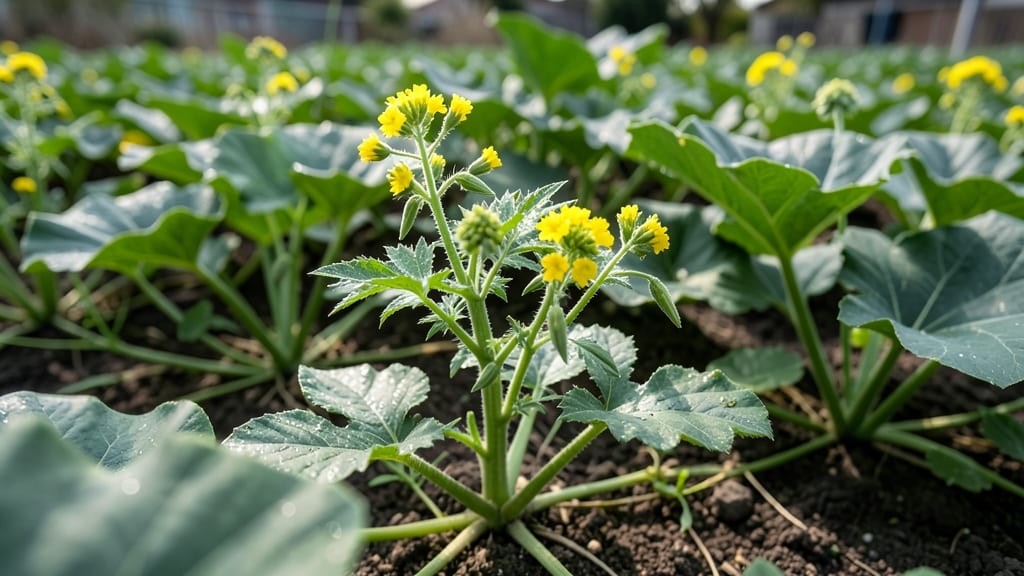
Squash plants are a gardener’s pride—but invasive weeds can mimic them, stealing nutrients and space. Learn to identify these 10 lookalikes before they threaten your harvest, with key differences to spot early.
Morning Glory Vine Confusion
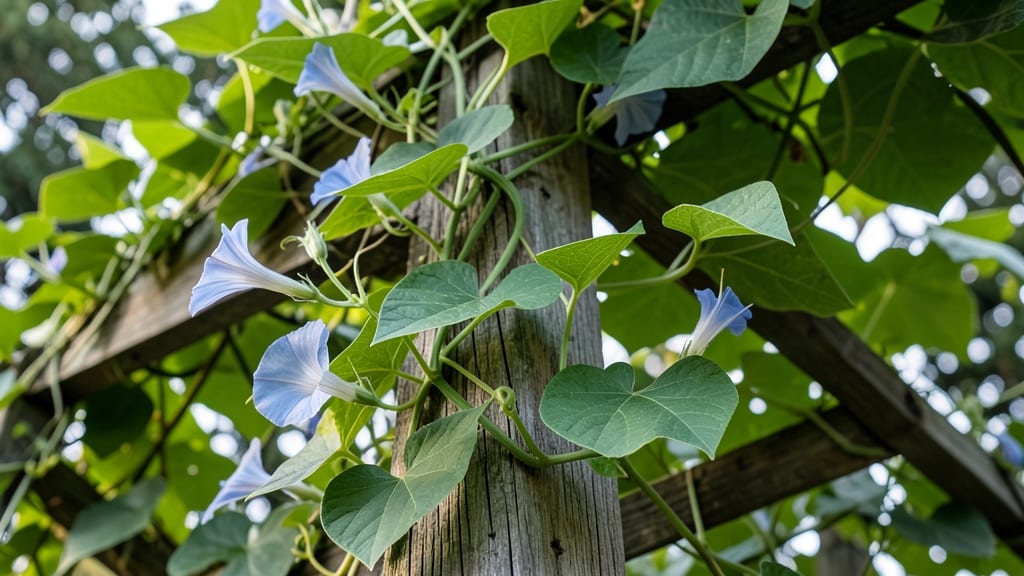
That twining vine with heart-shaped leaves climbing your trellis might not be a squash after all—it could be morning glory, a common garden imposter. Its rapid growth and delicate foliage can fool even experienced gardeners into thinking they’ve got a head start on their summer crop.
Morning glory’s true giveaway is its trumpet-shaped flowers, which bloom in vibrant blues, purples, or whites—unlike squash’s large, solitary blossoms. Another clue: morning glory lacks the rough, ribbed leaves and yellow blossoms of squash. If you spot these vines early, pull them before they smother your squash plants or spread their seeds.
This confusion is especially tricky for beginner gardeners or those with small spaces, where distinguishing vines is critical. A quick check for flowers will save you from wasting time on a plant that won’t produce edible fruit. 🌟
Wild Cucumber Identification Guide
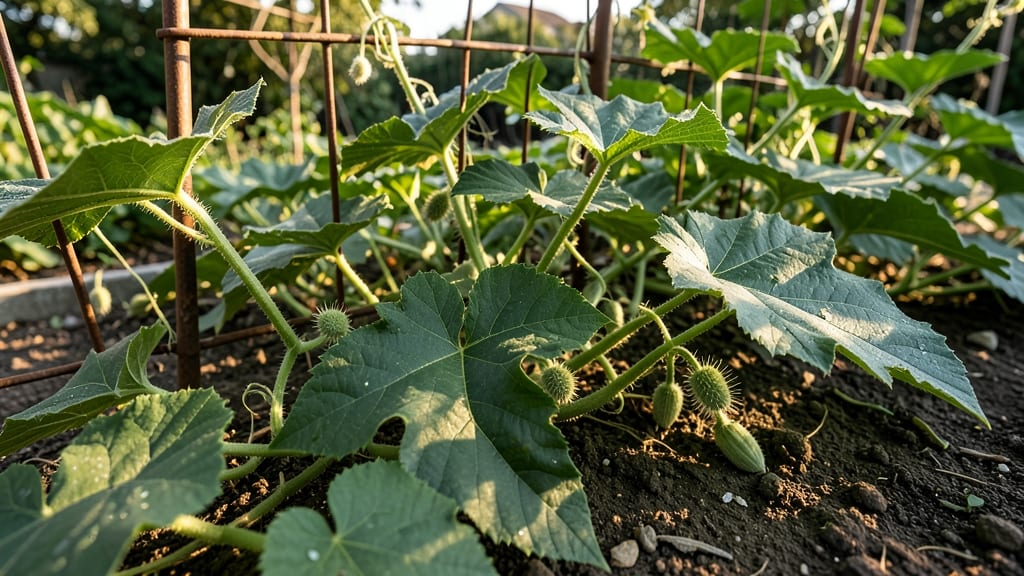
If your garden has lobed leaves climbing vines but no familiar squash blossoms, you might be dealing with wild cucumber—a sneaky imposter that steals space and nutrients. These weeds mimic squash but produce tiny, bitter fruits that look nothing like zucchini or pumpkins.
The key giveaway? Spiky tendrils and rough, hairy stems that lack squash’s smooth texture. Wild cucumbers also grow aggressively along the ground, while squash vines stay upright. Check for small, green, bumpy fruits—unlike squash’s smooth, edible varieties. Pull them early to prevent seed spread.
This weed thrives in disturbed soil, making it a common problem in new squash beds. 💡
Purslane Weed in Squash Beds
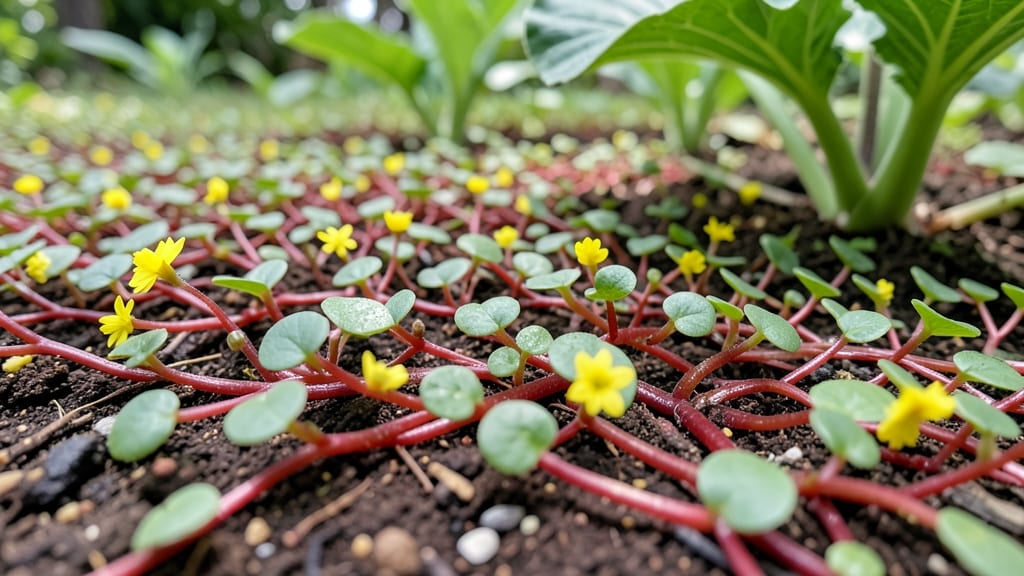
If you’ve ever mistook a low-growing weed for a squash seedling, purslane is the sneaky culprit with its thick, red-tinged stems and tiny yellow blooms. This succulent weed sprawls flat along the soil, perfectly mimicking the early growth stage of squash—except it lacks the broad, ribbed leaves that define true squash plants.
To spot it, look for purslane’s fleshy, spoon-shaped leaves that stay close to the ground, while squash seedlings grow upright with a more angular leaf structure. Pull it early, as purslane spreads aggressively and competes for moisture, stunting your squash’s growth. A quick check for its yellow flowers (unlike squash’s large, solitary blooms) confirms its identity.
Beginners and container gardeners will appreciate this tip—purslane’s deceptive appearance makes it a top imposter in squash beds. 🌱
Smartweed’s Squash-Like Leaves
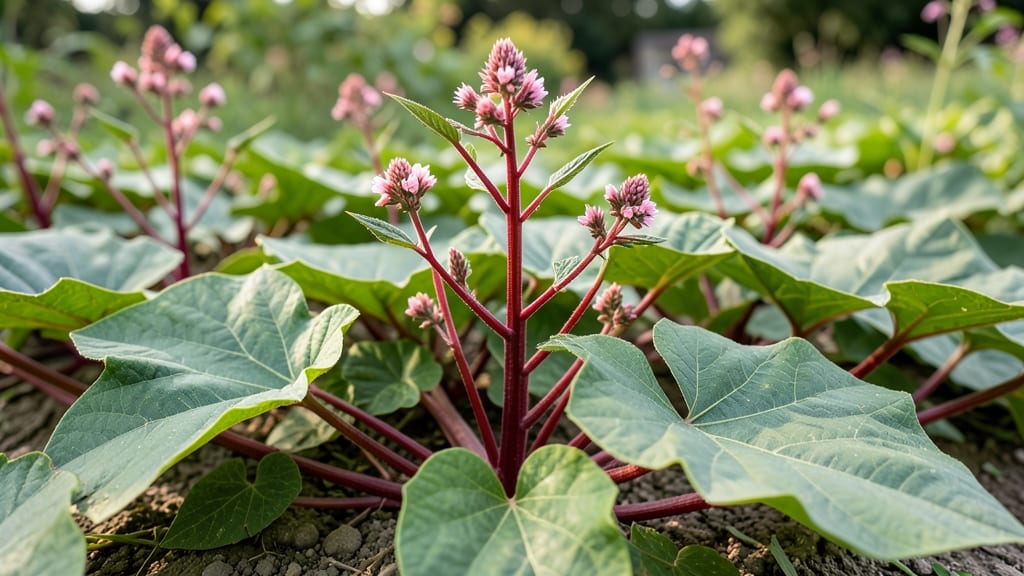
If your squash patch has plants with arrowhead-shaped leaves and striking red stems, you’re likely dealing with smartweed—not squash. This weed thrives upright, reaching 2-4 feet tall, while squash sprawls along the ground. The real giveaway? Smartweed’s clusters of tiny, pinkish flowers appear in summer, unlike squash’s large, solitary blooms.
Smartweed spreads aggressively through seeds and rhizomes, so pull it early before it crowds out your squash. Look for its smooth, upright stems and leaves arranged in whorls—unlike squash’s broad, ribbed foliage. A quick tug test helps: smartweed’s roots pull easily, while squash roots resist.
This weed is especially tricky in moist, shady garden areas, so stay vigilant near water sources or under trees. Early removal saves your squash from competition and keeps your patch thriving. 🌱
Ground Ivy Mimicking Squash
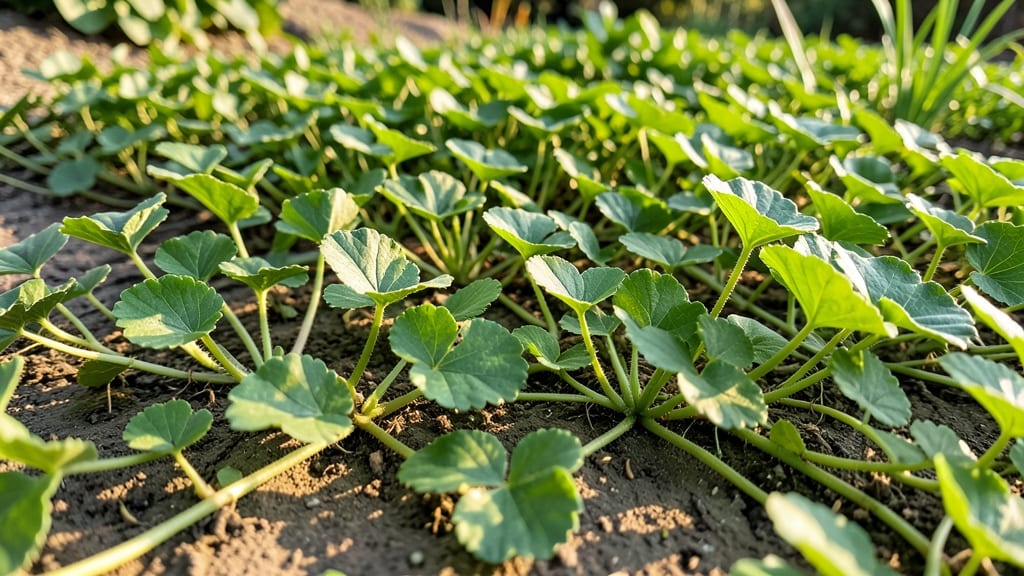
That creeping green ground cover with square stems and delicate leaves might look like a squash vine—but it’s actually ground ivy, a persistent weed that thrives in garden beds. This mint-family imposter spreads aggressively, mimicking squash runners with its scalloped edges and trailing growth habit, making it easy to mistake for your intended crop.
Unlike squash, ground ivy has a distinct minty scent when crushed and lacks the rough, ribbed foliage of true squash plants. Its stems are square (like mint) rather than round, and it spreads flat along the soil rather than climbing. Pull it early, as it can smother young squash seedlings and attract pests that don’t bother squash.
This weed is especially tricky in shady garden corners where squash may struggle, so keep an eye out for its kidney-shaped leaves and low-growing habit. A quick sniff test can save your squash patch! 🌿
Wild Gourd Lookalike Traits
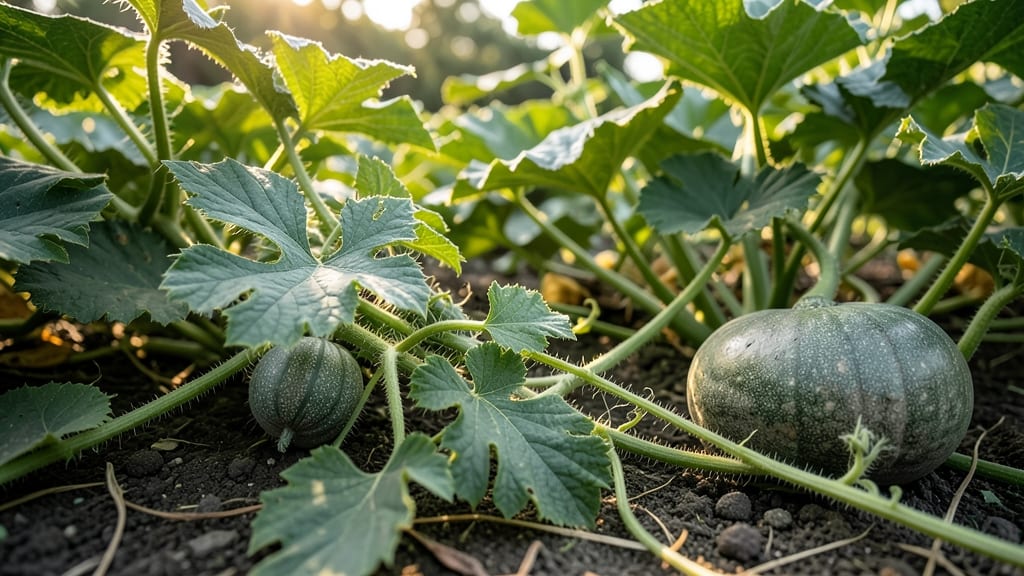
If you’ve ever spotted a spiky vine with lobed leaves in your squash patch and wondered, "Is this a weed or my crop?"—you’re not alone. Wild gourds are masters of disguise, mimicking squash so closely that even experienced gardeners can get fooled. The key difference? Their hard, inedible fruits and prickly stems that squash simply doesn’t have.
Wild gourds grow aggressively with rough, hairy stems and leaves that look almost identical to squash, but their fruits are tiny, rock-hard, and often covered in spines. Unlike squash, which produces smooth, edible varieties like zucchini or pumpkins, wild gourds prioritize survival over harvest—making them a nuisance rather than a reward. Pull them early to prevent seed spread, as their vines can strangle young squash plants.
This lookalike is especially tricky for beginner gardeners or those with limited space, where every inch counts. A quick check of the stems and fruits can save your harvest before confusion turns into competition. 🌱
Bindweed’s Squash Vine Illusion
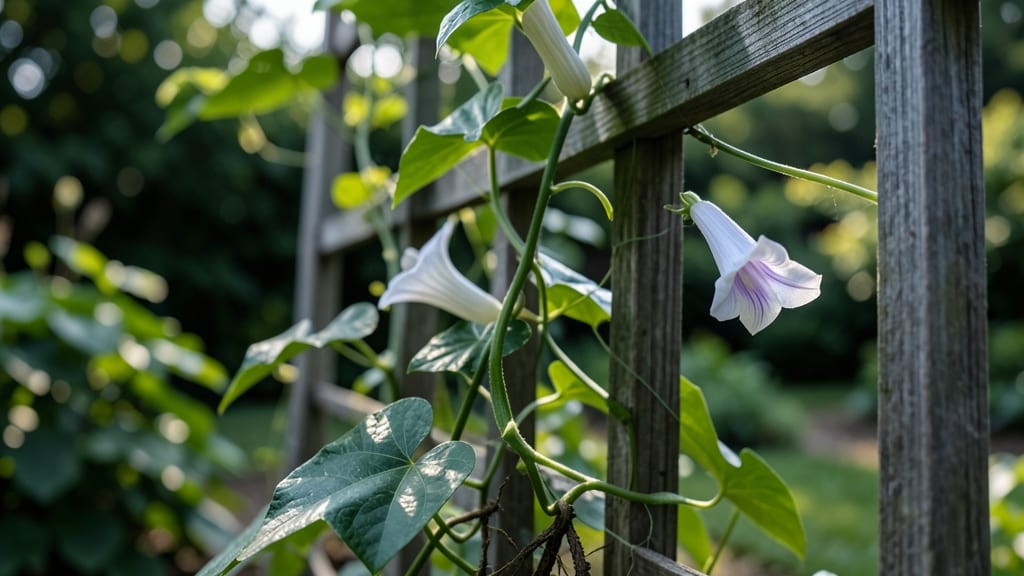
If you’ve spotted a twining vine with arrowhead-shaped leaves climbing your trellis, it might not be squash—it could be bindweed, a sneaky imposter with a deep root system that makes it nearly impossible to eradicate.
Unlike squash, bindweed produces white, funnel-shaped flowers and lacks the broad, ribbed leaves of a true squash plant. Its vines can climb up to 10 feet, smothering your squash vines if left unchecked. Digging it out by hand is tricky because its roots spread aggressively, so focus on early removal before it establishes.
This weed is especially problematic for organic gardeners or those with raised beds, where its persistence can outcompete your squash. Keep an eye out for those telltale flowers—your squash won’t produce them! 🌱
Nettle Weed in Squash Patches
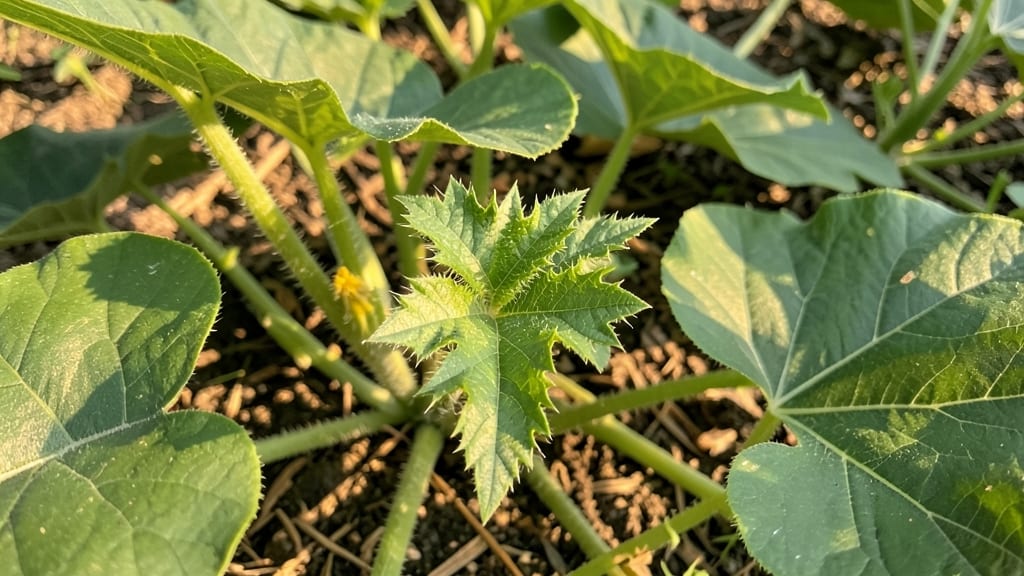
That sudden tingling sensation when brushing past a leaf in your squash patch? You’ve likely encountered nettle weed, a master of disguise with jagged, serrated edges that mimic young squash foliage—but with a painful twist.
Unlike squash’s smooth, broad leaves, nettles have rough, hairy stems and toothed edges that feel like sandpaper. The real giveaway? Their stinging hairs release formic acid when touched, causing irritation. Nettles also grow upright (1-4 feet tall) rather than sprawling like squash vines, and their leaves lack the characteristic ribbed veins of squash varieties.
Gardeners with sensitive skin or kids/pets in the garden should prioritize removing nettles early—they spread aggressively and compete for nutrients. Grab gloves and snip at the base before those stinging hairs become a nuisance! 🌱
Caltrop Weed Among Squash
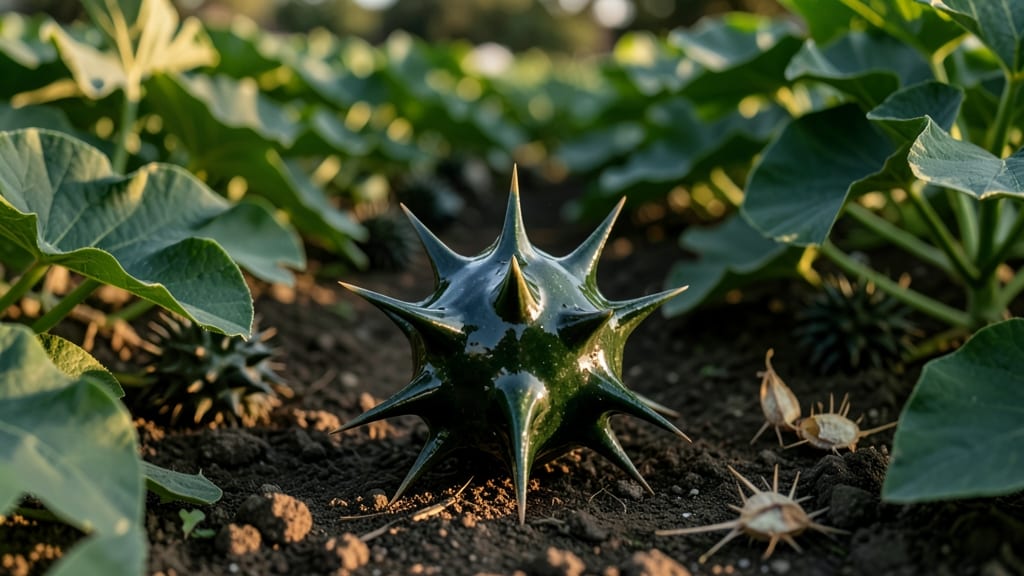
That sharp, unexpected pain in your bare foot while weeding your squash patch? It might be caltrop weed lurking among your plants. This pesky imposter mimics squash with its lobed leaves but packs a painful surprise with its distinctive star-shaped, spiky seed pods that can puncture skin.
Unlike squash vines that climb upright and produce edible fruits, caltrop stays low to the ground with its hard, woody seed pods that resemble tiny cacti. The key difference? Squash leaves are broad with prominent veins, while caltrop's are more delicate and grow in a sprawling, ground-hugging pattern. These weeds thrive in disturbed soils and dry conditions, making them common in squash beds that need frequent cultivation.
Gardeners working in bare feet or those with young squash plants should watch for these deceptive lookalikes. A quick hand inspection for those telltale spiky fruits will save you from painful surprises and help protect your squash harvest. 🌱
Wild Mustard in Squash Rows

That pungent scent wafting through your squash rows isn’t just "fresh garden air"—it’s likely wild mustard sneaking in. This fast-growing weed mimics squash with its lobed leaves and bright yellow flowers, but its aggressive spread and tiny seed pods give it away before your crop even takes off.
Wild mustard bolts upward in just weeks, while squash grows steadily over months. Check for its small, round seed pods (unlike squash’s large, developing fruits) and mustard-like aroma when crushed. Pull it early—once it seeds, you’ll have a year-round battle. Beginners often mistake it for young squash, but the scent alone should tip you off. 💚