
Planting
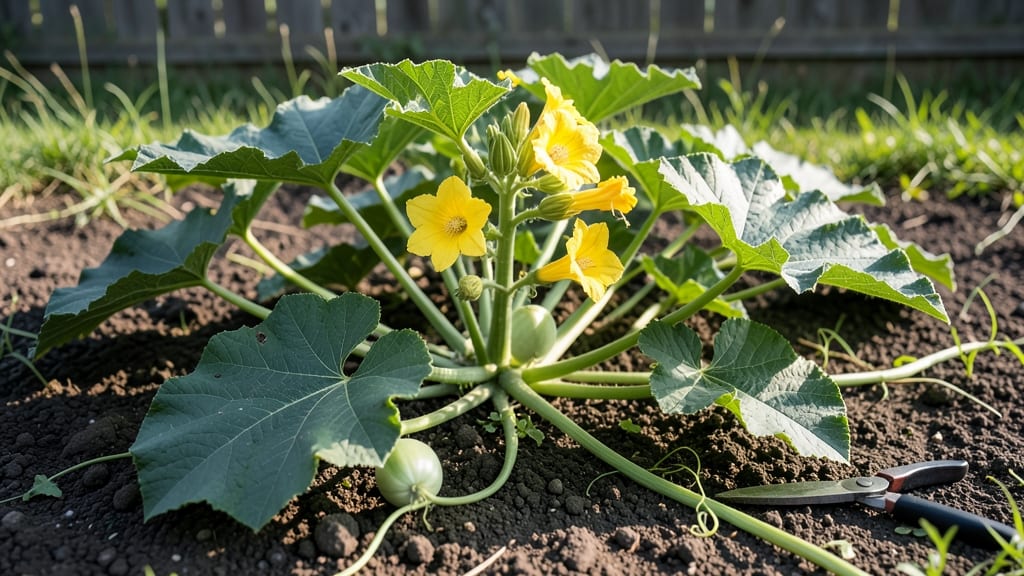
Squash plant flowers aren't just pretty—they're the secret to a bountiful harvest and delicious zucchini-like bites. 🌸 I've learned that these vibrant blooms don't just produce fruit; they're edible themselves, with a flavor that rivals the squash we all love.
The key to unlocking this dual harvest lies in understanding which flowers to eat and how to encourage your plants to produce them abundantly.
Those tiny yellow blossoms appear in waves after your squash plants establish strong vines, typically 4-6 weeks after transplanting. Male flowers bloom first—they have long stems and no swelling at the base—while female flowers develop a tiny squash behind the bloom.
The secret to more flowers? Consistent watering, balanced fertilizer, and protecting them from pests that love to munch on tender petals.
You'll know you're on track when your plants burst with flowers, and the air fills with their sweet, slightly earthy scent. The edible blooms taste best when picked young and used fresh in salads or as garnishes.
Even better, every healthy flower increases your chances of a full harvest—more blooms mean more fruit down the line.
For greenhouse growers or areas with poor pollinators, hand-pollination is a game-changer. Simply transfer pollen from male to female flowers using a small brush or cotton swab. This simple technique can double your yield when nature's helpers aren't around.
The best part? Your plants will reward you with both beautiful blooms and a garden full of squash.
📚 In This Guide
- What you need
- Instructions
- Tips and common mistakes
- Wrapping up and next steps
What you need
- ● Squash Seeds or Seedlings: Choose a variety like zucchini, butternut squash, or acorn squash (all produce edible flowers).
- ● Quantity: 3–5 seeds per plant (or 1–2 seedlings per container if growing in pots).
- ● Growing Containers or Garden Bed: Containers: 5-gallon pots or larger (minimum 12" diameter) with drainage holes.
- ● Garden Bed: Well-draining soil, 6–8 hours of sunlight daily.
- ● Potting Soil: High-quality, well-draining mix (e.g., Miracle-Gro Potting Mix or FoxFarm Ocean Forest).
- ○ Optional: Add compost (1 part compost to 3 parts soil) for extra nutrients.
- ● Fertilizer: Balanced, organic fertilizer (e.g., 10-10-10 or fish emulsion).
- ● Apply at planting and every 4–6 weeks.
- ● Watering Can or Hose: With a gentle spray nozzle for hydration.
- ● Hand Pruners or Scissors: For harvesting flowers (clean, sharp tools to avoid damage).
- ○ Gloves (Optional): To protect hands from prickly stems.
- ● Pollination Aid: A small paintbrush or your finger to hand-pollinate flowers if bees are scarce.
- ● Trellis or Cage: For vining varieties (e.g., butternut squash) to save space.
- ● Mulch: Straw or shredded leaves to retain moisture and suppress weeds.
- ● Row Cover: Lightweight fabric to protect young plants from pests.
How to harvest and enjoy edible squash flowers
Here's how to pick, prep, and savor these delicate blooms that taste like zucchini.
🌿 Step 1: Identify and Select the Right Flowers
Look for fully opened male squash flowers—they're the ones you want. These have long stems and no tiny squash forming at the base. Female flowers (with the baby squash) have a tiny fruit swelling at the base, which makes them bitter. Pick flowers in the morning when they're fully open but still fresh.
Gently grasp the stem between your thumb and forefinger, about 2 inches below the bloom. Twist slightly to detach the flower cleanly—don't yank or you'll tear the stem. You'll know it's ready when the flower comes away with a clean break and the stem leaves a small bump where it was attached.
☀️ Step 2: Harvest at Peak Freshness
Harvest flowers when they're fully open but before the petals start to wilt or turn yellow. The best time is early morning after the dew has dried but before the sun gets too hot. You'll see the most vibrant colors and the freshest flavor at this time.
Use a small pair of kitchen shears or clean scissors to snip the stem about 1 inch below the flower. This prevents damage to the plant and makes the flower last longer once picked. Store them in a paper towel-lined container in the fridge for up to 2 days before using.
💧 Step 3: Prepare Flowers for Cooking
Remove any green sepals at the base of the flower—they're bitter and tough. You can use your fingers to gently pull them off or carefully snip them with scissors. Rinse the flowers under cool water to remove any dirt or insects, then pat them dry with a clean kitchen towel.
Separate the petals carefully, removing any stamens or pistils from the center. These parts can be tough and bitter. You'll have about 4-5 petals per flower, which is perfect for garnishing or adding a delicate flavor to dishes. Keep them in a dry container until ready to use.
✂️ Step 4: Use in Recipes or Enjoy Fresh
Squash blossoms have a mild, slightly sweet flavor similar to zucchini. They're perfect for stuffing, frying, or adding as a garnish to soups and salads. Dip the petals in a light batter made with flour, eggs, and a splash of milk, then fry in hot oil until golden and crispy.
For a fresh twist, toss the petals with olive oil, salt, and a squeeze of lemon juice. They make a beautiful and flavorful addition to any dish. Just remember, the key to great-tasting flowers is picking them at the right time and preparing them gently to preserve their delicate flavor.
🌱 Step 5: Encourage More Blooms on Your Plant
To keep your squash plant producing flowers, make sure it gets plenty of sunlight—at least 6-8 hours of direct sun daily. Water consistently, keeping the soil evenly moist but not waterlogged. Too much water can stress the plant and reduce flowering.
Use a balanced fertilizer every 2-3 weeks to promote healthy growth and flowering. Pinch off any yellowing leaves and remove any overripe squash to encourage the plant to focus its energy on producing more flowers. With proper care, your squash plant will keep blooming all season long.
Tips & tricks for perfect squash plant flowers
Here's what nobody tells you about getting the most out of these delicate edible blooms.
Timing Secret: The morning after a light rain is the absolute best time to harvest—flowers picked then are plumpest and most flavorful. I've noticed that flowers harvested after rain have a slightly sweeter taste, probably because they've absorbed more moisture. If you're not lucky enough for rain, pick on cool mornings when dew is present but has evaporated.
Harvesting Technique: When twisting the stem in Step 1, apply gentle pressure downward while twisting—this prevents the stem from snapping back and potentially damaging the plant. I learned this the hard way after accidentally tearing stems on my first try. A clean break at the stem's base ensures the flower stays fresh longer and the plant continues blooming.
Storage Wisdom: After harvesting, place flowers in a paper towel-lined container and store them in the fridge for up to 2 days. The paper towel absorbs excess moisture that can cause wilting. I've found that wrapping individual flowers in paper towel squares before storing extends their freshness even longer—this keeps each bloom separate and prevents bruising.
Prep Tip: When removing sepals in Step 3, use a small paring knife if your fingers struggle with the tougher stems. This gives you more control and prevents accidentally tearing the delicate petals. Keep a bowl of ice water nearby while prepping—dipping the petals briefly after rinsing helps them stay crisp and vibrant for longer.
Pro Tips for Squash Plant Flowers
- Here's what nobody tells you about getting the most out of these delicate edible blooms.
- Timing Secret: The morning after a light rain is the absolute best time to harvest—flowers picked then are plumpest and most flavorful.
- Harvesting Technique: When twisting the stem in Step 1, apply gentle pressure downward while twisting—this prevents the stem from snapping back and potentially damaging the plant.
Frequently asked questions
Got questions about squash plant flowers?
You’re not alone! Here are some of the most common queries—plus quick, practical answers to help you grow and enjoy these edible blooms with confidence.
Can I eat squash plant flowers raw?
Squash blossoms (like zucchini or pumpkin flowers) are delicious raw—just rinse them gently and trim the stem. They add a mild, slightly sweet flavor with a tender, almost cucumber-like texture. For extra flavor, dip them in batter and fry or toss them into salads. Pro tip: Harvest them in the morning for the freshest taste!
How long does it take for squash flowers to appear?
Timing depends on the variety and growing conditions, but most squash plants produce flowers 4–6 weeks after transplanting (or 6–8 weeks from seed). Warmth (70–90°F) and full sun (6+ hours/day) speed things up. If flowers are slow to show, check for underwatering or nutrient deficiencies (like nitrogen).
Why aren’t my squash plants flowering?
No flowers? Don’t panic! Common culprits include:
- Too much nitrogen (focuses growth on leaves, not blooms). Switch to a balanced fertilizer (like 10-10-10).
- Inconsistent watering (drought stress can delay flowering). Keep soil evenly moist but not soggy.
- Cool temperatures (below 60°F). Squash loves heat—consider row covers or wait until late spring.
- Male vs. female confusion. Squash plants produce both male (long stems) and female (tiny squash at the base) flowers. If you see mostly males, give it time—females follow!
What’s the best way to cook squash flowers?
Versatility is their superpower! Try these crowd-pleasers:
- Fried: Dip in egg batter + flour, then fry until golden. Serve with garlic aioli or honey.
- Stuffed: Remove stamens, fill with cheese, herbs, or breadcrumbs, then bake.
- Sautéed: Lightly cook in olive oil with garlic, lemon zest, and cherry tomatoes.
- In pasta: Toss into pesto or risotto for a fresh, floral touch.
Note: Always remove the stamens (they’re bitter) before cooking!
Can I save squash flowers for later?
Yes! Store them in the fridge for 2–3 days (wrap loosely in a paper towel to absorb moisture). For longer storage:
- Blanch and freeze (up to 6 months).
- Dry them in a dehydrator (great for soups or teas).
- Pickle them (like capers) for a tangy, crunchy snack.
Pro tip: Harvest in the morning when they’re at peak freshness!
Wrapping up and next steps
Squash plant flowers—those delicate, edible blooms—are a delightful bonus for gardeners and chefs alike! Whether you’re growing them for their zucchini-like flavor or their stunning beauty, these flowers add versatility to your kitchen and garden.
Now that you know how to identify, harvest, and use them, why not experiment with recipes or share your bounty with fellow plant enthusiasts?
Ready to dive deeper? Start planting a few squash seeds this season and enjoy the rewards—both in the garden and on your plate! 🌱🍽️