
Picking
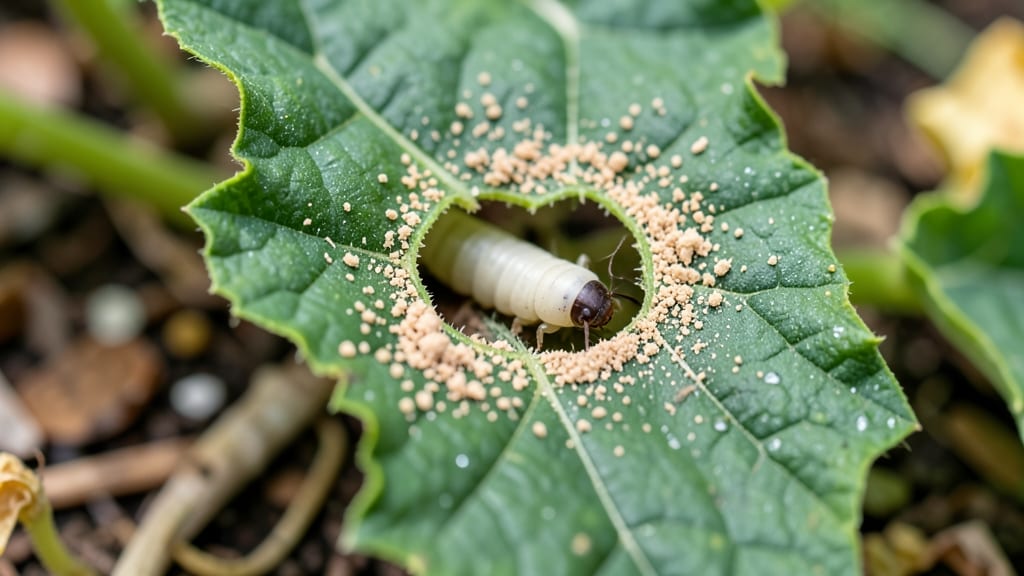
Your squash plants might be screaming for help—and you’d never know it without these 5 key signs of squash vine borers. 🌱 I’ve watched healthy vines turn into sad, wilted sticks overnight, and the first clue is often something you’d miss if you weren’t looking closely.
The damage starts small but spreads fast, so spotting it early means saving your entire harvest.
First, check for sawdust-like frass (that’s the borer’s poop) oozing from tiny holes near the stem. Then look for wilting leaves that don’t perk up, even when watered—this is the borer’s classic move.
If you peel back the vine’s bark, you might find chewed tunnels or even the pale, fat larvae themselves. These pests are sneaky, but once you know what to hunt for, they’re impossible to ignore.
The good news? Catching them early means you can still save your plants with simple fixes like hand-picking larvae or using organic sprays. I’ve pulled borers out of vines with my fingers (yes, it’s gross but effective) and seen plants bounce back in days.
The key is acting fast—before the borers turn your squash patch into a lost cause.
This works for zucchini, summer squash, pumpkins, and winter squash—basically, any vine in the cucurbit family. If you’re seeing these signs, don’t panic: you’ve got time to turn things around. Here’s how to confirm it’s borers and what to do next.
Root Causes Of Vine Borer Attacks
Understanding why squash vine borers target your plants—and how to prevent them—starts with recognizing their natural behaviors and environmental triggers. These destructive pests don’t just appear out of nowhere; they’re drawn to specific conditions that make your squash, pumpkins, and zucchini the perfect buffet.
Let’s break down the key factors that turn your garden into a borer hotspot.
Squash vine borers (Melittia cucurbitae) have a keen sense for weak or stressed plants. When your vines are struggling, they release volatile organic compounds (VOCs) that signal distress—like a dinner bell for these moth larvae. Here’s why it happens:
- Nutrient Deficiencies: Plants lacking nitrogen, potassium, or magnesium become less resilient. Borers detect these deficiencies through changes in leaf color (yellowing or browning) and weakened stems. - Overwatering or Drought: Both extremes stress plants. Overwatering rots roots, while drought weakens cell walls—both make vines easier to penetrate.
Borers thrive in plants with soft, waterlogged stems (ideal for tunneling) or those already compromised by dehydration. - Poor Air Circulation: Dense foliage traps moisture, creating a humid microclimate. Borers prefer environments with high humidity (60%+) and stagnant air, which slows plant recovery and speeds up larval growth.
Actionable Fix: Monitor plant health weekly. Use a soil moisture meter to avoid extremes, and prune vines to improve airflow. A balanced fertilizer (like 10-10-10) can boost defenses.
Borers don’t attack randomly—they time their life cycle to coincide with when squash plants are most vulnerable. Adult moths lay eggs only on healthy, actively growing vines (typically in late spring to early summer). Here’s the breakdown:
| Life Stage | When It Happens | Why It’s Dangerous |
|---|---|---|
| Egg Laying | May–July (varies by region) | Females deposit eggs on leaf undersides or stems. |
| Larval Hatching | 3–7 days after egg | Tiny larvae burrow into stems within hours. |
| Feeding Peak | June–August | Larvae tunnel through vascular tissue, cutting off water/nutrients. |
Pro Tip: 🌡️ Track local moth emergence using your state’s agricultural extension service. In many regions, borers peak when squash plants are 4–6 weeks old—right when they’re flowering. This is your early warning window.
Borers prefer warm, undisturbed soil (ideal for egg survival). Here’s how your garden setup might be inviting them:
- Mulched Beds: While mulch conserves moisture, thick layers (especially organic mulch like straw) create microclimates that protect eggs from drying out or predators. - South-Facing Plantings: Squash near walls, fences, or dark soil absorbs more heat, speeding up moth activity.
Eggs hatch faster in soil temps above 70°F (21°C). - Previous Year’s Debris: Old vine remnants or compost piles near squash beds harbor overwintering pupae. Even small larvae can survive winter in leaf litter.
Actionable Fix: 🔥 Reduce mulch thickness around stems (2–3 inches max) and remove all plant debris after harvest. Consider reflective mulch (like aluminum foil) to deter egg-laying moths.
Squash vine borers are most aggressive in warm, humid climates, but even cooler regions see outbreaks if conditions align. Key triggers:
- Sudden Heat Waves: A rapid temperature jump (e.g., from 60°F to 85°F in 48 hours) can double moth activity. Borers are cold-blooded—they become more active as soil warms. - High Humidity: Larvae desiccate in dry conditions but thrive in 70%+ humidity.
Coastal areas or regions with frequent rain are high-risk. - Crop Monoculture: Planting squash, pumpkins, or cucumbers year after year in the same spot creates a borer “superhighway.” Moths return to familiar food sources.
Data Point: 📊 Studies show borer infestations are 3x worse in gardens where squash is planted in the same location for 3+ years. Rotation disrupts their life cycle.
Borers exploit gaps in garden maintenance. Even small oversights can turn your plot into a borer paradise:
- Untreated Stems: Scars, cracks, or old pruning wounds provide entry points for larvae.
A healthy stem is harder to penetrate. - Weedy Borders: Plants like morning glories or cucumbers (both in the Cucurbitaceae family) act as trap crops, luring moths away from your squash—but if left unchecked, they can also harbor borers. - Ignored Early Signs: Wilting leaves or frass (sawdust-like droppings) are often dismissed as disease.
By the time you notice frass tubes, larvae are already 2+ inches deep in the stem.
Pro Tip: ✨ Inspect stems weekly with a flashlight. Look for tiny holes (egg-laying sites) or silver threads (larval silk). Remove any suspicious vines immediately and dispose of them in sealed bags (not compost).
Stopping Squash Vine Borers Fast
Squash vine borers can turn a thriving garden into a sad, wilted mess in no time—but don’t panic! With the right approach, you can save your squash plants and prevent future infestations.
Below, we break down practical fixes based on the cause of the problem, plus prevention tips to keep your garden healthy.
If you’ve spotted frass (sawdust-like droppings), wilted vines, or chewed stems, time is of the essence. The sooner you act, the better your chances of saving the plant.
🍳 Step 1: Inspect & Confirm the Problem
Before treating, verify it’s a squash vine borer:
- Cut open the stem near the base—look for white, worm-like larvae (about 1–1.5 inches long).
- Check for frass (tiny brown pellets) around the stem or inside the hollowed-out stem.
- Shake the plant gently—if larvae drop out, you’ve got an infestation.
> 💡 Pro Tip: Do this in the early morning when borers are sluggish and easier to spot.
For minor damage, you can handpick the borers:
- Wear gloves (they’re slimy and gross!).
- Use a knife or scissors to slice open the stem along the length.
- Scoop out larvae with your fingers or a spoon.
- Drop them in soapy water to kill them instantly.
- Seal the cut stem with a toothpick or wooden skewer to prevent reinfestation.
> ✨ Prevention Hack: After removing larvae, sprinkle diatomaceous earth inside the stem to deter future borers.
If borers have spread or the plant is severely damaged, try these methods:
🌿 Organic Solutions (Safe for Gardens & Pets)
| Method | How to Use | Best For |
|---|---|---|
| Neem Oil Spray | Mix 1 tbsp neem oil + 1 tsp dish soap + 1 quart water. Spray stem & leaves every 5–7 days. | Early-stage infestations |
| Bacillus thuringiensis (Bt) | Spray Bt (a natural bacteria) on leaves—borers stop eating within hours. | Organic gardens, repeated treatments |
| Diatomaceous Earth | Dust around the stem base (avoid direct contact with leaves). Reapply after rain. | Prevention & light infestations |
| Yellow Sticky Traps | Hang near plants to catch adult borers before they lay eggs. | Early prevention |
🔪 Chemical Options (Last Resort)
If organic methods fail and your crop is high-value, consider:
- Permethrin-based insecticides (follow label instructions).
- Carbaryl (Sevin)—effective but toxic to bees, so apply early morning or late evening.
> 🌡️ Warning: Avoid chemicals if you have bees or beneficial insects in your garden. Opt for neem or Bt instead.
Sometimes, saving the plant isn’t worth it—especially if: ✅ The main stem is completely hollowed out. ✅ The plant is wilting beyond recovery. ✅ You’ve tried everything and borers keep coming back.
If the plant is beyond saving:
- Cut it down at the base.
- Dispose of it in a sealed bag (don’t compost—borers can survive!).
- Rotate crops next season (don’t plant squash, pumpkins, or cucumbers in the same spot).
> 🎯 Long-Term Fix: Plant borer-resistant varieties like: > - ‘Early Prolific Straightneck’ (squash) > - ‘Table Queen’ (pumpkin) > - ‘Straight Eight’ (cucumber)
The best defense is a strong offense! Use these proactive strategies to stop borers before they start:
🌱 Garden Maintenance
- Rotate crops—don’t plant squash family plants (Cucurbits) in the same spot for 3+ years.
- Remove old vines in fall (burn or bag them—don’t compost!).
- Mulch heavily with straw or grass clippings to block egg-laying moths.
🐛 Trap & Trap Again
- Plant a trap crop like butternut squash far from your main garden—borers will attack it first!
- Use pheromone traps (available at garden centers) to confuse male borers and reduce mating.
🕷️ Encourage Natural Predators
- Ladybugs, parasitic wasps, and birds love squash vine borers! Support them by:
- Planting dill, fennel, or marigolds nearby.
- Avoiding broad-spectrum pesticides that kill beneficial insects.
🛡️ Physical Barriers
- Wrap stems with aluminum foil (borers hate the texture—they won’t lay eggs).
- Use row covers (fine mesh) early in the season to block adult moths.
Final Thought: Squash vine borers are a nuisance, but with early action and smart prevention, you can protect your harvest year after year. Try one or two methods this season, and next year, you’ll be borer-free! 🚜🌿
Frequently asked questions
What do squash vine borer eggs look like?
Squash vine borer eggs are tiny, oval, and pale yellow—about the size of a pinhead (1/16 inch). They’re usually laid singly or in small clusters on the undersides of leaves or along stems. If you see small white specks that look like tiny grains of rice, that’s likely where the problem starts.
Can I still save my squash if I see wilting but no frass yet?
Yes! Early wilting without frass might mean root rot or overwatering, not borers. Check the soil moisture first. If the stem feels mushy when cut, it’s likely rot. But if the stem is dry and wilting spreads from one section, borers could already be tunneling—slice open the stem to confirm.
How often should I check my squash plants for borers?
Inspect your plants every 5–7 days during peak borer season (late spring to early summer). Focus on the stem base and leaf undersides—that’s where eggs and early signs appear. Morning inspections work best when larvae are sluggish and easier to spot.
Will neem oil kill squash vine borers already inside the stem?
No, neem oil only works on exposed larvae or eggs—it won’t reach borers already tunneling inside stems. For hidden borers, you’ll need to handpick them (slice open the stem) or use Bacillus thuringiensis (Bt), which larvae ingest when they chew treated leaves.
Can I compost squash plants with borers?
Never compost infested plants! Borer larvae can survive in compost and reinfest your garden. Instead, seal them in a plastic bag and throw them in the trash. If you’re dealing with a severe infestation, consider burning the debris (check local burn regulations first).