
Vegetables
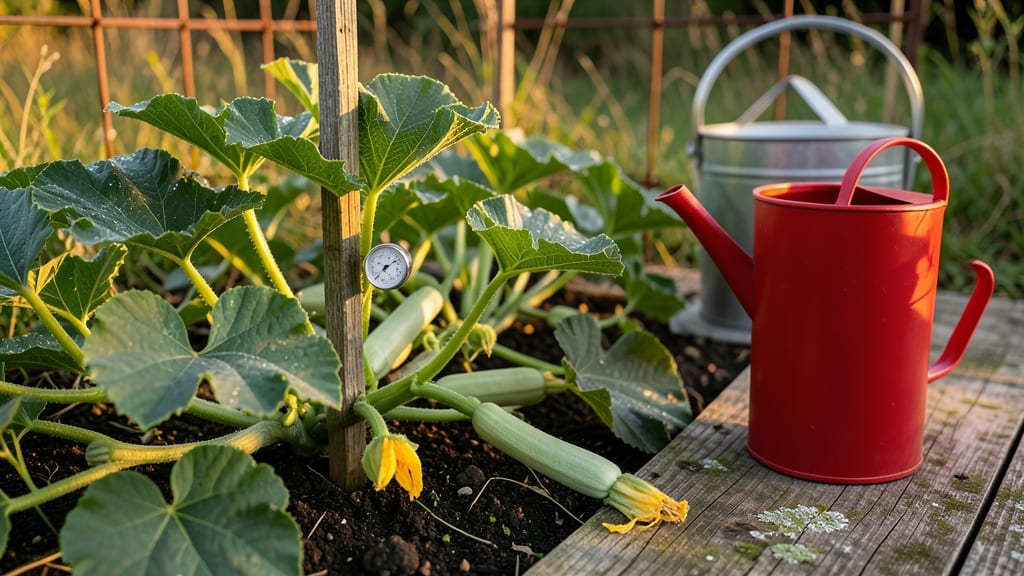
Understanding squash temperature tolerance is the secret to growing healthy 🎃 vines that produce fruit instead of just leaves.
Picture this: you’ve just planted your squash seeds, eager for a summer harvest, only to watch them wilt under unexpected heat or freeze after a late spring frost.
The difference between a thriving garden and a failed crop often comes down to knowing exactly what temperatures your squash can handle—and when to step in to protect them.
Squash plants thrive in warm conditions but have strict limits. Too hot, and they’ll bolt or stop producing; too cold, and they’ll struggle to germinate or set fruit.
Whether you’re in a short-season Zone 6a or a long, hot summer climate, the right temperature strategy keeps your plants happy from seed to harvest.
In this guide, I’ll break down the ideal ranges for germination, growth, and fruiting—plus practical tips to shield your squash from extreme weather. You’ll learn which varieties handle heat best, how to extend the season in cool areas, and when to pull out the shade cloth before it’s too late.
Squash temperature tolerance by variety: heat-Zone breakdown
Understanding your squash's temperature tolerance is crucial for a successful harvest. Different varieties thrive in distinct heat zones, from cool mountain climates to scorching deserts. Summer squash like zucchini and yellow squash handle heat better than winter squash, while tropical varieties like chayote need consistent warmth.
Let's break down the ideal day/night temperatures for each type to help you pick the perfect variety for your climate.
Most squash varieties struggle when temperatures dip below 50°F (10°C) or climb above 95°F (35°C) for extended periods. Germination requires soil temps of at least 60°F (15°C), while fruit development slows below 65°F (18°C) or above 90°F (32°C).
Knowing these thresholds helps you avoid wasted effort and poor yields. For example, zucchini can handle 95°F (35°C) days but may drop fruit if nights stay above 80°F (27°C).
Summer squash (like zucchini and yellow squash) are the most heat-tolerant, while winter squash (such as butternut and pumpkins) prefer cooler conditions. Tropical squash, including chayote, require consistent warmth year-round. Below is a detailed breakdown of temperature ranges for each category, including their ideal daytime and nighttime conditions.
For summer squash, varieties like 'Black Beauty' zucchini and 'Golden Zucchini' thrive in 70–90°F (21–32°C) days with 60–75°F (15–24°C) nights. These plants can tolerate brief spikes up to 95°F (35°C), but prolonged heat above 90°F (32°C) may cause blossom drop or poor fruit set.
If you're in a hot climate, opt for heat-tolerant varieties like 'Straightneck Yellow', which handles 95°F+ (35°C+) days better than most.
Winter squash, including butternut and pumpkins, prefer cooler conditions, with ideal daytime temps of 65–85°F (18–29°C) and nighttime temps of 55–70°F (13–21°C). These varieties struggle in extreme heat, with fruit quality declining above 90°F (32°C). For example, 'Waltham Butternut' produces sweeter fruit in 65–75°F (18–24°C) ranges, while 'Howden' pumpkins need cooler nights to develop properly. In hot zones, use shade cloth or mulch to keep roots cool.
Tropical squash, such as ch
How to protect squash plants from extreme heat or cold
Squash plants thrive when daytime temperatures hover between 70–85°F, but even slight deviations can stress your vines. Heatwaves above 90°F cause blossom drop and stunted growth, while frost below 50°F can kill young plants overnight.
The good news? With the right strategies, you can shield your squash from temperature extremes and extend your harvest season.
Start by choosing the right shade solutions for your climate. In scorching regions like USDA Zones 9–11, use 30–50% shade cloth to filter sunlight while allowing airflow. For cooler zones (Zones 3–6), focus on row covers or cold frames to trap heat during chilly mornings.
Both methods protect without sacrificing the 6–8 hours of sunlight squash craves.
⚠️ Critical Squash Temperature Limits
Daytime: Below 50°F or above 95°F = growth stops. Nighttime temps below 60°F cause blossom end rot.
Germination: Soil must stay 70–90°F. Seeds rot below 60°F.
Frost: Any frost (32°F) kills young plants instantly.
Mulching is your first line of defense against temperature swings. Apply 4–6 inches of straw or wood chips around plants to insulate roots. This keeps soil 5–10°F cooler in summer and 10°F warmer in spring.
For extra protection in early spring plantings, use black plastic mulch—it warms soil by 10–15°F while suppressing weeds.
Adjust your watering schedule based on temperature extremes. During 90°F+ heatwaves, water deeply every 2–3 days at dawn to reduce evaporation. In cooler climates, cut back to weekly watering once fruits mature to prevent rot.
Always water at soil level—never overhead—to avoid fungal diseases like powdery mildew, which thrive in humid, hot conditions.
For late-season harvests, try season extenders like low tunnels or cold frames. These raise ground temperatures by 10–15°F and protect plants until first frost. In hot climates, opt for drip irrigation with shade cloth to keep leaves cool.
Pair this with heat-tolerant varieties like 'Straightneck Yellow' squash, which handles 95°F+ days better than most.
Monitor your plants daily for stress signs: yellowing leaves (heat stress), wilting (underwatering), or stunted growth (cold shock). Act fast—adjust shade, water, or covers within 24 hours to prevent permanent damage. With these strategies, you’ll turn temperature challenges into harvest success.