
Vegetables
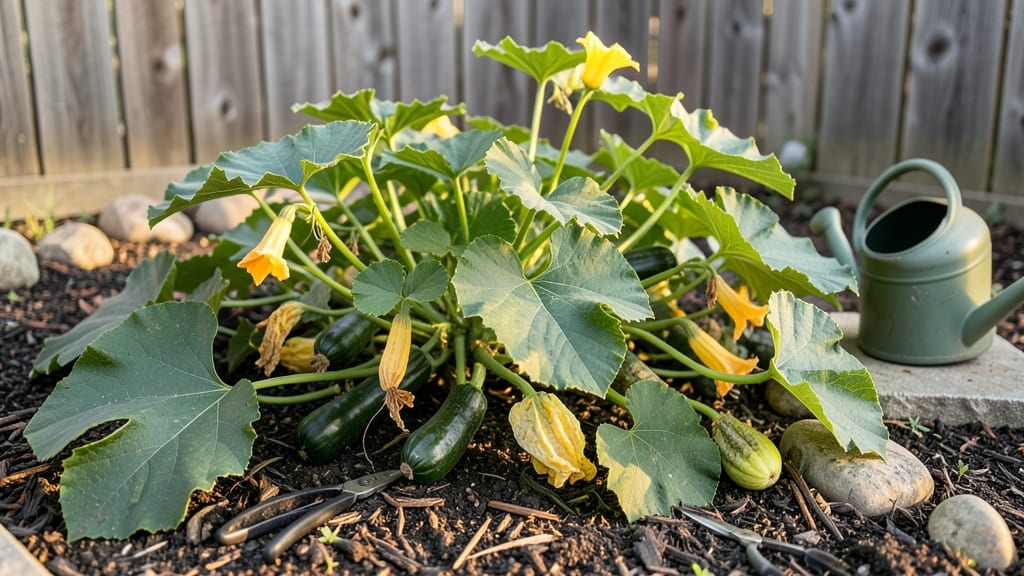
Squash rotting on the vine turns your hard work into a sad, mushy mess—and I’ve lost enough zucchini to a mysterious rot to know how frustrating it is. 🌱 The culprits are usually fungal diseases like powdery mildew or bacterial soft rot, but overwatering and poor airflow play a big role too.
What’s worse is that these problems often start small, then spread like wildfire, ruining your entire harvest before you even notice.
The good news? Most of these issues are preventable with a few simple adjustments—like giving your plants enough space (they need room to breathe!) and pruning away crowded foliage.
I’ve also found that a copper fungicide spray or neem oil applied early in the season can stop fungal spores in their tracks. And yes, checking the soil moisture is just as important as the spray—overwatering is a silent killer.
By the time you spot the first signs of rot, it’s already too late for that squash—but with these fixes, your next harvest will stay firm, blemish-free, and ready to pick at peak ripeness.
The key is acting fast: once you see the first spots, remove infected leaves immediately and adjust your watering schedule. Trust me, your future self will thank you.
This works for all types of squash—zucchini, butternut, acorn, you name it—and even saves your pumpkins from a similar fate.
The secret is consistency: keep an eye on your plants, stay ahead of moisture issues, and you’ll go from "why is my garden failing?" to "how did I not do this sooner?" in no time.
Root Causes Of Vine Rot
Understanding why your squash is rotting before it’s ready for harvest starts with identifying the hidden culprits lurking in your garden. These issues often stem from a mix of environmental stress, microbial activity, and poor plant health.
Let’s break down the science behind the most common triggers—so you can tackle them head-on.
Squash vines thrive in warmth, but too much heat—especially when combined with high humidity—creates the perfect storm for rot. When temperatures soar above 90°F (32°C), the plant’s natural defenses weaken, making it vulnerable to phyto-pathogenic fungi like Phytophthora or Pythium.
These microbes thrive in stagnant, warm air, especially in dense foliage where airflow is restricted.
Why it happens:
- Excessive canopy shade: Thick vines block sunlight and airflow, trapping moisture against the fruit.
- Poor soil drainage: Waterlogged roots struggle to regulate temperature, leading to stress and fungal entry points.
- Greenhouse effect: Plastic mulch or row covers can trap heat, accelerating rot.
Actionable fix: Space plants 3–4 feet apart to improve airflow, use drip irrigation (not overhead watering), and avoid mulching too early in the season.
Squash plants are 90% water by weight, and their fruit is especially sensitive to moisture imbalances. While consistent watering is key, too much or too little can trigger rot. Overwatering leads to soggy fruit, while underwatering causes osmotic stress, weakening the plant’s cell walls and inviting pathogens.
Why it happens:
- Inconsistent soil moisture: Drying out followed by heavy watering creates cracks in the fruit’s skin, giving fungi a direct entry.
- Fungal spores in water: Reusing contaminated water or splashing soil onto fruit spreads Alternaria or Fusarium.
- Poor drainage: Clay-heavy soils or compacted beds trap excess water, suffocating roots and promoting rot.
Actionable fix: Water deeply 1–2 times per week (early morning) and use raised beds or sand amendments to improve drainage. Avoid wetting leaves—aim for the soil base only.
Fungal spores are everywhere in the garden, but they only cause trouble when conditions are right.
Common squash rot culprits include: - Phytophthora capsici (water mold) – Thrives in wet, warm soil and causes soft, mushy rot. - Didymella bryoniae (gummy stem blight) – Spreads via splashing water and creates dark, sunken lesions. - Erysiphe cichoracearum (powdery mildew) – Weakens vines, making fruit susceptible to secondary rot.
Why it happens:
- Old crop debris: Leftover squash stems or leaves harbor spores from last season.
- Contaminated tools: Pruners or trellises can transfer fungi between plants.
- Stressed plants: Nutrient deficiencies (especially calcium or potassium) weaken cell walls, making them easier targets.
Actionable fix: Rotate crops (avoid planting squash in the same spot for 3 years), sterilize tools with 70% alcohol, and remove infected fruit immediately (don’t compost—bag and discard).
Bruises, insect bites, or hail damage create open wounds where bacteria and fungi can colonize. Squash bugs, cucumber beetles, and even birds pecking at fruit can introduce pathogens.
Why it happens:
- Poor handling: Rough harvesting or weeding can puncture fruit.
- Squash vine borers: Larvae burrow into stems, disrupting nutrient flow and causing blight.
- Birds/squirrels: They love ripe squash—and their pecks leave entry points for rot.
Actionable fix: Use row covers early in the season, handpick pests, and harvest gently (use a knife to cut stems, not pull). Apply neem oil as a preventive barrier.
Squash needs a balanced diet of nitrogen (N), phosphorus (P), and potassium (K) to develop strong, disease-resistant fruit. Deficiencies—especially calcium (Ca) or boron (B)—lead to blossom-end rot or weakened cell walls, making rot more likely.
Why it happens:
- Low calcium: Causes brown, leathery patches at the blossom end (common in sandy soils).
- High nitrogen, low potassium: Leads to soft, watery fruit prone to collapse.
- pH imbalances: Soil below 6.0 locks out nutrients, stressing plants.
Actionable fix: Test your soil (aim for pH 6.0–6.8) and amend with crushed eggshells (calcium) or wood ash (potassium). Use a balanced fertilizer (10-10-10) at planting and side-dress with compost when vines flower.
Sudden changes—like late-season rains, hail, or temperature drops—can shock squash plants, triggering rot.
For example: - Cold nights + warm days = condensation buildup on fruit, promoting fungal growth. - Hail damage = crushed skin, inviting bacteria. - Frost risk = premature senescence, weakening the plant’s defenses.
Why it happens:
- No acclimation: Plants grown in greenhouses or containers struggle with outdoor temperature swings.
- Late planting: Squash sown too late may face early fall rains, increasing rot risk.
Actionable fix: Choose early-maturing varieties, use black plastic mulch to warm soil, and provide shade cloth during heatwaves. Harvest before frost if possible.
Some rot causes are asymptomatic until it’s too late. For example:
- Bacterial wilt (Erwinia tracheiphila) – Spreads via cucumber beetles; causes sudden wilting and collapse.
- Powdery mildew – While not rot itself, it weakens vines, making fruit more susceptible to secondary infections.
Why it happens:
- No quarantine: Infected plants or seeds bring pathogens into your garden.
- Windborne spores: Fungal diseases like mildew spread quickly in humid conditions.
Actionable fix: Buy certified disease-free seeds, inspect new plants before transplanting, and remove mildewed leaves immediately.
Key Takeaway: Vine rot is rarely caused by one factor—it’s usually a combo of stress, moisture, and microbial opportunists. By addressing airflow, watering, soil health, and pest control, you can dramatically reduce your squash’s risk of rotting before harvest. 🚀
Fixing Blighted Squash Before It’s Too Late
When your squash starts rotting on the vine, panic isn’t the answer—action is. The good news? Most causes of vine rot are preventable or reversible with the right steps. Below, we’ve matched common triggers to their fixes, so you can save your harvest and keep your garden thriving.
Think of this as your emergency repair kit for squash gone bad.
If your squash shows soft, mushy spots with fuzzy mold (like powdery mildew or downy mildew), fungi are likely the culprit. Act fast—these spread faster than weeds in a summer storm.
🔥 Remove the Infected Fruit Immediately
- Snip off rotting squash with clean pruners (sterilize with rubbing alcohol first).
- Do not compost infected plant material—toss it in the trash to prevent reinfection.
- Wear gloves—some fungi can irritate skin or spread to other plants.
🍳 Treat the Plant with Fungicide
- Store-bought options: Copper-based sprays (like Bordeaux mixture) or neem oil (1 tsp per quart of water + a drop of dish soap as a surfactant).
- Homemade remedy: Mix 1 quart milk + 1 gallon water + 1 tbsp baking soda (spray in the evening to avoid burning leaves).
- Reapply every 7–10 days until new growth appears healthy.
🌡️ Improve Airflow and Light
- Prune nearby foliage to let sunlight and air circulate around squash vines.
- Avoid overhead watering—water at the base in the morning so leaves dry quickly.
Squash hates soggy feet. If your plants sit in wet soil or show waterlogged, blackened stems, drainage is the issue.
⏰ Adjust Your Watering Routine
- Water deeply but infrequently: Aim for 1–1.5 inches per week (including rain). Let the top inch of soil dry out between waterings.
- Use a moisture meter to check soil—if it’s damp more than 2 inches down, hold off.
- Water in the morning so excess moisture evaporates by night.
🏗️ Fix Drainage Issues
- If your garden soil is clay-heavy, amend it with compost or sand to improve drainage.
- Raise beds slightly if water pools after rain.
- Mulch heavily (2–3 inches of straw or shredded leaves) to keep moisture consistent without drowning roots.
🌱 Relocate Problem Plants (If Needed)
- If a specific spot is perpetually soggy, transplant healthy squash to a drier area.
- Avoid replanting in the same spot until the soil dries out completely.
Cuts, bruises, or pest bites (like squash vine borers) create entry points for rot. Heal the wounds before bacteria or fungi move in.
🔪 Trim Damaged Areas
- Use sterilized pruners to cut away only the rotting tissue—don’t remove healthy parts.
- For small wounds, let them air-dry in sunlight (UV light helps prevent infection).
👨🍳 Apply a Protective Barrier
- Cinnamon or copper spray: Mix 1 tbsp cinnamon + 1 quart water (or use a commercial fungicide) to coat cuts.
- Diatomaceous earth (DE): Lightly dust around the base of plants to deter borers and other pests.
🛡️ Prevent Future Pests
- Handpick borers in the morning (they’re sluggish then).
- Use row covers early in the season to block egg-laying pests.
- Interplant with basil or marigolds—these repel squash vine borers naturally.
Squash is sensitive to temperature swings. If your plants look wilting, discolored, or sun-scorched, they’re struggling to survive.
🌞 Shield from Scorching Sun
- Provide afternoon shade with a lightweight shade cloth (30–50%) during heatwaves.
- Use mulch (straw or grass clippings) to keep roots cool.
🧊 Protect from Chill
- Cover plants at night with frost blankets if temps dip below 50°F (10°C).
- Avoid planting too early—wait until soil is at least 60°F (15°C).
💡 Adjust Watering for Heat
- Increase water slightly during heatwaves, but never water in the heat of the day (it causes leaf burn).
- Use drip irrigation to keep foliage dry and roots hydrated.
Once you’ve treated the problem, break the cycle with these long-term strategies:
- 🌱 Rotate crops: Never plant squash (or cucumbers/melons) in the same spot two years in a row.
- 💡 Plant disease-resistant varieties: Look for labels like ‘Butternut Gray’ (resistant to powdery mildew) or ‘Early Prolific Straightneck’ (borer-resistant).
- 🌡️ Monitor humidity: Use a dehumidifier in your greenhouse or space plants 3–4 feet apart for airflow.
- 🧼 Sterilize tools: Clean pruners and trellises with 10% bleach solution between uses.
- 🍂 Clean up in fall: Remove all plant debris and till soil to kill overwintering pathogens.
With these fixes, your squash should bounce back—or better yet, never rot in the first place. The key is early action and consistent care. Now go rescue that harvest before it’s too late! 🚜🌿
Frequently asked questions
Why does my squash start rotting even when I water it regularly?
Overwatering is a common culprit—squash needs consistent but not soggy soil. Check for poor drainage (water pooling after rain) or compacted soil. Water only when the top 1 inch feels dry, and use drip irrigation to avoid wetting leaves. Too much moisture creates the perfect environment for fungal diseases like Phytophthora.
Can I still save a squash that’s already showing soft rot?
Only if the rot is very recent and small. Cut away the affected area with sterilized pruners, then apply a copper fungicide or neem oil to the wound. For larger rot, it’s better to remove the squash entirely—fungi spread quickly, and saving it risks infecting healthy fruit.
How do I know if my squash is rotting from fungus or bacteria?
Fungal rot usually shows as fuzzy white/gray mold (powdery mildew) or dark, sunken spots (gummy stem blight). Bacterial rot appears as watery, foul-smelling mush with no fuzzy growth. Test by gently pressing the squash—if it gives way easily, it’s likely bacterial. Treat fungi with fungicides; bacteria often require copper-based sprays.
Will removing rotting squash stop the problem from spreading?
Yes, but only if you remove all infected fruit and leaves—don’t compost them! Bag and discard rotting material to prevent spores from reinfecting your garden. Sterilize your pruners with rubbing alcohol between cuts, and improve airflow by spacing plants 3–4 feet apart. This breaks the disease cycle.
Are some squash varieties more resistant to rot?
Look for varieties labeled disease-resistant, like ‘Butternut Gray’ (powdery mildew-resistant) or ‘Early Prolific Straightneck’ (borer-resistant). Hybrid varieties often have better genetic defenses. Also, choose compact or bush types—they need less spacing and have better airflow than sprawling vines.