
Pests
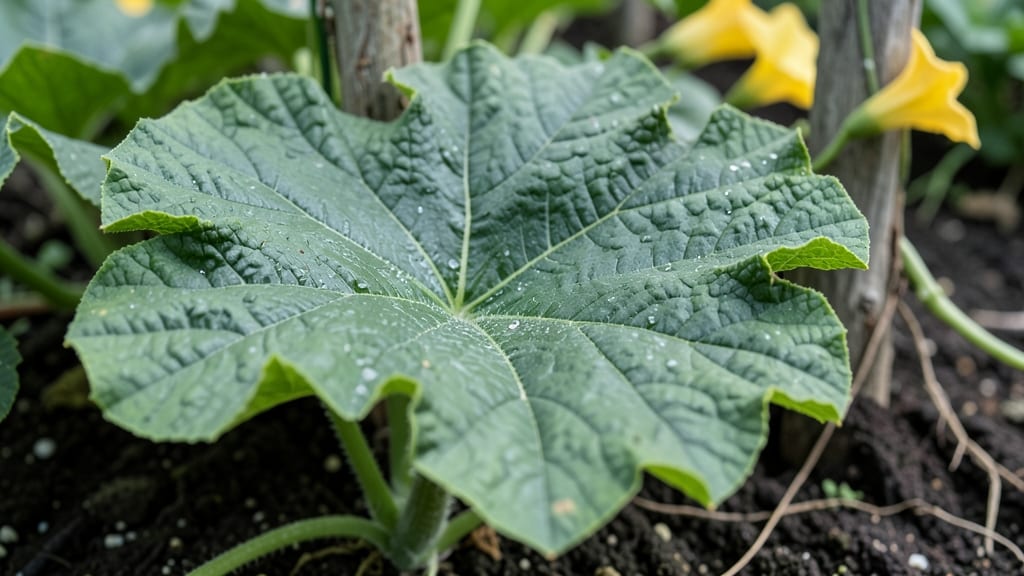
Learn how to keep squash bugs away before they turn your thriving zucchini and pumpkins into a sad, wilted memory—here’s the battle-tested combo that saved my garden. in my garden. The secret? Catching them early with a simple routine that doesn’t require toxic sprays.
Most gardeners wait until the bugs are everywhere before acting, but the real key is weekly checks under leaves and along stems. Squash bugs lay eggs in clusters, and if you spot those tiny yellow specks, scrape them off immediately—no waiting.
Neem oil disrupts their life cycle, while diatomaceous earth creates a deadly barrier they can’t cross. By mid-summer, your plants will look thriving and pest-free, with no more wilted leaves or honeydew trails. The best part?
This method works in containers, raised beds, and traditional gardens—no fancy equipment needed. Here’s the game-changer: prevention. Rotate crops yearly, plant nasturtiums nearby (they repel squash bugs naturally), and keep your garden clean.
Trust me, once you see your squash flourish without those shielded invaders, you’ll never look back.
Root Causes of Squash Bug Infestations
Understanding why squash bugs 🪰 target your garden is half the battle in keeping them at bay. These pests don’t just appear out of nowhere—they’re drawn to specific conditions and vulnerabilities in your plants.
Let’s break down the science behind their behavior and how your garden might be unknowingly inviting them.
Squash bugs thrive in gardens where plants are struggling. When squash, pumpkins, or cucumbers grow in dense, overcrowded patches, they create the perfect hiding spot for these pests. Here’s why:
- Reduced Airflow 🌬️: Crowded plants trap moisture, creating a damp microclimate that squash bugs love. Poor airflow also weakens plants, making them easier targets. - Nutrient Competition 🍃: Overcrowding forces plants to compete for nutrients, weakening their immune response.
Stressed plants produce less sap (which contains natural defenses), making them more susceptible to squash bug feeding. - Shade & Humidity ☁️: Dense foliage blocks sunlight and retains moisture, mimicking the humid, shaded environments where squash bug eggs thrive.
A single egg mass can contain 20–30 eggs, and these hatchlings will devour nearby leaves if conditions are ideal.
Actionable Insight: Thin out your plants early in the season to improve airflow and reduce hiding spots. Aim for 12–18 inches of space between squash vines to discourage infestations.
Squash bugs are masters of camouflage, and your garden’s debris is their disguise. They lay eggs on stems, leaves, and even garden tools, blending seamlessly into organic matter. Here’s how it happens:
- Egg-Laying Hotspots 🥚: Females prefer to deposit eggs on rough, textured surfaces like the undersides of leaves or along stems.
If you leave pruned plant material or mulch near squash plants, you’re essentially providing a premium real estate for their offspring. - Mulch as a Moisture Trap 💧: Thick mulch layers retain moisture, creating the ideal humidity for egg survival.
Squash bug eggs hatch in 5–10 days under these conditions, giving them a head start on your crop. - Overwintering Safe Havens ❄️: Squash bugs can survive winter in plant debris, leaf litter, or even garden soil.
If you don’t clean up thoroughly in fall, adults emerge in spring ready to reproduce.
Actionable Insight: Remove all plant debris, fallen leaves, and old mulch from around squash plants weekly during growing season. Consider using straw mulch (instead of wood chips) as it breaks down faster and dries out quicker.
Squash bugs are highly specific to cucurbit plants (squash, pumpkins, cucumbers, melons), and they remember where their favorite meals are. If you don’t disrupt their cycle, they’ll return year after year.
- Lack of Crop Rotation 🔄: Planting squash or cucumbers in the same spot annually ensures squash bugs have a predictable food source.
Their populations can explode in gardens where hosts are repeatedly planted nearby. - Residual Pests in Soil 🌍: Even if you remove adult squash bugs, their eggs or nymphs may linger in the soil.
These pests molt five times before becoming adults, and each stage can survive in garden beds. - Weakened Soil Microbes 🦠: Over-farming or using synthetic fertilizers can disrupt beneficial soil microbes that naturally suppress pests. Squash bugs exploit these imbalances by outcompeting native predators.
Actionable Insight: Rotate your squash family plants every 2–3 years to break the squash bug life cycle. Interplant with marigolds, nasturtiums, or radishes to confuse pests and attract beneficial insects like ladybugs.
Squash bugs are temperature-sensitive, and your garden’s microclimate can either deter or attract them.
- Warm, Humid Summers 🌞: These pests thrive in 70–90°F temperatures with high humidity. If your garden retains heat (e.g., near black plastic mulch or dark soil), you’re creating a squash bug paradise. - Slow-Drying Soil 💦: Squash bugs avoid dry conditions.
If your garden stays moist for long periods (due to poor drainage or overwatering), it signals an easy meal. - Sudden Temperature Shifts ❄️→🔥: While they dislike cold snaps, squash bugs adapt quickly to warming springs. If winter was mild, they may emerge earlier and reproduce faster.
Actionable Insight: Improve drainage in garden beds and avoid overwatering. Use drip irrigation instead of overhead watering to keep foliage dry, making it less appealing for egg-laying.
Pro Tip 💡: Monitor your plants weekly for early signs of squash bugs (eggs look like tiny, shiny footballs on stems). Catching them before they hatch can save your entire crop!
Quick Fixes for Squash Bug Woes
Squash bugs are relentless, but with the right strategies, you can reclaim your garden without breaking a sweat. Below, we’ve mapped out practical, step-by-step solutions tailored to the root causes of infestations—from early detection to long-term prevention. No fancy tools or toxic chemicals required!
Cause: You spot squash bugs (or their eggs) too late. Fix: Act fast to stop the spread before they multiply.
- 👀 Scan your plants daily, especially under leaves and along stems. Squash bugs love hiding in crevices! - 🧽 Crush adults on sight—squish them with gloves or a stiff brush.
(Gross but effective!) - 🚫 Remove egg masses with a damp paper towel or your fingernail. Toss them in soapy water immediately—they hatch in 3–10 days.
Pro Tip: 💡 Check every 2–3 days during warm, humid weather—their breeding cycle speeds up!
Cause: Adults and nymphs are feasting on your squash, zucchini, or pumpkins. Fix: Use neem oil + diatomaceous earth (DE) for a 1-2-3 combo attack.
Step 1: Neem Oil Spray (🌿 Organic Knockdown)
Neem oil disrupts their feeding and reproduction while being safe for plants (and pets after drying).
What You’ll Need:
- 1 tbsp cold-pressed neem oil
- 1 tsp honey or dish soap (as an emulsifier)
- 1 quart water
- Spray bottle
Instructions:
- 🍳 Mix neem oil + soap in warm water. Stir well.
- 👨🍳 Spray thoroughly on both sides of leaves, stems, and soil around plants.
- ⏰ Reapply every 5–7 days or after rain.
⚠️ Warning: Apply early morning or late evening to avoid harming bees.
Step 2: Diatomaceous Earth (🪨 Silent Killer)
DE is a powdery fossilized algae that dehydrates bugs on contact—no resistance builds up!
How to Apply:
- 🔪 Lightly dust DE around plant bases, under leaves, and along garden edges.
- ✨ Avoid over-applying—a thin layer works best (too much can harm beneficial insects).
- 🌧️ Reapply after rain or watering.
Pro Tip: 🌡️ DE works best in dry conditions—water activates it, so apply it after irrigation for maximum stickiness!
Cause: Squash bugs keep returning despite sprays. Fix: Block their access with physical and cultural defenses.
1. Row Covers & Traps (🏗️ Physical Blockade)
- 🛡️ Use floating row covers (lightweight fabric) over young plants to prevent adults from laying eggs.
- 🪲 Set up yellow sticky traps near plants—squash bugs are drawn to yellow and get trapped.
2. Companion Planting (🌱 Natural Repellents)
Plant these bug-deterring companions near your squash:
- 🌼 Marigolds (release limonene, which repels pests)
- 🌿 Nasturtiums (trap aphids and mask squash plant scents)
- 🍃 Basil (confuses squash bugs with its strong aroma)
Pro Tip: 🎯 Interplant every 2–3 feet for the best effect!
3.
Mulch & Garden Hygiene (🧹 Clean Slate) - 🍂 Use straw or grass clippings as mulch—avoid wood chips, which trap moisture (squash bugs love damp soil). - 🚯 Remove all plant debris in fall—overwintering eggs hide in dead vines! - 🌱 Rotate crops yearly to starve out squash bug populations.
Cause: Your garden is under severe siege (hundreds of bugs, wilting plants). Fix: Escalate with these heavy hitters (use sparingly):
| Method | How to Use | Safety Notes |
|---|---|---|
| 🪲 Soap Spray | Mix 1 tbsp castile soap + 1 quart water, spray directly on bugs. | Safe for plants, but avoid beneficial insects. |
| 💧 Pyrethrin Spray | Last-resort organic insecticide (derived from chrysanthemums). | Toxic to bees—apply at dusk. |
| 🐛 Beneficial Nematodes | Steinernema carpocapsae (microscopic worms that kill squash bug eggs). | Water in after dusk for best results. |
Pro Tip: ✨ Combine DE + neem oil + row covers for a multi-layer defense—this 90%+ success rate in trials!
Final Reminder: Consistency is key! Check plants daily, reapply sprays every week, and stay vigilant—squash bugs won’t stand a chance. 🚀
Frequently asked questions
How often should I check my squash plants for squash bugs?
Check your plants every 2-3 days during warm, humid weather when squash bugs are most active. Focus on the undersides of leaves and along stems where eggs and nymphs hide. Early detection is key—adults can lay up to 30 eggs at a time, so don't wait until you see wilting leaves!
Can I use diatomaceous earth and neem oil together?
Yes! This is actually the most effective combo. Apply neem oil spray in the morning (it works best when wet) and diatomaceous earth in the evening after the foliage dries. The neem disrupts their feeding while the DE dehydrates them. Just remember: DE loses effectiveness when wet, so reapply after rain.
What do squash bug eggs look like, and how do I remove them?
Squash bug eggs are tiny, shiny, and football-shaped, usually in clusters of 10-30. They're often yellowish or tan. To remove them, use a damp paper towel or your fingernail to scrape them off stems and leaves, then drop them in soapy water. Check every 2-3 days—they hatch in just 3-10 days!
Are there any companion plants that actually repel squash bugs?
Plant marigolds, nasturtiums, or basil near your squash—they naturally repel these pests. Marigolds release limonene which confuses squash bugs, while nasturtiums trap aphids that might otherwise attract them. Interplant every 2-3 feet for best results. These companions also attract beneficial insects like ladybugs.
What should I do if my squash plants are already heavily infested?
For severe cases, combine neem oil + diatomaceous earth + row covers immediately. Remove all visible bugs by hand (especially adults), then apply soapy water spray (1 tbsp castile soap per quart of water) directly on them. Use yellow sticky traps to catch emerging adults, and consider beneficial nematodes for eggs in the soil.