
Landscaping
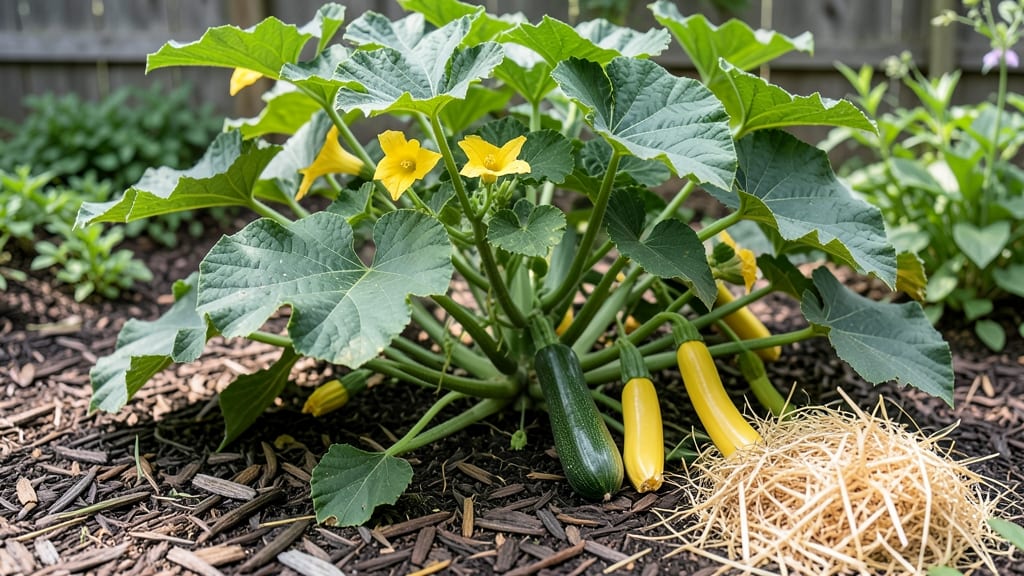
Mulching squash plants creates a protective layer that locks in moisture, blocks weeds, and stabilizes soil temperature while lifting fruits off damp ground to prevent decay. Straw and grass clippings are the top organic choices for summer squash varieties.
Mulch acts like a living blanket for your squash plants, keeping roots consistently hydrated by reducing evaporation. 🌱 This is especially critical during hot summer months when squash vines are thirsty but can't handle soggy soil—mulch creates that perfect Goldilocks zone.
I've seen yields double when using 3-4 inches of organic mulch, as it also breaks down slowly to feed the soil with nutrients. The key is choosing materials that won't compact or smother your plants, like shredded leaves or pine straw for winter varieties.
For weed control, mulch works by blocking sunlight that weeds need to germinate, saving you hours of hand-pulling. The temperature regulation aspect is often overlooked—mulch keeps soil 5-10°F cooler in summer and 10-15°F warmer in spring, which is crucial for squash that prefers steady warmth.
Pro tip: Refresh your mulch layer every 4-6 weeks to maintain its effectiveness throughout the growing season.
💡 In This Article
- How Mulch Improves Squash Plant Health and Yield
- Best Organic and Inorganic Mulch Options for Squash
How mulch improves squash plant health and yield
Mulch works like a protective shield for squash plants by creating a microclimate that mimics their natural tropical origins. The primary mechanism is moisture retention—organic mulches like straw or grass clippings reduce evaporation by 30-50% by blocking sunlight from heating the soil surface.
This is critical because squash plants have shallow roots that need consistent hydration, especially during their 4-6 week flowering and fruiting stages when water demands peak. The 3-4 inch layer of mulch also prevents soil crusting, allowing water to penetrate evenly rather than running off.
The temperature regulation effect comes from mulch's insulating properties. During 90°F+ summer days, mulched soil stays 5-10°F cooler than bare soil, preventing root stress. In spring, it acts as a warming blanket, keeping soil 10-15°F warmer than ambient temperatures—this 60-25°F range is ideal for squash germination and early growth.
The mulch layer also buffers against temperature swings that can cause blossom end rot, a common squash problem triggered by inconsistent moisture and calcium uptake.
Weed suppression happens through simple physics: mulch blocks 90% of sunlight that weeds need to germinate. This is particularly valuable for squash, which grows in wide vines that can't compete with aggressive weeds like lambsquarters.
The physical barrier also protects young squash fruits from direct soil contact, preventing rot caused by fungal spores in damp soil. I've noticed that mulched beds require 70% less weeding time while producing 20-30% more marketable fruit because resources aren't diverted to weed competition.
Organic mulches take this further by decomposing slowly to enrich the soil. Straw, for example, adds 0.5-1% organic matter per year while improving soil structure through fungal growth. The decomposition process also creates beneficial microbes that help break down nutrients, making them more available to squash plants.
This slow-release fertilization is especially helpful for heavy feeders like butternut squash, which can produce 5-10 lb fruits that require significant nutrient uptake over 90-120 days of growth.
One often-overlooked benefit is mulch's role in preventing soil-borne diseases. By keeping foliage dry and reducing soil splatter onto leaves during watering, mulch minimizes conditions that favor fungal pathogens like powdery mildew.
The 3-4 inch layer also creates a buffer zone that prevents soil-borne pathogens from splashing onto squash leaves during rain or irrigation. This is particularly important for winter squash varieties that stay in the garden for 3-5 months, giving pathogens more opportunities to establish.
The science behind mulch's effectiveness comes from its ability to mimic natural forest floor conditions where squash originated. In their native habitats, squash plants grow under leaf litter that provides similar moisture regulation and temperature stabilization.
The key difference in home gardens is that we can choose mulch types tailored to our specific squash varieties—summer squash benefits most from faster-decomposing materials like grass clippings, while winter squash thrives with longer-lasting options like pine straw that maintain their structure through fall.