
Vegetables
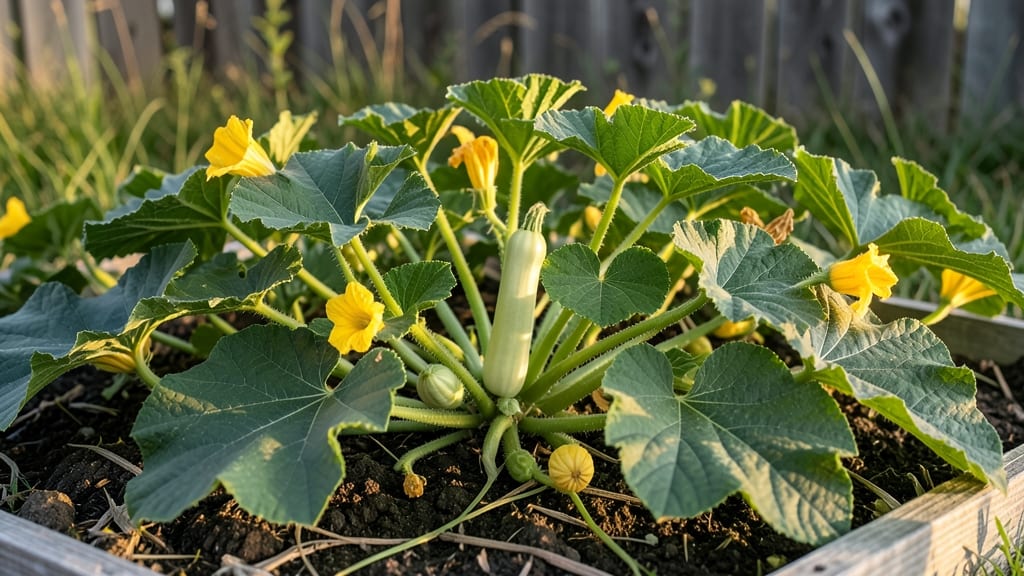
Squash leaves look like broad, deeply veined, and lobed green foliage with rough edges. Summer squash varieties like zucchini have smooth, rounded leaf shapes, while winter squash types such as butternut display jagged, serrated edges and wider lobes.
Squash leaves are instantly recognizable by their bold, oversized structure, often reaching 6-12 inches wide with prominent central veins that create a web-like pattern. 🌿 The deep green color comes from high chlorophyll content, which helps the plant absorb sunlight efficiently.
What sets summer squash apart is their softer, more rounded leaf edges, while winter squash leaves tend to have sharper, almost saw-toothed margins—almost like the plant itself is armored against pests.
These visual cues aren't just for identification; they also indicate the plant's maturity and health, with vibrant leaves signaling strong growth potential.
For gardeners, understanding these leaf patterns helps distinguish between varieties at a glance. For example, a zucchini plant will have leaves that look almost like tiny maple leaves, while a butternut squash will show more elongated lobes with pronounced serrations.
This knowledge becomes especially useful when troubleshooting plant health, as disease symptoms often first appear as irregular spots or discoloration on these large leaves.
💡 In This Article
- Key Differences Between Summer and Winter Squash Leaves
- How to Spot Common Squash Leaf Diseases Through Visual Clues
Key differences between summer and winter squash leaves
Summer squash leaves—like those from zucchini or yellow squash—typically showcase a softer, more rounded shape with 5-7 lobes that resemble a child's handprint. The edges are smooth to slightly wavy, and the central vein is thick but less pronounced compared to winter varieties.
These leaves often measure 6-10 inches wide and have a velvety texture that gardeners describe as "almost fuzzy" when touched. 🌿 The deep green color comes from high chlorophyll levels, which helps the plant thrive in warm climates where summer squash grows best.
Winter squash leaves, such as those from butternut or acorn squash, take on a more angular, jagged appearance with 7-11 lobes and serrated edges that resemble a saw blade. The veins are thicker and more prominent, creating a striking web-like pattern that's easier to see from a distance.
These leaves can grow even larger—sometimes reaching 12 inches or more—and often have a slightly rougher texture. The serrations aren't just for show; they help reduce water loss in cooler climates where winter squash matures.
Here's what these differences mean for identification: summer squash leaves look almost delicate and inviting, while winter squash leaves appear sturdier and more rugged. This contrast reflects their growing seasons—summer squash thrives in short, warm cycles, while winter squash needs time to develop thick skins and sweet flesh.
For example, a zucchini leaf might look like a small maple leaf, while a butternut leaf resembles a giant oak leaf with pronounced teeth.
The vein patterns also tell a story. Summer squash leaves have veins that spread outward in a gentler gradient, while winter squash veins create a more dramatic network that's almost geometric.
This structural difference helps the plant channel nutrients differently—summer squash focuses on rapid fruit production, while winter squash allocates energy to skin thickness and storage.
One pro tip: if you're comparing leaves side by side, hold them up to a light source. The translucency of summer squash leaves will show more clearly through their thinner lobes, while winter squash leaves will appear denser and more opaque.
This visual trick helps distinguish between varieties even when fruits aren't yet visible. 🌱
For gardeners, these visual cues extend beyond identification—they're early warning signs. Summer squash leaves that suddenly develop jagged edges might indicate pest damage, while winter squash leaves with smooth edges could signal nutrient deficiencies. Understanding these patterns helps you intervene before problems affect fruit production.