
Plants
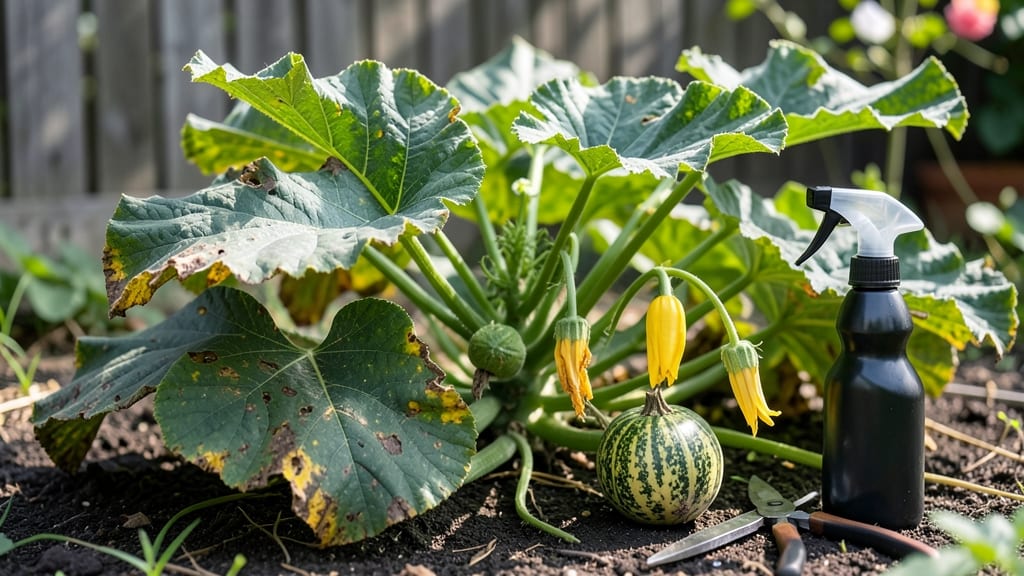
Squash plant blight can turn your thriving vines into a sad, spotted mess in days—unless you act fast. 🌱 I’ve battled powdery mildew, downy mildew, and bacterial blight on my zucchini and pumpkins, and copper spray is the secret weapon that stops it before it ruins your harvest.
The key is catching it early and treating it right, so let’s get your plants back to their healthy, productive selves.
Blight thrives when squash plants are crowded, stressed, or stuck in damp conditions. You’ll spot it as yellow patches, fuzzy white growth, or water-soaked leaves that collapse overnight. The good news?
Copper spray works against fungal and bacterial blight by creating a protective barrier—just mix it up and spray leaves (top and bottom) when symptoms first appear, then repeat every 7–10 days until the threat passes.
With the right treatment, your plants can bounce back in 10–14 days, and you’ll avoid the heartbreak of losing an entire crop. Prune infected leaves immediately to stop the spread, and space your plants properly next season to keep air flowing.
The goal is to save what you can while preventing future outbreaks.
If blight hits hard, you may need to harvest affected fruit quickly and compost the rest—don’t risk spreading spores to next year’s garden. But with copper spray and smart prevention, you’ll keep your squash thriving and your harvests bountiful. Here’s how to do it right.
Root Causes Of Squash Fungal Woes
Squash plant blight—whether it’s Phytophthora, Pseudoperonospora cubensis (downy mildew), or Didymella bryoniae (gummy stem blight)—isn’t just a random attack. It thrives because of specific conditions that weaken your plants and invite fungal invaders.
Understanding these triggers is the first step to stopping the spread. Let’s break down the real reasons your squash is falling prey to blight.
Fungal spores love humidity and heat—think of them as tropical vacationers that overstay their welcome. When temperatures hover between 65–85°F (18–30°C) and nights stay damp (like after heavy rain or poor airflow), spores germinate and spread like wildfire. Here’s why:
- Slow evaporation: High humidity means water lingers on leaves, creating a perfect fungal buffet. Spores land, hydrate, and start feeding within hours.
- Weakened plant defenses: Warmth stresses squash plants, reducing their ability to produce protective compounds like phytoalexins (natural antifungal agents).
- Spores thrive: Many blight-causing fungi (Phytophthora and Pseudoperonospora) need free water on leaf surfaces to infect. Even morning dew can trigger outbreaks if airflow is poor.
Actionable fix: Space plants 3–4 feet apart for airflow, avoid overhead watering (use drip irrigation), and harvest promptly to reduce leaf wetness.
Drowning your squash isn’t just bad for roots—it’s an open invitation to blight. Fungi like Didymella bryoniae (gummy stem blight) spread through splashing water, while Phytophthora thrives in waterlogged soil. Here’s how watering gone wrong fuels blight:
- Splash dispersal: Overhead watering or rain splashes spores from infected leaves onto healthy ones, like a fungal game of telephone.
- Root stress: Compacted or soggy soil cuts off oxygen to roots, weakening the plant’s immune system. Weak roots = easier fungal entry.
- Foliar infections: Water sitting on leaves for >6 hours creates ideal conditions for Pseudoperonospora to form downy mildew patches.
Actionable fix:
- Water at soil level (drip irrigation or soaker hoses).
- Ensure 1–2 inches of drainage in containers or raised beds.
- Avoid late-day watering—give leaves time to dry.
Fungal spores are persistent. They can survive in soil for years, lurking until conditions are right. Even "clean" tools can spread blight from one plant to another. Here’s how contamination plays a role:
- Old infections: If you grew squash (or cucurbits like pumpkins) in the same spot last year, Didymella or Phytophthora spores may still be hiding in the soil.
- Tool transmission: Pruners, gloves, or even your hands can carry spores from infected leaves to healthy ones. One snip = instant spread.
- Compost risks: Fresh manure or unsterilized compost can introduce fungal pathogens, giving blight a head start.
Actionable fix:
- Rotate crops—avoid planting squash in the same spot for 3+ years.
- Sterilize tools with 70% rubbing alcohol or a 10% bleach solution between uses.
- Use pasteurized compost or aged manure (composted for 6+ months).
A squash plant under siege from pests, nutrient deficiencies, or physical damage is far more vulnerable to blight. Think of it like a person with a cold—stress lowers their ability to fight off infections. Here’s how stress opens the door:
- Pest damage: Squash bugs, cucumber beetles, or aphids chew leaves, creating entry points for fungi. Their honeydew (sweet residue) also attracts mold.
- Nutrient deficiencies: Low calcium or magnesium weakens cell walls, making them easier for fungi to penetrate.
- Physical trauma: Hail, harsh pruning, or even transplant shock can stress plants, reducing their resistance.
Actionable fix:
- Monitor for pests—use row covers early in the season to block beetles.
- Test soil and amend with lime (for calcium) or Epsom salt (for magnesium) if needed.
- Avoid rough handling—use sharp pruners and prune in morning sunlight to speed healing.
Pro Tip: 💡 Healthy plants resist blight better. Start with disease-resistant varieties (like 'Defender' or 'Hyde' squash) and prioritize preventive care over reactive treatments.
Fixing Fungal Foes Fast
Now that you’ve identified the culprit behind your squash plant’s blight—whether it’s downy mildew, powdery mildew, or bacterial leaf spot—it’s time to take action. The good news? With the right approach, you can stop the spread, save your plants, and prevent future outbreaks.
Below, we’ll break down cause-specific solutions, from immediate fixes to long-term prevention, so your squash patch stays healthy and productive.
Downy mildew thrives in damp, shady conditions, leaving yellow spots on the top of leaves and fuzzy gray growth underneath. Act fast—this fungus spreads like wildfire.
1️⃣ Prune and Isolate Infected Plants 🌿
- Remove affected leaves (don’t compost them—toss in the trash).
- Space plants wider (3–4 feet apart) to improve airflow.
- Avoid overhead watering—use drip irrigation or water at the base.
2️⃣ Apply Copper Fungicide (The Game-Changer) 🛡️
- Mix 1 tbsp copper sulfate per gallon of water (or use a pre-mixed spray like Bordeaux mixture).
- Spray thoroughly on both leaf surfaces, focusing on undersides where spores hide.
- Reapply every 7–10 days or after rain.
3️⃣ Boost Plant Immunity 💪
- Fertilize lightly with a balanced organic fertilizer (10-10-10) to strengthen growth.
- Add mulch (straw or grass clippings) to keep soil moist but prevent splashing water.
💡 Pro Tip: Rotate copper sprays with neem oil (1 tsp per quart of water) for resistance management.
Powdery mildew coats leaves in a white, powdery film, slowing growth and reducing yields. Unlike downy mildew, it loves hot, dry conditions—so prevention is key.
1️⃣ Clean Up Debris and Improve Airflow 🧹
- Remove all infected leaves (burn them if possible).
- Thin out crowded plants—aim for 12–18 inches between vines.
- Prune lower leaves to reduce humidity near the soil.
2️⃣ Spray with Baking Soda or Potassium Soap 🧴
- Baking soda spray: Mix 1 tbsp baking soda + 1 tsp dish soap + 1 gallon water.
Spray every 7–10 days. - Potassium soap spray: Use 1.5–2 tbsp per gallon (follow label instructions). - Add sulfur dust (3 lbs per 100 sq ft) for severe cases.
3️⃣ Prevent Future Outbreaks ☀️
- Water early in the morning so leaves dry quickly.
- Choose resistant varieties like ‘Butternut’ or ‘Acorn’ squash.
- Reflect sunlight with white mulch or aluminum foil to deter spores.
🔥 Hot Tip: A fan on low near plants can reduce humidity and slow mildew growth.
This waterborne bacterial infection causes dark, greasy spots that ooze when wet. Unlike fungi, bacteria can’t be cured—but you can stop its spread.
1️⃣ Remove and Destroy Infected Plants 🚫🌱
- Pull up and dispose of severely infected plants (do not compost).
- Disinfect tools with 70% isopropyl alcohol between uses.
2️⃣ Switch to Copper or Antibacterial Sprays 🛡️
- Copper fungicide (as above) can prevent further spread.
- Antibacterial spray: Mix 1 tsp hydrogen peroxide (3%) + 1 tsp dish soap + 1 gallon water. Spray every 5–7 days.
3️⃣ Adjust Watering and Soil Health 💧
- Water only at the base—never overhead.
- Improve drainage by amending soil with compost or perlite.
- Rotate crops—don’t plant squash in the same spot next year.
✨ Prevention Gold: Plant marigolds nearby—they repel pests that spread bacterial infections!
No matter the cause, these habits will keep your squash blight-free for years:
| Do This ✅ | Avoid This ❌ |
|---|---|
| Rotate crops (don’t plant squash, pumpkins, or cucumbers in the same spot yearly). | Overcrowding—give plants space! |
| Use resistant varieties (check seed packets for “powdery mildew resistant”). | Watering at night—wait until morning. |
| Test soil pH (aim for 6.0–6.8—blight thrives in acidic soil). | Ignoring early signs—act at the first spot! |
| Apply compost tea (boosts natural defenses). | Skipping copper sprays—prevention > cure. |
Final Thought: Blight may sound scary, but with copper sprays, smart watering, and a little elbow grease, you can outsmart it every time. Your squash will thank you with bigger, healthier harvests—and fewer fungal battles next season! 🎉
Frequently asked questions
How do I tell if my squash plant has blight or just normal stress?
Look for these key signs: yellow patches with fuzzy white or gray growth (powdery/downy mildew) or dark, greasy spots that ooze (bacterial blight). Normal stress shows wilting without spots, while blight always leaves visible damage on leaves. Check the undersides too—blight spores love hiding there!
Can I still harvest fruit from blight-infected squash plants?
Yes, but only if the fruit itself is healthy. Remove any infected leaves immediately, and harvest all mature fruit from the plant. Discard heavily spotted or oozing fruit, but clean, unblemished squash is safe to eat. The key is stopping the spread to save your remaining harvest.
Is copper spray safe for edible plants?
When used correctly, copper fungicides are safe for edible plants and approved by the EPA. Wait 3 days after spraying before harvesting leaves or fruit you'll eat raw. Always follow label instructions—overuse can harm beneficial insects and soil microbes. For extra safety, use organic copper like copper sulfate.
How long does it take for copper spray to work on blight?
You'll typically see improvement in 7–14 days with consistent applications. Copper creates a protective barrier that prevents new infections, but it won't cure existing damage. For best results, spray every 7–10 days or after rain, and combine with proper airflow and watering habits. Patience is key—don't give up after one treatment!
What's the best way to dispose of blight-infected plant debris?
Never compost infected leaves or plants—toss them in the trash instead. If possible, burn them (check local regulations first). For severely infected plants, remove them from the garden entirely to prevent spore spread. Disinfect your tools with 70% rubbing alcohol or a 10% bleach solution before storing them.