
Vegetables
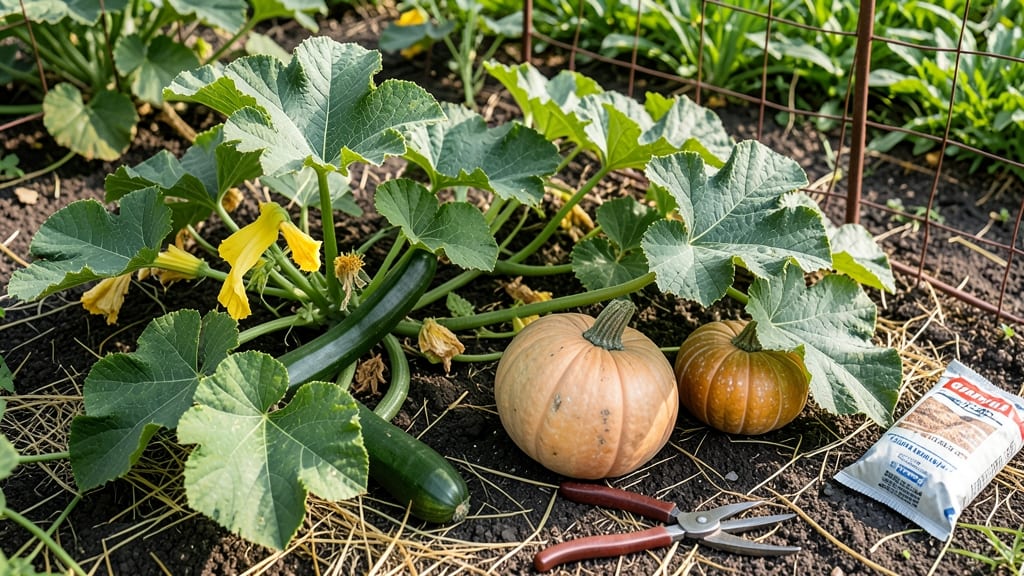
Here are some stunning squash pics varieties—from the classic bright green zucchini to striped pattypan and golden yellow crooknecks—growing in my summer garden alongside heirloom types like 'Black Beauty' zucchini with deep purple skin. 🌿 and 'Sunburst' with golden-yellow stripes, each adding a unique texture and flavor to dishes.
Winter squash steals the show with bold shapes and vibrant hues: deep orange butternut, speckled 'Turk’s Turban,' and the classic pumpkin. These varieties aren’t just for carving—they’re edible stars in soups, roasts, and pies.
The sheer variety makes planning your garden layout a creative adventure, especially when mixing ornamental types like 'Cinderella' pumpkins or 'Jack Be Little' mini pumpkins. Ornamental gourds add drama to fall displays with their ribbed textures and glossy finishes.
'Jester’ gourds in rainbow stripes or 'Warty’ gourds with bumpy skin make perfect centerpieces. The best part? Many of these varieties double as culinary squash—so your garden can be both beautiful and productive. Use these visuals to map out your garden beds or plan your fall decor.
The key is balancing form and function—whether you’re growing for harvests, displays, or both. Here’s how to make the most of your squash variety collection!
Genetic Roots Behind Variety
Squash plants—whether summer, winter, or ornamental—display stunning diversity because of their genetic makeup and adaptive evolution. Each variety has evolved unique traits to thrive in specific climates, resist pests, or produce distinct flavors and textures.
Let’s break down the key reasons why squash varieties look so different in photos and gardens.
Squash plants, part of the Cucurbita genus, have been cultivated for thousands of years. Over time, they’ve adapted to:
- Climate zones: Winter squashes (like butternut or acorn) develop thicker skins and denser flesh to survive colder temperatures, while summer squashes (zucchini, pattypan) prioritize tender, edible skin for quick harvests.
- Growing conditions: Vining varieties (e.g., spaghetti squash) spread horizontally to maximize sunlight, while bush types (like hubbard) grow compactly in limited spaces.
- Pollination needs: Some varieties self-pollinate (e.g., acorn squash), while others rely on bees (e.g., delicata), leading to differences in flower structure and fruit shape.
Pro tip: 🌡️ If you’re growing squash in a new climate, start with heirloom varieties—they’ve already adapted to similar conditions!
Farmers and plant breeders have intentionally shaped squash varieties for centuries. Key factors include:
| Trait Selected | Resulting Variety | Example |
|---|---|---|
| Sweetness | Higher sugar content in flesh | Sugar pie pumpkin |
| Storage Life | Thick rinds, low moisture | Turban squash |
| Ornamental Value | Vibrant colors, unique shapes | Cushaw squash (striped rinds) |
| Disease Resistance | Genetic immunity to pests | Yellow crookneck (powdery mildew-resistant) |
Pro tip: 🔥 For rare varieties, check seed catalogs—many heirloom squashes (like C. moschata types) are bred for both beauty and function!
Random mutations and cross-pollination create unexpected varieties. For example:
- Albinism: Some squashes lack chlorophyll in their rinds (e.g., C. pepo "Albino" types), leading to pale, almost translucent skins.
- Giantism:
Overexpression of growth genes can produce massive fruits like the Atlantic Giant pumpkin (over 2,000 lbs!). - Hybrid vigor: Crosses between species (e.g., C. maxima × C. moschata) create hardier, high-yielding varieties like Hubbard squash.
Pro tip: 🌱 If you’re experimenting with crosses, isolate plants by at least 10 feet to avoid accidental pollination!
From survival instincts to human ingenuity, the diversity in squash varieties is a testament to nature and nurture working together. 🍂
Revitalize Your Squash Garden Now
Growing a thriving squash garden is all about addressing challenges head-on with practical, step-by-step fixes. Whether you're dealing with pests, diseases, or poor yields, these solutions will help you turn problems into opportunities for a bountiful harvest.
Let’s tackle the most common issues and restore your squash plants to their full potential.
Cause: Aphids, squash bugs, cucumber beetles, or powdery mildew can wreak havoc on your plants. Fix:- 🔥 Handpick pests early – Check leaves daily, especially undersides, and squash bugs on stems. Drop them into soapy water to eliminate them.
- 🍳 Use natural sprays – Mix 1 tbsp neem oil + 1 tsp dish soap + 1 quart water in a spray bottle. Apply at dawn or dusk to avoid harming bees.
- 👨🍳 Plant companion crops – Interplant with nasturtiums, marigolds, or basil to repel pests naturally.
- ⏰ Rotate crops yearly – Avoid planting squash in the same spot to break pest life cycles.
💡 Pro Tip: For severe infestations, cover young plants with floating row covers until flowering to block pests entirely.
Cause: Powdery mildew, downy mildew, or bacterial wilt can stunt growth or rot fruit. Fix:- 🌿 Improve airflow – Space plants 3–4 feet apart and prune crowded vines to reduce humidity.
- 💧 Water at the base – Avoid overhead watering; use drip irrigation to keep leaves dry.
- 🎯 Apply fungicide sprays – Use copper fungicide or a baking soda mix (1 tbsp baking soda + 1 quart water + a drop of soap) every 7–10 days.
- 🔪 Remove infected plants – Pull and destroy diseased foliage immediately to prevent spread.
✨ Prevention Tip: Choose resistant varieties like ‘Butternut Waltham’ or ‘Golden Zucchini’ for mildew-prone areas.
Cause: Inconsistent pollination, nutrient deficiencies, or environmental stress. Fix:- 🐝 Hand-pollinate flowers – Use a soft paintbrush to transfer pollen from male (stemless) to female (tiny squash at base) flowers in the morning.
- 💪 Fertilize correctly – Side-dress with compost or 5-10-10 fertilizer when vines start running, but avoid excess nitrogen (it promotes leaves over fruit).
- 🌡️ Maintain steady temperatures – Squash thrives in 70–90°F; use shade cloth in extreme heat or mulch to regulate soil temps.
- 🍎 Balance watering – Keep soil consistently moist but not soggy; drought or overwatering can cause blossom drop.
💡 Pro Tip: If flowers drop without fruiting, check for cucumber beetles (they damage blossoms) and treat with kaolin clay as a barrier.
Cause: Overcrowding, poor soil, or transplant shock. Fix:- 🌱 Thin seedlings – Leave 2–3 strong plants per hill (squash are vining and need space).
- 🥘 Amend soil before planting – Mix in compost, aged manure, and a handful of bone meal for phosphorus (root/fruit development).
- 🔪 Support struggling vines – Use straw mulch to protect stems from rot and small trellises for heavy varieties like pumpkins.
- ⏰ Transplant at the right time – Wait until soil is at least 60°F and harden off seedlings gradually (acclimate to outdoors over 1 week).
🎯 Prevention Tip: Test soil pH (aim for 6.0–6.8); squash prefer slightly acidic to neutral soil.
With these targeted fixes, your squash plants will bounce back stronger than ever. 🌿💪 Stay vigilant, adapt your approach as needed, and soon you’ll be enjoying a vibrant harvest of summer, winter, and ornamental varieties!
Frequently asked questions
1What’s the easiest squash variety to grow for beginners?
Start with zucchini or yellow crookneck—they’re fast-growing, prolific, and forgiving of minor mistakes. Both varieties produce abundant fruit even in average soil, and their bright colors make them perfect for garden photos. Just be ready to harvest every 3-5 days to keep production going!
2How can I tell if a squash is edible or just decorative?
Edible squashes (like butternut or acorn) have thin, tender skins when cooked, while ornamental types (such as Cinderella pumpkins) often have thick, inedible rinds designed for display. Check the variety name—culinary squashes will say "edible" or "for cooking" on seed packets.
3Which squash varieties store the longest for fall displays?
Winter squashes like butternut (up to 3 months), Hubbard (up to 4 months), and Turk’s Turban (up to 2 months) store best in cool (50-55°F), dry conditions. Cure them first by placing in sunny 80-85°F for 10 days to harden the skin.
4Can I grow ornamental squash in containers?
Yes! Compact varieties like mini pumpkins (e.g., Jack Be Little) or bush-type zucchini thrive in 5-gallon containers with well-draining soil. Just ensure pots have drainage holes and provide 6+ hours of sunlight daily. Containers also make it easier to move plants if frost threatens.
5What’s the rarest squash variety I can find?
Try Heirloom Cushaw (striped rinds) or Albino Zucchini (pale green skin) from specialty seed banks like Baker Creek Heirloom Seeds. Other unique finds include Tromboncino (long, trumpet-shaped) or Sweet Dumpling (sweet, dense flesh). Check local seed swaps for hidden gems!