
Planting
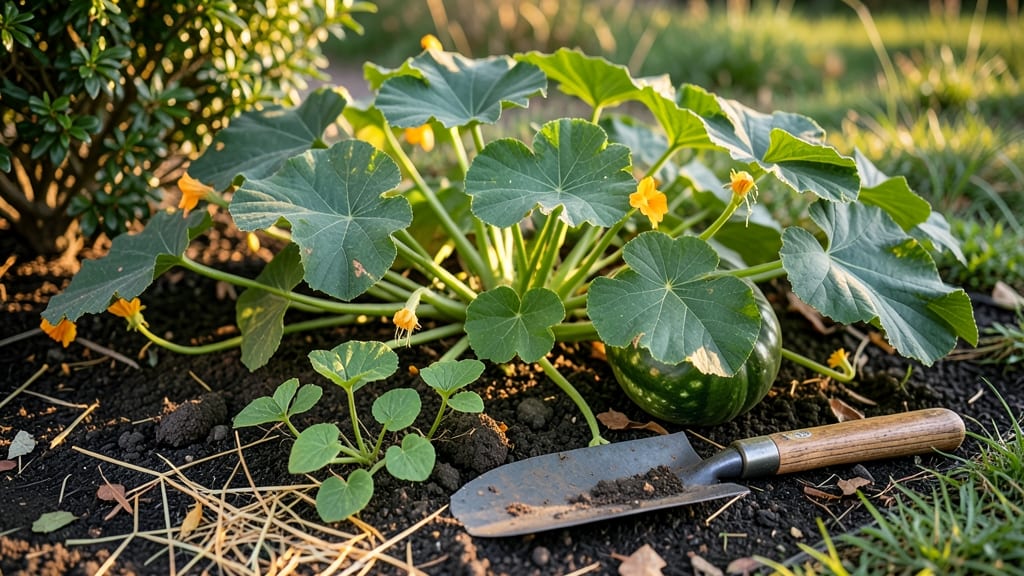
To plant acorn squash 🎃 the right distance apart means the difference between a bountiful harvest and struggling plants fighting for space.
Struggling to maximize your garden’s yield with acorn squash? Proper spacing isn’t just about aesthetics—it’s the difference between thriving vines and stunted, disease-prone plants. Whether you’re growing bush or vining varieties, getting the spacing right ensures better airflow, sunlight exposure, and harvest size.
Bush types like 'Table Queen' need 3 feet between plants, while vining varieties such as 'Sweet Dumpling' demand 5 feet to sprawl comfortably. Crowding them too closely leads to poor airflow, inviting fungal diseases like powdery mildew, which can ruin your entire crop.
In this guide, I’ll break down the exact spacing rules for both types, how to adjust for your garden layout, and pro tips to prevent common mistakes that sabotage growth. By the end, you’ll know exactly how far apart to plant acorn squash for a thriving, productive patch.

Acorn squash spacing guide: bush vs vining varieties compared
Acorn squash thrives when given the right amount of space, but spacing needs vary dramatically between bush and vining varieties. Bush types like 'Table Queen' stay compact, while sprawling vining varieties like 'Sweet Dumpling' spread aggressively.
Getting this wrong can lead to crowded vines, poor airflow, and even disease—so let’s break down the exact distances you need. Proper spacing ensures each plant gets 6-8 hours of sunlight and reduces competition for nutrients, leading to larger, healthier squash. 🌱
For bush acorn squash, think of them like dwarf tomato plants—they stay contained but still need room to breathe. These varieties grow 1-2 feet tall with vines spreading 3-4 feet wide, making them ideal for small gardens or containers.
On the other hand, vining acorn squash can sprawl 6-10 feet or more, requiring much wider spacing to prevent vines from tangling or shading each other. This distinction alone can double your yield if done correctly. 🎃
| Variety Type | Plant-to-Plant Spacing | Row Spacing | Mature Spread | Best For |
|---|---|---|---|---|
| Bush Varieties | 24-36 inches | 3-4 feet | 3-4 feet wide | Small gardens, containers, raised beds |
| 'Table Queen' | 24 inches | 3 feet | 3 feet wide | Compact harvests, early maturing |
| 'Sweet Dumpling' | 36 inches | 4 feet | 6-8 feet wide | Large harvests, trellising |
| Vining Varieties | 36-48 inches | 5-6 feet | 6-10 feet wide | Large gardens, trellises |
| 'Autumn Ale' | 48 inches | 6 feet | 8-10 feet wide | High yields, cold tolerance |
The row spacing for acorn squash is just as critical as the distance between plants. Bush varieties like 'Table Queen' need 3-4 feet between rows to allow easy access for weeding and harvesting. Vining types, however, require 5-6 feet between rows to accommodate their sprawling growth habits.
If you’re short on space, consider trellising vining varieties—this not only saves space but also improves airflow, reducing the risk of powdery mildew and other fungal diseases. 🌿
Why does spacing matter so much? Poor airflow is the enemy of acorn squash. When vines are crowded, moisture lingers on leaves, creating the perfect conditions for fungal infections like downy mildew. Additionally, crowded plants compete for nutrients and sunlight, resulting in smaller squash and weaker vines.
Proper spacing ensures each plant gets the 6-8 hours of sunlight it needs daily, which is crucial for fruit development and sugar production in the squash. ☀️
If you’re growing acorn squash in raised beds or containers, adjust your spacing accordingly. For bush varieties, plant 2-3 seeds per hill with hills spaced 24-36 inches apart. In containers, use 5-gallon pots for each plant, ensuring they’re placed 12-18 inches apart to allow for root expansion.
For vining types, larger containers (at least 10 gallons) are ideal, with plants spaced 36 inches apart. Always use well-draining soil mixed with compost to support healthy root growth. 🪴
Another pro tip: thin your seedlings to the strongest plant per hill once they’re 2-3 inches tall. This might seem harsh, but it prevents overcrowding from the start. If you’re growing multiple varieties, group bush types together and vining types separately to avoid mixing their spacing needs.
For example, planting 'Sweet Dumpling' next to 'Table Queen' could lead to one variety being overcrowded while the other has too much space. 🌱
For those with limited space, consider vertical gardening techniques. Vining acorn squash can be trained to grow up a trellis or sturdy fence, saving ground space while still producing large squash.
Just ensure your trellis is at least 6 feet tall and wide enough to support the weight of mature fruits. This method also makes harvesting easier and reduces the risk of squash rotting on the ground. ✂
How to adjust spacing for different garden layouts and soil conditions
When your garden space or soil conditions aren't perfect, acorn squash spacing becomes even more critical. Poor soil drainage or high humidity can turn your dream harvest into a fungal nightmare if plants are too close.
I’ve learned that adjusting spacing based on your layout—whether it’s raised beds, containers, or traditional rows—can make all the difference in yield and plant health.
For vining varieties like 'Sweet Dumpling,' trellising isn’t just helpful—it’s a game-changer. Without support, these sprawlers can spread 6-8 feet, but with a sturdy trellis, you can cut that footprint in half while improving airflow.
Even bush varieties like 'Table Queen' benefit from strategic spacing adjustments when growing in containers or poor soil.
Key Takeaway: Adjust spacing based on your growing conditions to maximize yield and prevent disease. Here’s how to optimize for different setups:
Acorn Squash Spacing Adjustments
Standard Spacing:
- Bush varieties: 3-4 ft apart
- Vining varieties: 4-6 ft apart
- Row spacing: 4-5 ft
Adjustments:
- Raised beds: Reduce to 2-3 ft (shallow roots)
- Containers: 1 plant per 12" pot (bush types)
- Poor soil: Increase to 5-6 ft (stress reduction)
- High humidity: Add 1-2 ft extra (airflow)
Trellising Tip:
- Vining types: 3-4 ft vertical spacing
- Support: Use heavy-duty trellis (50+ lbs capacity)
- Good: Nasturtium, beans, corn
- Avoid: Potatoes, melons (compete for nutrients)
In raised beds, where soil warms faster and drains better, you can reduce spacing by 30-50% compared to in-ground planting. I’ve found that 2-3 feet apart works well for bush varieties, while vining types still need 4 feet to avoid shading.
The key is to mulch heavily to retain moisture and prevent soil-borne diseases from spreading between plants.
For container growing, acorn squash is surprisingly adaptable if you choose the right variety. Bush types like 'Sweet Meat' thrive in 12-inch pots with one plant per container, while vining varieties need 18-inch pots and a small trellis.
Always use well-draining mix with 50% compost to mimic fertile garden soil, and water daily in summer to compensate for the limited root zone.
If your garden battles poor soil or high humidity, increase spacing by 20-30% to improve airflow. I’ve seen powdery mildew wipe out entire rows of squash when plants were crowded in damp conditions. Adding 1-2 feet extra between plants and pruning lower leaves can make a dramatic difference.
For sandy soil, mulch with straw to retain moisture, while clay soil benefits from gravel trenches to improve drainage.
Don’t overlook companion planting as a spacing hack. Pairing acorn squash with nasturtiums deters pests naturally, while corn or beans provide shade for roots in hot climates. Avoid planting near potatoes or melons, which compete for the same nutrients and space.
In my 4x8-foot raised bed, I’ve fit 6 bush squash, 4 nasturtiums, and 2 corn stalks without crowding—proving that smart spacing and companionship can double your harvest in the same footprint.