
Companion Plants
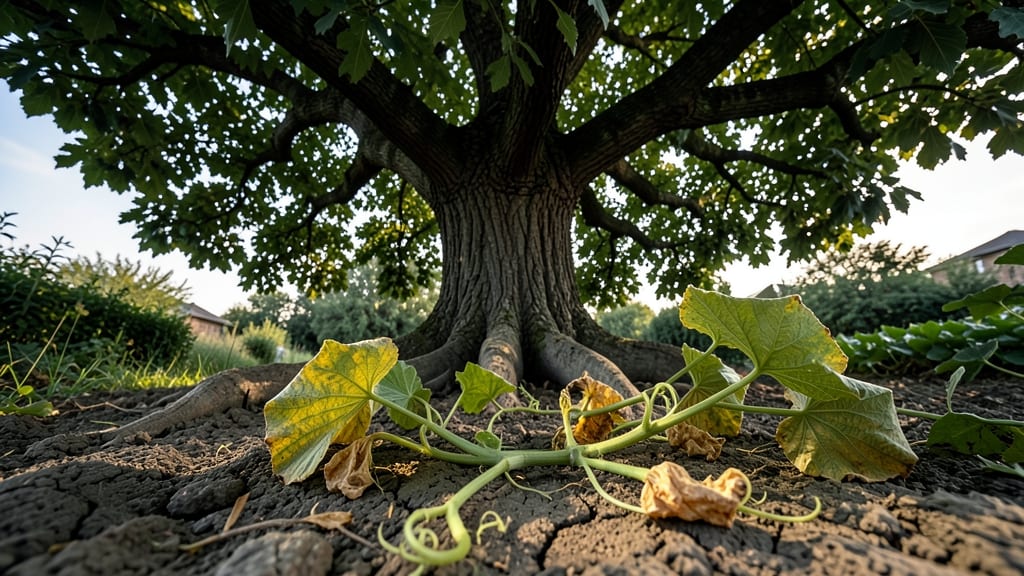
Squash thrives when planted correctly, but some garden companions can stunt growth, attract pests, or even kill your crop. Avoid these ten problematic plants to ensure your squash vines stay healthy and productive all season long.
Potatoes Near Squash Beds
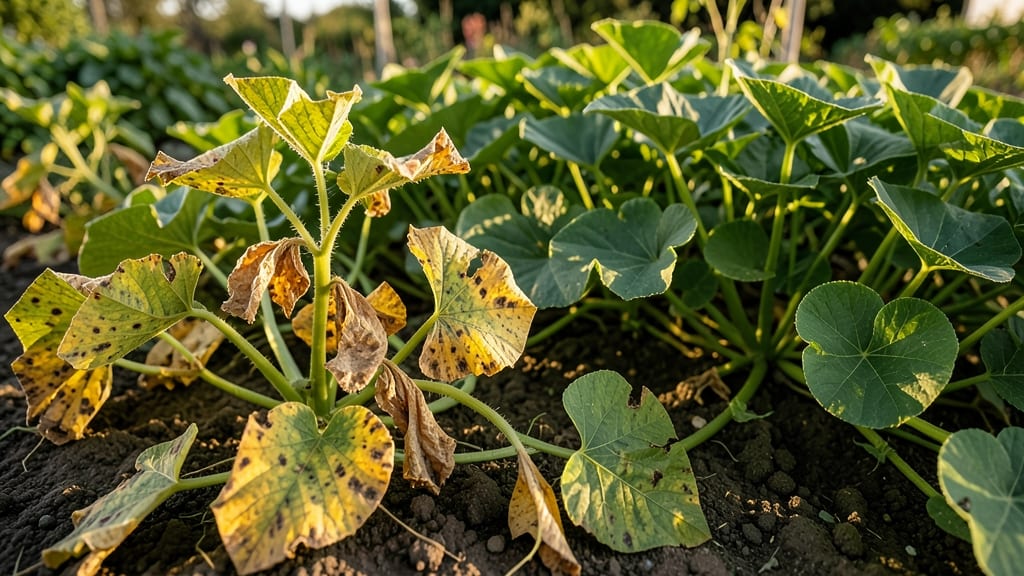
If your squash plants are wilting, yellowing, or sporting mysterious brown spots—especially in hot, muggy weather—potatoes might be the culprit lurking nearby. This underground duo looks harmless together, but potatoes are secret nutrient hogs that starve squash vines while also spreading early blight, a fungal disease that turns leaves into a Swiss cheese of decay.
Potatoes and squash both crave nitrogen-rich soil, but potatoes win every time, leaving squash weak and vulnerable. Even worse, their shared fungal pathogens thrive in warm, humid conditions—perfect for the blight spores that jump from potato leaves to squash foliage. Keep these tubers at least 10 feet away from your squash patch, or better yet, grow them in completely separate garden sections.
This warning is especially critical for gardeners in southern climates or humid regions where blight spreads like wildfire. A little distance now saves you from a ruined harvest later. 🌿
Fennel Roots in Squash Patch
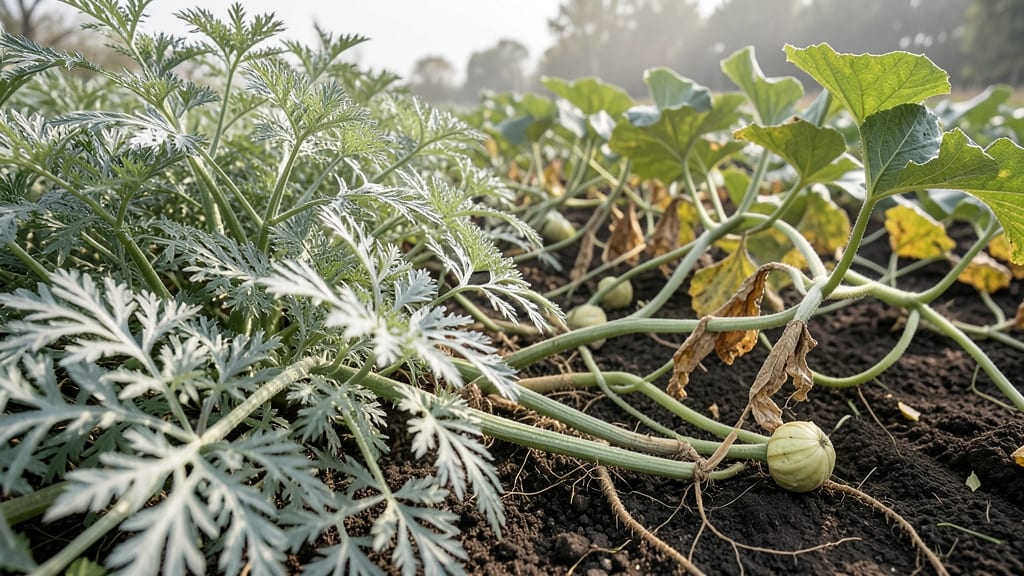
If you’ve ever planted fennel near your squash, you might have noticed something odd—your squash vines seem to struggle, growing slower and producing fewer fruits. This isn’t a coincidence. Fennel releases allelopathic chemicals through its roots that directly inhibit squash growth, stunting vine development and reducing yields.
The problem starts when fennel’s roots release these natural growth inhibitors into the soil, which squash plants absorb. Within weeks, you’ll see yellowing leaves, stunted vines, and smaller fruits compared to squash grown elsewhere in the garden. Even if the squash survives, its productivity suffers—sometimes by as much as 30-50%. This chemical warfare makes fennel one of the worst companions for squash, especially in small gardens where space is limited.
If you love both fennel and squash, plant them at least 10 feet apart or in completely separate beds. Urban gardeners with limited space can opt for container-growing fennel to avoid this conflict entirely. Your squash will thank you with stronger vines and bigger harvests. 🌱
Aromatic Herbs Like Sage
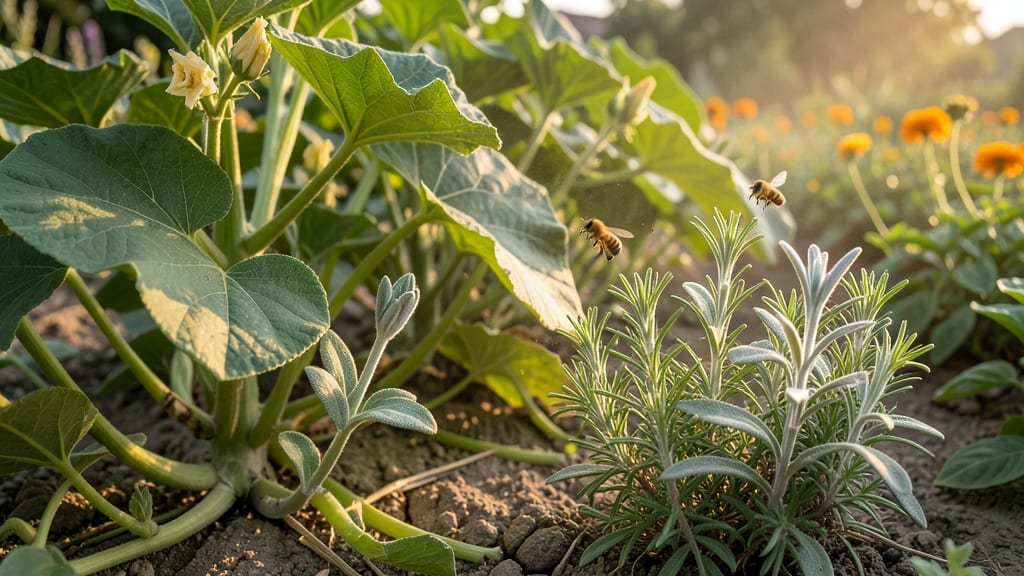
If your squash patch is struggling to produce fruit despite healthy-looking vines, the culprit might be hiding in plain sight—strongly aromatic herbs like sage or rosemary. These fragrant plants release powerful scents that overwhelm squash pollinators, making it harder for bees to find and fertilize flowers.
The problem worsens in small home gardens where bee traffic is already limited. When bees get confused by competing scents, they may skip your squash flowers entirely, leading to fewer pollinated blossoms and smaller harvests. Even if you see flowers blooming, the lack of pollination means many will drop off without forming fruit.
This is especially tricky for gardeners who love growing herbs—simply relocating sage or thyme a few feet away can dramatically improve your squash's fruit set. 🌿
Tomatoes Sharing the Same Space
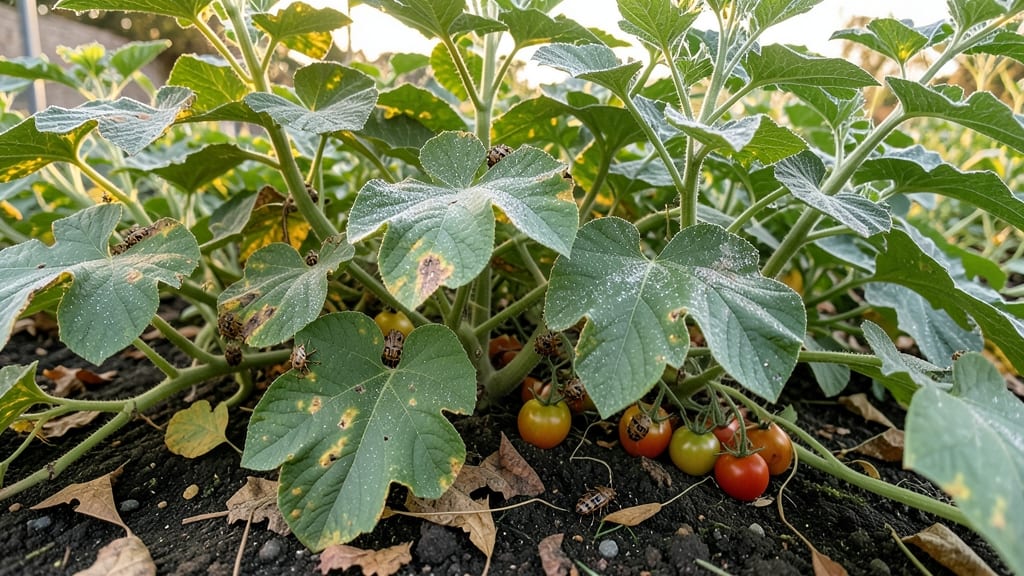
If your tomatoes and squash are sharing the same garden bed, you might be unknowingly creating a pest party that neither crop wants to attend. Both plants attract squash bugs and aphids, which feast on their leaves and spread fungal diseases like early blight and powdery mildew—turning your harvest into a battlezone.
This vicious cycle starts when pests move between the plants, weakening their defenses. Tomatoes and squash also share similar watering needs, which can lead to overhead moisture—the perfect breeding ground for fungal spores. Watch for yellowing leaves, stunted growth, or sticky residue (aphid honeydew) as red flags.
Instead of planting them together, separate them by at least 10 feet or use raised beds to break the cycle. For small gardens, opt for marigolds or basil near squash to deter pests naturally. 🌱
Brassicas Like Cabbage Family Plants
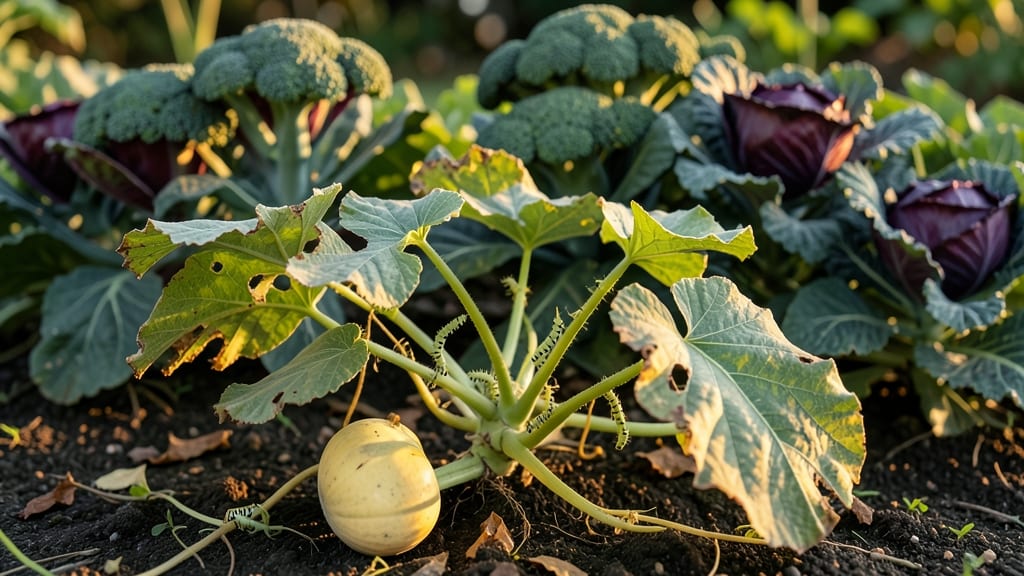
If your squash plants are mysteriously attracting cabbage worms and struggling to grow, the culprit might be lurking nearby in your garden. Brassicas—like cabbage, broccoli, kale, and Brussels sprouts—create a double whammy for squash by drawing pests that also feast on squash leaves while sapping the same nutrients your vines need to thrive.
These leafy greens and their relatives release compounds that attract cabbage worms, which are just as eager to munch on squash foliage. What’s worse, brassicas thrive in the same nitrogen-rich soil that squash vines crave, leaving your squash plants stunted and hungry. Even if you’re not seeing pests, the competition for nutrients can reduce yields and weaken plants over time.
Gardeners with limited space should avoid planting brassicas within 10 feet of squash beds. If you love both, opt for raised beds or containers to separate them while still enjoying both crops. This simple swap can mean the difference between a bountiful harvest and a battle with pests. 🌱
Peas in Direct Squash Proximity
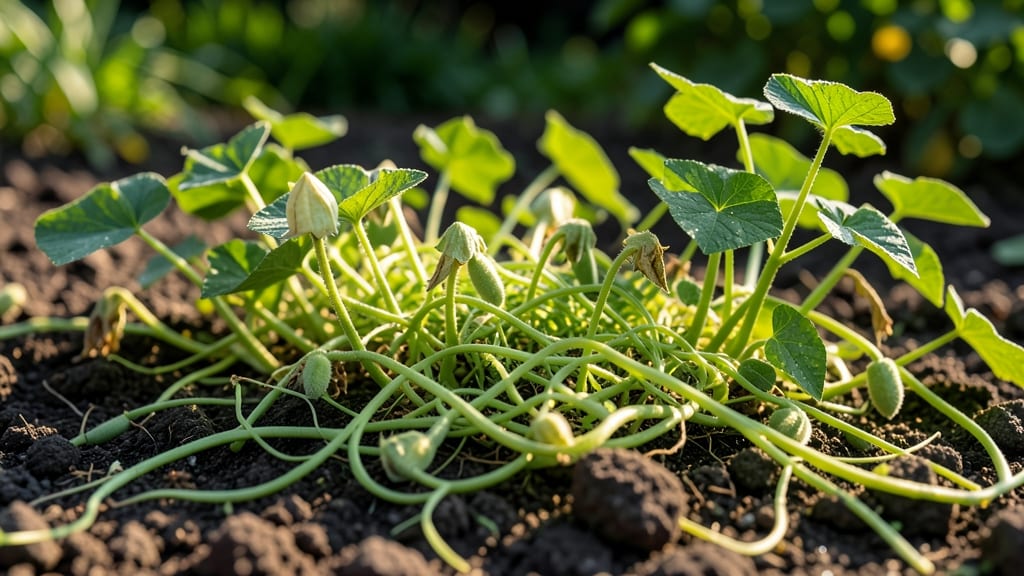
If your squash seedlings are struggling to emerge or look stunted, peas might be the culprit lurking nearby. These fast-growing legumes don’t just compete for water—they can smother young squash plants and throw off your soil’s delicate balance.
Peas fix nitrogen in the soil, which sounds helpful, but their rapid growth and deep roots create an imbalanced soil environment that harms squash roots. They also compete aggressively for moisture, leaving your squash vines thirsty and stressed. Even if you harvest the peas early, the damage to your squash’s root system can linger.
This pairing is especially problematic for beginner gardeners or those growing squash in containers where space is limited. If you love both crops, plant peas in a separate bed or successionally—just keep them at least 10 feet away from your squash patch. 🌱
Onions or Garlic Too Close
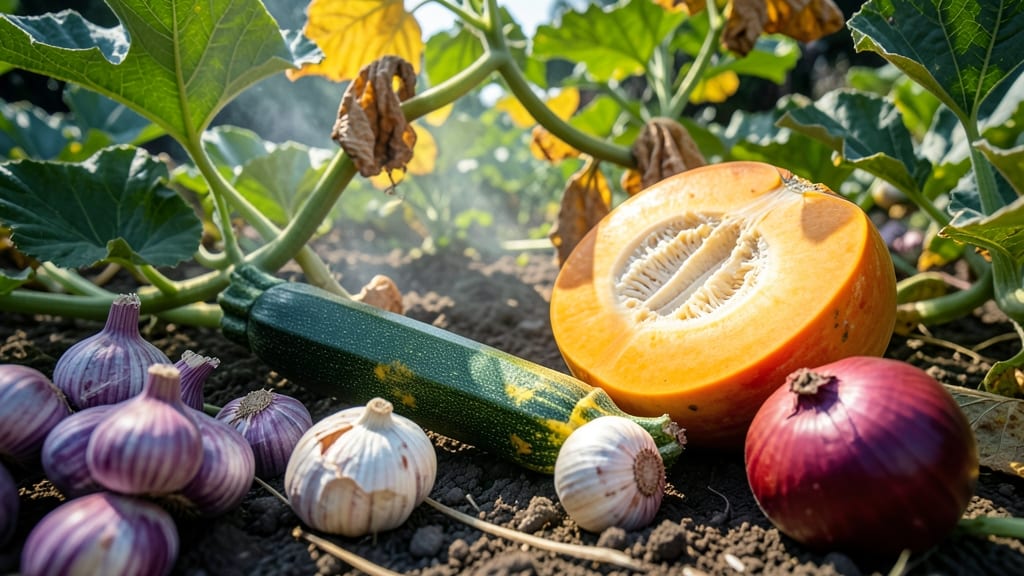
If your zucchini or pumpkins are tasting bitter or developing odd flavors, onions and garlic might be the culprits lurking nearby. These alliums release sulfur compounds that don’t just affect taste—they also disrupt the delicate ecosystem squash needs to thrive.
When planted too close, sulfur compounds can alter squash flavor and repel beneficial insects like ladybugs and lacewings, which naturally control cucumber beetles and squash bugs. Keep these plants at least 10 feet apart to prevent flavor changes and maintain your garden’s pest control balance. Even small amounts of garlic or onion residue in compost can linger and affect nearby squash.
This issue hits home gardeners hardest when using square-foot gardening or small raised beds, where space is limited. If you love both alliums and squash, try separating them by a living mulch of clover or a physical barrier to protect your harvest. 🌱
Corn in Squash Planting Area
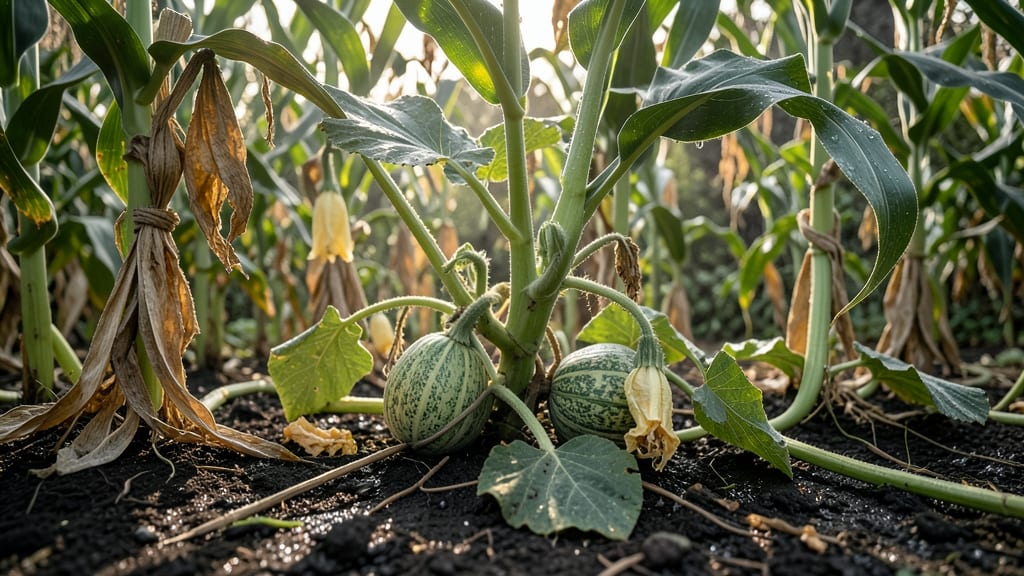
Planting corn near your squash might seem like a space-saving strategy, but this pairing creates a double whammy for your garden. Both crops attract the same corn earworms, which will happily munch on squash blossoms and fruit, while the dense corn stalks trap excess moisture around squash vines—perfect conditions for powdery mildew to take hold.
Watch for white, powdery patches on squash leaves and stems, a classic sign of fungal infection. The problem worsens in humid climates where airflow is restricted. Even if you use disease-resistant squash varieties, the shared pest pressure from corn earworms can still reduce yields by up to 30%.
This combo is especially risky for gardeners in small spaces or raised beds where airflow is already limited. If you love growing both, plant corn at least 10 feet away from squash or use trellises to improve airflow around squash vines. 🌱
Pole Beans Near Squash Vines
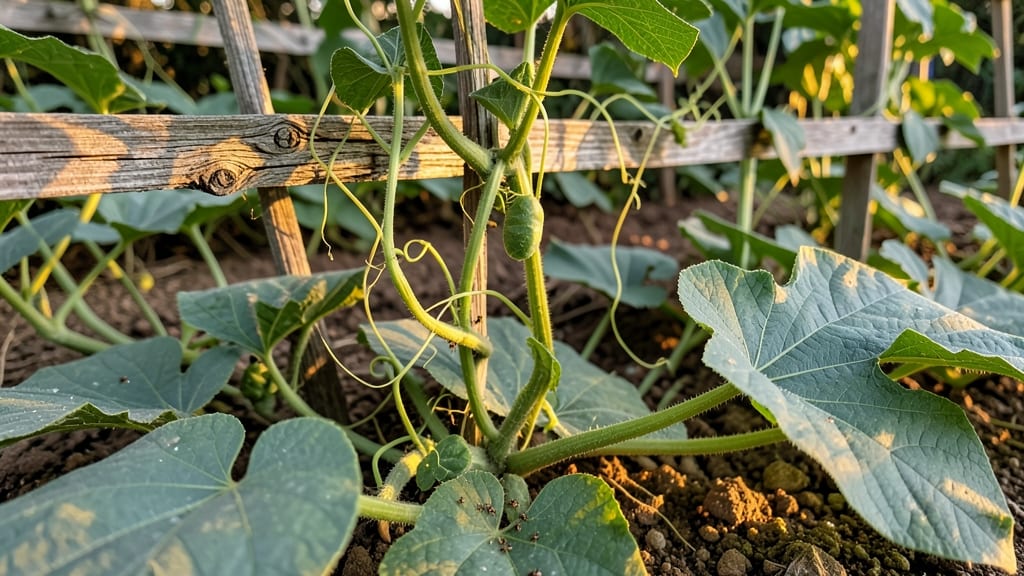
If you're dreaming of a three-dimensional garden with pole beans climbing trellises, think twice before placing them near your squash vines. While beans are great nitrogen-fixers, their vertical growth habit and shared pest attraction can turn your squash patch into a battleground for space and aphids.
Pole beans compete aggressively for vertical space, shading squash leaves and reducing photosynthesis. Even worse, both plants attract the same aphid populations, which weaken squash vines by sapping sap and spreading viruses. You'll notice stunted growth, yellowing leaves, and fewer fruits—all signs your squash is struggling to thrive in this crowded environment.
This pairing is especially problematic for small-space gardeners or those using trellises, as the competition becomes even more intense. Instead, plant beans in separate areas or opt for bush varieties that stay low to the ground. 🌱
Walnut Trees in Garden Soil

If your garden includes a walnut tree, squash might be fighting an invisible battle—one that starts long before planting. The tree’s roots release juglone, a natural toxin that can stunt squash growth, yellow leaves, and even kill young vines, even if the squash is planted in adjacent soil or composted walnut leaves.
Juglone persists in the soil for years, so avoid planting squash within 20–30 feet of walnut trees. Symptoms include leaf scorch (brown, crispy edges) and stunted vines. If you’re dealing with an established walnut, try container gardening for squash or choose juglone-tolerant plants like sunflowers or marigolds instead.
This is a hidden challenge for gardeners with mature walnut trees—knowing where to plant squash can mean the difference between a thriving harvest and a disappointing season. 🌿