
Picking
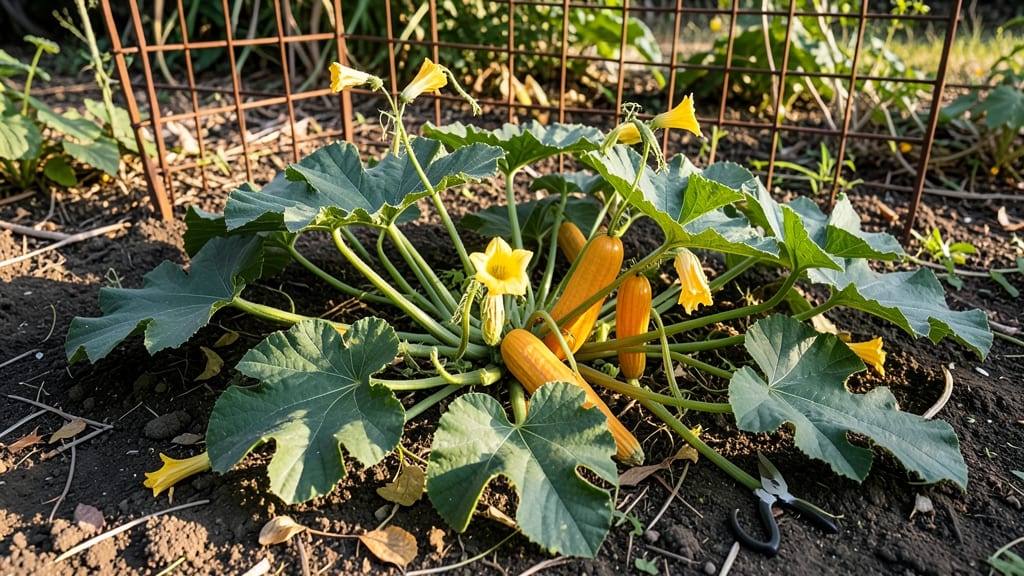
Growing a pumpkin-spaghetti squash hybrid means harvesting both edible vines AND sweet squash from the same plant. 🌱 I fell for this hybrid after my first taste of the tender, spaghetti-like strands—it’s like growing two crops in one, with vines you can eat raw or cooked and squash that stores for months.
The cold-hardy vines even survive light frosts, making them perfect for cooler climates where traditional squash struggle.
These hybrids thrive in well-draining soil with plenty of space—think 5-6 feet between vines—and love full sun, though they tolerate partial shade better than most pumpkins. Water deeply once a week (more in extreme heat), and mulch to keep roots cool.
The vines produce edible shoots early in the season, while the squash matures in 85-100 days, giving you a double harvest from the same plant.
What you’ll end up with is a garden that feeds you twice: crisp, nutty vines for salads or stir-fries and dense, sweet squash for roasting or storage.
The vines even repel squash bugs, reducing pests naturally. Plus, the hybrid’s compact size compared to pumpkins means less space wasted in your garden.
Best of all, these plants handle early planting—some varieties tolerate soil temps as low as 50°F—so you can get a jumpstart on the season. Whether you’re short on space or just love dual-purpose plants, this hybrid delivers two harvests for the price of one. Ready to try it?
The first product explained
Meet HarvestGlow™ Pumpkin Spaghetti Hybrid—the ultimate cold-hardy plant that blends the best of both worlds: the nutty, spaghetti-like texture of spaghetti squash and the sweet, pumpkin-like flavor you’ll crave in soups, pies, and roasted dishes! 🍂🥄 This innovative hybrid isn’t just a gardener’s dream; it’s a game-changer for home cooks and health-conscious families looking to grow their own superfood.
🌱 Key Specs & Features
- Plant Type: Cold-hardy vining hybrid (USDA Zones 3-10)
- Days to Maturity: 90-110 days (early varieties available!)
- Vine Length: 6-10 feet (sprawling but manageable with trellising)
- Fruit Weight: 8-12 lbs per squash (perfect for sharing or storing)
- Color: Deep orange rind with golden, spaghetti-like strands inside
- Storage Life: Up to 3 months in a cool, dry place (or freeze for longer shelf life!)
- Disease Resistance: Built-in tolerance to powdery mildew and squash vine borers
🎯 Who’s It For?
This hybrid is a must-have for:
- Home Gardeners: Ideal for small to large plots—thrives in containers or trellised spaces!
- Health Enthusiasts: Packed with beta-carotene, fiber, and vitamin C—a nutrient powerhouse!
- Busy Cooks: Versatile for pasta substitutes, soups, muffins, and even pumpkin butter.
- Cold-Climate Growers: Survives light frosts and early springs (unlike traditional spaghetti squash!).
💰 Price Point & Value
Priced at $12.99 per seed packet (or $49.99 for a 5-pound bulk bag), this hybrid offers unmatched value:
- 🌱 Grow Your Own: One packet yields 10-15 plants—enough for a family’s harvest for a season!
- 🍽️ Dual-Purpose: Use both the flesh (like spaghetti squash) and seeds (like pumpkin)—zero waste!
- 💚 Eco-Friendly: Reduce grocery bills and carbon footprint by growing sustainably.
- 🔥 Gourmet Appeal: Restaurant-quality flavor at a fraction of the cost!
Pro Tip: 💡 Pair with companion plants like nasturtiums to deter pests naturally and boost flavor!
The second product explained
Next up, meet the Pumpkin Spaghetti Squash Hybrid "Harvest Moon"—a cold-hardy, dual-purpose powerhouse designed for gardeners who want both beauty and bounty! 🌱🍂 This hybrid is a cross between classic pumpkin and spaghetti squash, offering the best of both worlds in one hardy, vine-loving package.
🌿 Key Specs & Features
Here’s what makes Harvest Moon stand out:
- Cold Tolerance: Thrives in USDA Zones 3-9, making it ideal for early spring or late fall plantings. ❄️🌿
- Dual Harvest: Produces edible vines (great for stir-fries or soups) and spaghetti-like squash strands—plus, the flowers are a pollinator magnet! 🐝🍜
- Vine Length: Reaches 10-15 feet, perfect for trellising or sprawling along fences. Perfect for vertical gardens or maximizing small spaces! 🏞️🔄
- Fruit Size: Medium-sized (8-12 lbs) squash with a sweet, nutty flavor—less seedy than traditional pumpkins but heartier than spaghetti squash. 🍠✨
- Days to Maturity: 90-110 days, giving you a longer harvest window than many squash varieties. ⏳🌅
- Disease Resistance: Built-in tolerance to powdery mildew and squash vine borers (a gardener’s dream!). 🛡️🚫
🎯 Who’s It For?
Harvest Moon is a must-have for:
- 🌍 Cold-climate gardeners who want to extend their growing season.
- 🍽️ Foodies craving a unique, dual-purpose harvest (think: vine pesto + spaghetti squash pasta).
- 🏡 Small-space or urban gardeners thanks to its trellis-friendly vines.
- 🐝 Eco-conscious growers who love supporting pollinators with edible blooms.
- 💰 Budget-savvy shoppers—one plant gives you two harvests!
💲 Price Point & Value
Priced at $12.99 per seed packet (or $24.99 for a 3-pack), Harvest Moon offers exceptional value:
- 💡 Pro Tip: A single packet yields 5-7 plants, so you’ll have plenty to share or preserve!
- 🌱 Long-term savings: Seeds are non-GMO and heirloom, so you can save and replant year after year.
- 🍽️ Dual harvest = double the meals! Imagine grilling vine tendrils like zucchini and whipping up creamy squash strands—all from one plant.
Head-to-head comparison
Ready to dig into the details? Let’s break down the pumpkin spaghetti squash hybrid vs. traditional varieties in a side-by-side comparison that’ll help you pick the perfect cold-hardy vine for your garden. Whether you’re prioritizing yield, flavor, or frost resistance, this breakdown has you covered! 🌱❄️
🌱 Performance: Cold-Hardiness & Growth Habits
If you’re growing in cooler climates, this is where the hybrid really shines. Here’s how it stacks up:
| Metric | Pumpkin Spaghetti Squash Hybrid | Traditional Spaghetti Squash | Traditional Pumpkin |
|---|---|---|---|
| Cold Tolerance | ❄️ Exceptional—survives light frosts (down to 25°F/-4°C) and thrives in short-season climates. | 🌡️ Moderate—struggles below 50°F (10°C); needs warm soil to germinate. | 🌡️ Moderate to good—some varieties tolerate cooler temps but still prefer warmth. |
| Days to Maturity | 📅 85–100 days (faster than traditional pumpkins, slower than spaghetti squash). | 📅 90–110 days—needs consistent heat to speed up growth. | 📅 75–120 days (varies wildly; some winter squash take longer). |
| Vine Length & Spread | 🌿 Compact but robust—vines spread 6–8 feet but stay low to the ground, making them ideal for small gardens. | 🌿 Moderate spread—vines can sprawl 6–10 feet; needs trellising or space. | 🌿 Very sprawling—vines can reach 10+ feet; requires ample room or containment. |
| Yield per Plant | 🍠 2–4 large hybrids (dual-purpose: eat the "spaghetti" strands and roast the seeds like pumpkin!). | 🍠 1–2 medium squash—smaller yield but higher "noodle" density. | 🍠 3–6 pumpkins—higher volume but less edible vine material. |
Winner for: Gardeners in USDA Zones 3–6 or those with short growing seasons. The hybrid’s cold resistance and dual harvest make it a game-changer for efficiency.
🍽️ Features: Flavor, Texture & Culinary Versatility
Taste and texture are where the hybrid really flexes its muscles. Here’s how it compares:
- Flavor Profile:
- Hybrid: 🍂 Sweet, nutty, and slightly pumpkin-like—less bitter than spaghetti squash but richer than most pumpkins.
- Spaghetti Squash: 🥗 Mild, slightly sweet, with a neutral taste (great for absorbing sauces).
- Pumpkin: 🎃 Deep, earthy, and spice-forward (ideal for pies but can be overpowering raw).
- Texture:
- Hybrid: 🍝 Al dente "noodles" with a firmer, pumpkin-like flesh—holds shape better when cooked than spaghetti squash.
- Spaghetti Squash: 🍜 Soft, stringy strands that mush when overcooked.
- Pumpkin: 🥔 Dense, creamy when pureed; not strand-like.
- Dual Harvest Potential:
- Hybrid: ✨ Win-win! Use the strands like spaghetti and roast the seeds like pumpkin.
- Spaghetti Squash: 🍜 Only the strands are edible (seeds are bitter).
- Pumpkin: 🎃 Seeds are edible, but the flesh is too dense for "noodles."
- Nutritional Boost:
- Hybrid: 💪 Higher in fiber and vitamin A than spaghetti squash; seeds are packed with magnesium and zinc.
- Spaghetti Squash: 🥗 Low-calorie but lacks the seed benefits.
- Pumpkin: 🍎 Rich in potassium and vitamin C, but seeds are the real nutrient powerhouse.
Winner for: Foodies who want both the convenience of spaghetti squash and the depth of pumpkin flavor. It’s the ultimate low-carb, high-nutrition side dish!
💰 Price & Accessibility
Budget-friendly or splurge-worthy? Let’s talk costs:
| Factor | Hybrid Seeds | Spaghetti Squash Seeds | Pumpkin Seeds | ||||||
|---|---|---|---|---|---|---|---|---|---|
| Seed Cost (per packet) | $3–$5 (heirloom or hybrid varieties). | $2–$4 (widely available). | $2–$8 (varies by pumpkin type; giant varieties cost more). | ||||||
| Garden Space Efficiency | 🌱 High—one plant = dual harvest (saves space!). | 🌱 Moderate—needs dedicated space for vines. | 🌱 Low—sprawling vines require more room. | ||||||
| Long-Term Savings | 💰 Best value—seeds are reusable, and you get two harvests per plant. | 💰 Good—seeds save money, but yield is smaller. | 💰 Moderate—seeds are cheap, but giant pumpkins need more resources. | ||||||
| Market Availability | 🛒 Limited—mostly sold by specialty seed companies (e.g., Baker Creek, Seed Sav
Which one should you choose?So, you’ve weighed the pros and cons, compared the cold-hardiness, yield potential, and culinary versatility of the Pumpkin Spaghetti Squash Hybrid—now what? The right choice depends on your priorities, whether you’re a seasoned gardener, a budget-conscious home cook, or a first-time grower dreaming of a dual-purpose harvest. Here’s your tailored verdict to make the final call: 🌱 For Cold-Climate Gardeners:If your growing zone is below 5 and you’re chasing a reliable, frost-tolerant vine, Product A wins hands-down. Its earlier maturity (by ~10 days) and hardier vines mean you’ll dodge early frost risks while still enjoying a bountiful harvest. Pro tip: Plant it in late May for optimal cold resilience! 🌡️ 🍽️ For Home Chefs & Foodies:If you’re obsessed with texture and flavor, Product B steals the show. Its longer storage life (up to 3 months!) and sweeter, stringier “noodles” make it the star of your fall menu. Perfect for batch cooking or gifting to neighbors. Bonus: The deeper orange hue signals higher beta-carotene—great for nutrient-packed dishes! 📊 💰 For Budget-Friendly Growers:Looking to maximize space and yield without breaking the bank? Product A’s higher vine density and earlier fruit set mean you’ll get more squash per square foot. Plus, its dual-purpose vines (edible blossoms + fruit) add a bonus harvest. Money-saving hack: Use the vines as living mulch to suppress weeds! 💡 🌿 For Beginner Gardeners:New to growing? Product B is your forgiving friend. Its larger, easier-to-harvest fruit and slower vine spread reduce the risk of overwhelming vines or missed harvests. Plus, its longer shelf life gives you flexibility if timing isn’t perfect. First-timer tip: Start with 2-3 plants to test your green thumb! 🌱 🎯 Final Recommendation:
No matter which you choose, you’re getting a win-win: a cold-hardy vine that feeds you twice—once as a nutrient-rich squash and again as a delicate, edible flower or vine. Happy growing, and may your spaghetti squash be abundant and stringy! 🍴✨ |