
Picking
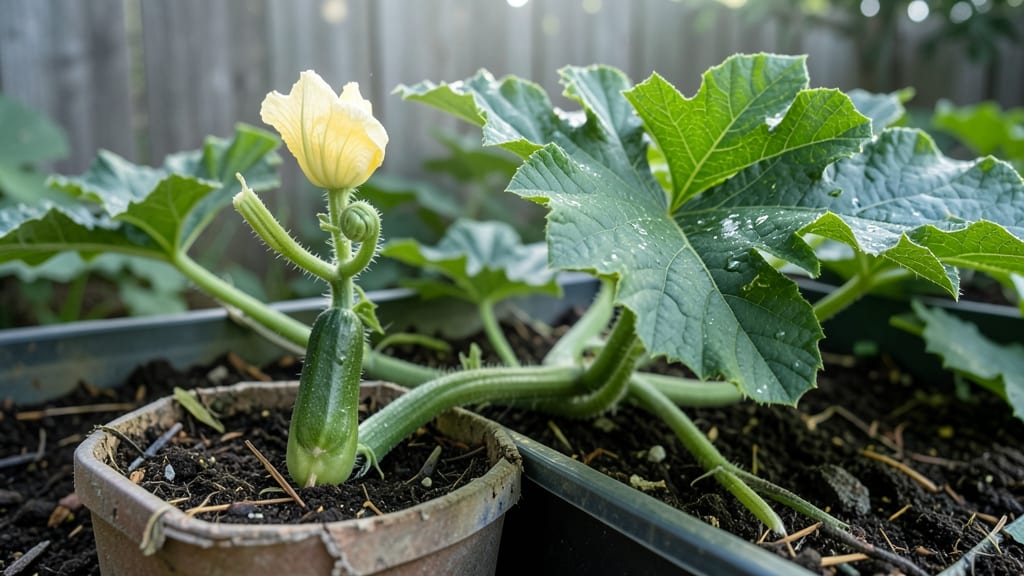
Your garden’s squash is not producing fruit despite all those blooms—and the wait is maddening. 🌿 I’ve watched my own vines drop blossoms for weeks before finally cracking the code—temperature, pollination, and plant stress all play a role, but the fixes are simpler than you’d think.
The most common culprit? Heat stress—when daytime temps hit 90°F+, squash flowers wilt before they can set fruit. Shade cloth or afternoon watering can make all the difference. Then there’s poor pollination—hand-pollinating with a paintbrush works like magic when bees stay away.
By next week, you’ll see tiny squash forming where there were once just flowers. The key is acting fast—once the vines get too stressed, recovery takes longer. Let’s turn those blossoms into harvests!
First, check your plant’s health—yellowing leaves or wilting vines mean it’s struggling to support fruit. Overwatering or nutrient deficiencies (like too little phosphorus) can also stall production. A balanced fertilizer and consistent moisture keep things moving in the right direction.
If your garden’s in a hot, dry climate, mulching helps retain moisture and keeps roots cool. Even a simple layer of straw makes a difference. And don’t overlook pests—aphids and squash bugs sap energy that should go into fruit development.
Hand-pollination is the easiest fix when nature isn’t cooperating. On a dry morning, gently brush a paintbrush or cotton swab between male and female flowers (the female has a tiny squash at its base).
Do this for 3-5 days in a row, and you’ll start seeing fruit within 10-14 days. Once you’ve got the basics down, prevention is simple: plant in cooler months, provide shade, and keep pests in check.
Your garden will thank you with bushels of zucchini, pumpkins, or whatever squash you’re growing.
Underlying Reasons For Poor Fruit Set
When your squash plants look lush but refuse to produce fruit, the issue often boils down to a few key biological and environmental factors. Understanding these causes is the first step toward fixing the problem. Here’s why your squash might be skipping fruit production:
Squash plants rely on pollination—the transfer of pollen from male to female flowers—to trigger fruit development. If this process fails, blossoms drop before forming fruit. Here’s why it might be happening:
- Male vs. Female Flowers Confusion
- Male flowers (with long stems and no bulb at the base) produce pollen but no fruit.
- Female flowers (with a tiny squash at the base) need pollen to develop.
- If bees or other pollinators are scarce, self-pollination (wind or manual transfer) may be required.
- Hormonal Signals Not Triggered
- Pollination releases ethylene gas, a plant hormone that kickstarts fruit growth.
- Without it, flowers abort within 24–48 hours, falling off before fruiting.
- Temperature & Humidity Disruptions
- Cold nights (below 55°F/13°C) or high humidity can weaken pollinators (like bees) or interfere with pollen viability.
- Solution: Hand-pollinate on warm, dry mornings (60–85°F/15–29°C) for best results.
Squash are heavy feeders—they need balanced nutrients to produce flowers and fruit. A deficiency in key elements can halt fruit development:
| Nutrient | Symptoms of Deficiency | How to Fix It |
|---|---|---|
| Nitrogen (N) | Yellowing lower leaves, stunted growth | Add compost or balanced fertilizer (10-10-10) at planting. |
| Phosphorus (P) | Purple stems/leaves, weak roots | Use bone meal or rock phosphate before flowering. |
| Potassium (K) | Weak stems, yellow edges on leaves | Apply wood ash or potassium sulfate during fruiting. |
| Calcium (Ca) | Blossom-end rot (in fruit), distorted new growth | Sprinkle crushed eggshells or use calcium nitrate. |
| Magnesium (Mg) | Yellowing between leaf veins (interveinal chlorosis) | Add Epsom salt (magnesium sulfate) to soil or foliar spray. |
💡 Pro Tip: A soil test is the gold standard—it tells you exactly what your squash lacks before symptoms appear.
Squash are sun-worshippers, but extreme conditions can throw off their reproductive cycle:
- Insufficient Sunlight
- Squash need 6–8 hours of direct sun daily to produce flowers.
- Shady spots lead to fewer female flowers and poor fruit set.
- Fix: Prune nearby trees/shrubs or relocate plants to a sunnier area.
- Overwatering or Underwatering
- Too much water → Root rot, stunted growth, no energy for flowers.
- Too little water → Stress signals trigger blossom drop.
- Fix: Water deeply 1–2 times per week (1–1.5 inches per week), keeping soil moist but not soggy.
- Extreme Heat or Cold
- Temperatures above 90°F (32°C) can cause flower abortion (flowers form but drop).
- Frost or cold snaps (below 50°F/10°C) halt pollination entirely.
- Fix: Use shade cloth in peak summer or row covers in early spring/fall.
Even if your squash has flowers, lack of pollinators can leave them barren. Common culprits:
- Bee Decline
- Pesticides (especially neonicotinoids) kill bees, leaving flowers unpollinated.
- Fix: Avoid systemic pesticides. Plant bee-friendly flowers (marigolds, borage) nearby.
- Wind Pollination Limitations
- Some squash (like butternut) rely partly on wind, but it’s inefficient for heavy pollen.
- Fix: Hand-pollinate with a small paintbrush or cotton swab (transfer pollen from male to female flowers).
- Timing Mismatches
- If male flowers open days before female flowers, pollination fails.
- Fix: Check flowers daily and pollinate manually if needed.
When squash plants compete for resources, they prioritize leaves over fruit. Signs of overcrowding:
- Stunted growth
- Fewer female flowers
- Small, underdeveloped fruit
Fix:
- Space plants 3–6 feet apart (depending on variety).
- Thin seedlings to keep only the strongest 1–2 per hill.
- Remove excess vines to redirect energy to fruit production.
Some garden chemicals disrupt plant hormones or kill pollinators, leading to no fruit:
- Systemic Pesticides (e.g., imidacloprid) → Weaken plant immunity, reduce flower production.
- Herbicides (e.g., glyphosate) → Damage roots, starving the plant.
- Fungicides (if overused) → Alter microbial balance, affecting nutrient uptake.
Fix:
- Switch to organic sprays (neem oil, insecticidal soap).
- Pull weeds manually instead of using herbicides.
- Avoid spraying during flowering (wait until evening when bees aren’t active).
Revive Your Squash Harvest Now
If your squash plants are struggling to produce fruit, don’t panic—there’s always a way to turn things around! The key is identifying the root cause and taking targeted action.
Below, we’ll break down practical fixes for the most common issues, along with prevention tips to keep your garden thriving. Let’s get growing!
Problem: Squash relies on bees and other pollinators to transfer pollen from male to female flowers. Without proper pollination, flowers drop before fruiting.
How to Fix It:
- 🐝 Hand-Pollinate Like a Pro
- Wait until morning when flowers are fully open (male flowers have a long stem; female flowers have a tiny squash at their base).
- Use a soft brush or cotton swab to gently transfer pollen from male to female flowers.
- Pro Tip: Do this for 3–5 days in a row to maximize success.
- 🌿 Attract More Pollinators
- Plant bee-friendly flowers (like marigolds, sunflowers, or basil) nearby to lure bees to your squash patch.
- Avoid pesticides—even "organic" sprays can harm pollinators.
Prevention: ✔ Plant squash in clusters (not rows) to encourage cross-pollination. ✔ Water in the morning so flowers stay dry and attractive to bees.
Problem: Overwatering or inconsistent moisture can stress plants, leading to blossom drop or poor fruit development.
How to Fix It:
- 💦 Water Deeply but Less Often
- Squash needs 1–2 inches of water per week, delivered at the base (not the leaves) to prevent fungal diseases.
- Use drip irrigation or soaker hoses for steady moisture without wetting foliage.
- 🌡️ Monitor Soil Moisture
- Stick your finger 1–2 inches into the soil—if it’s dry, water thoroughly. If soggy, hold off until it drains.
Prevention: ✔ Mulch around plants (with straw or grass clippings) to retain moisture and regulate soil temperature. ✔ Water early in the day to reduce evaporation and fungal risks.
Problem: Poor soil quality or nutrient imbalances can weaken plants, causing them to drop flowers before fruiting.
How to Fix It:
- 🍽️ Feed with the Right Fertilizer
- Squash loves balanced fertilizer (10-10-10 or 5-5-5) at planting, then switch to low-nitrogen, high-phosphorus (like 0-10-10) when flowers appear.
- Avoid over-fertilizing with nitrogen—it promotes leafy growth but stunts fruit production.
- 🌱 Improve Soil Health
- Mix in compost or well-rotted manure before planting for better drainage and nutrient retention.
- Test soil pH—squash thrives in slightly acidic to neutral soil (6.0–7.0).
Prevention: ✔ Rotate crops—don’t plant squash in the same spot yearly to prevent nutrient depletion. ✔ Side-dress with compost mid-season for a slow-release nutrient boost.
Problem: Extreme heat, cold snaps, or sudden weather changes can shock squash plants, leading to flower drop.
How to Fix It:
- 🌡️ Protect from Heat Stress
- If temps exceed 90°F (32°C), provide shade cloth (30–50% coverage) to prevent wilting.
- Water deeply at dawn to help plants cool down.
- 🌬️ Shield from Wind & Cold
- Use windbreaks (like tall grass or mesh screens) if your garden is exposed.
- For early/late seasons, row covers can extend the growing period.
Prevention: ✔ Choose heat-tolerant varieties (like ‘Butternut’ or ‘Acorn’ squash) if you live in a hot climate. ✔ Plant at the right time—wait until soil is at least 60°F (15°C) before transplanting.
Not sure which fix to try first? Use this symptom-to-solution cheat sheet:
| Symptom | Likely Cause | Fast Fix |
|---|---|---|
| Flowers appear but drop | Poor pollination | Hand-pollinate + attract bees |
| Yellowing leaves | Overwatering or disease | Reduce water + improve drainage |
| Small, deformed fruit | Nutrient deficiency | Add phosphorus-rich fertilizer |
| Wilting in heat | Heat stress | Shade cloth + deep watering |
Final Thought: Most squash problems are fixable with a little attention to pollination, water, soil, and stress factors. Try one solution at a time, and soon you’ll be harvesting bountiful, healthy squash! 🎉🍠
Frequently asked questions
Why do my squash flowers keep falling off without forming fruit?
This usually happens due to heat stress (above 90°F/32°C) or poor pollination. Squash flowers need pollen transfer from male to female blooms—if bees aren't active or temps are extreme, flowers abort within 24-48 hours. Try hand-pollinating with a paintbrush on cool mornings (60–85°F/15–29°C) and provide afternoon shade if it's scorching.
How can I tell if my squash plant is male or female flowers?
Male flowers grow on long stems with no bulb at the base, while female flowers have a tiny squash-shaped bump at their base. The female flowers are what you want to pollinate—they'll develop into fruit if pollen reaches them. Focus on transferring pollen from male to female flowers for best results.
What's the best fertilizer ratio for squash when flowers appear?
Switch to a low-nitrogen, high-phosphorus fertilizer (like 0-10-10) when you see flowers. Too much nitrogen makes plants grow leaves instead of fruit. Mix in compost or bone meal before flowering for extra phosphorus, which helps fruit development. Avoid over-fertilizing—squash are heavy feeders but don't need constant feeding.
Can I save my squash plant if it's already overcrowded?
Yes! Prune back excess vines to redirect energy to fruit production. Remove any leaves shading the main stem, and thin seedlings to keep only the strongest 1-2 plants per hill. Space remaining plants 3-6 feet apart depending on the variety. This gives them room to grow stronger roots and produce more female flowers.
How long should I wait before giving up on fruit production?
Give it 2-3 weeks of consistent care (proper pollination, watering, and nutrients) before assessing. If flowers keep dropping after trying all fixes, the plant may be too stressed or diseased. For next season, choose more heat-tolerant varieties like 'Butternut' or 'Acorn' squash, and plant them in cooler months when possible.