
Pests
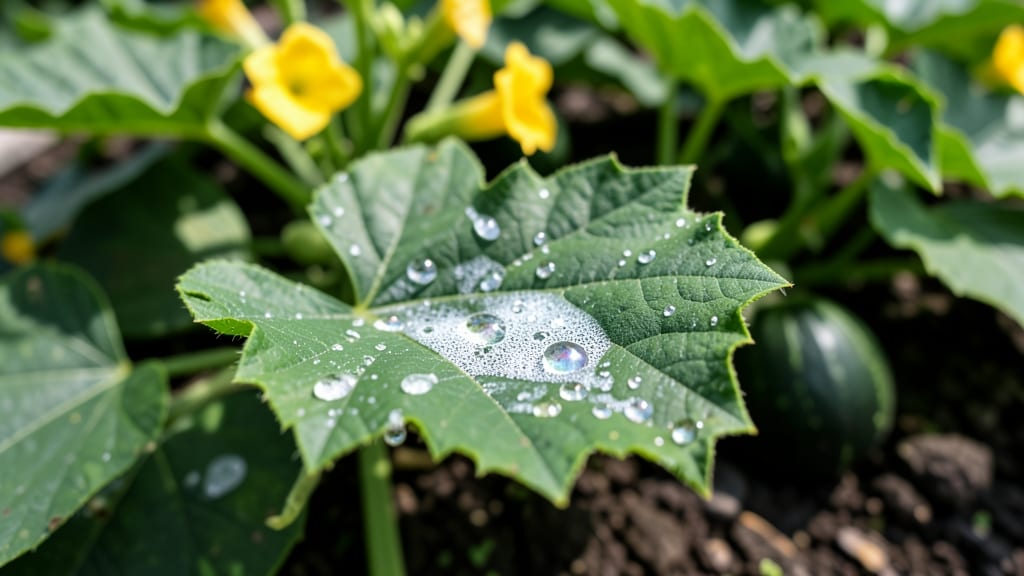
Squash bugs are the sneaky villains of summer gardens, but insecticidal soap gives you a powerful, organic weapon. 🌱 I’ve used this spray to save entire squash plants from collapse—it works by suffocating bugs on contact while leaving your plants unharmed.
The key is timing: apply it when bugs are active (morning or evening) and avoid spraying when flowers are open to protect pollinators.
This soap isn’t just effective—it’s simple to make at home with 70% isopropyl alcohol, dish soap, and water. Mix it in a spray bottle, shake well, and you’re ready to tackle squash bugs without harsh chemicals.
It’s budget-friendly (costs pennies per gallon) and safe for organic gardens, but it won’t harm beneficial insects like ladybugs if used correctly.
By the end of the first treatment, you’ll see fewer eggs and nymphs clinging to leaves, and plants will start recovering their vibrant green strength. The best part?
You can reuse the spray every 5-7 days until bugs disappear—no need for stronger pesticides. Just remember: it’s a contact killer, so thorough coverage is everything.
Pair this with row covers or neem oil for extra protection, and you’ll have squash plants thriving all season. It’s the organic gardener’s secret weapon—foolproof once you get the timing right. Let’s get those bugs under control!
Root Causes of Squash Bug Infestations
Squash bugs—those shield-shaped, brown-and-gray pests—can turn your cucurbit crops (think squash, pumpkins, and zucchini) into a sad, skeletal mess if left unchecked. But why do they show up in the first place?
Understanding the why behind their behavior helps you outsmart them before they become a full-blown problem. Let’s break down the key factors that invite these critters to your garden.
🌱 Why it happens: Squash bugs thrive in dense, unkempt garden beds where cucurbit plants are packed too closely together.
Here’s the science: - Moisture retention: Tightly spaced plants create a humid microclimate—perfect for squash bug eggs to hatch and survive. - Shade and shelter: Crowded foliage provides protection from predators (like birds and beneficial insects) and harsh sunlight, giving squash bugs a safe haven. - Nutrient competition: Stressed plants (from overcrowding) produce weaker sap, making them more vulnerable to squash bug feeding.
Actionable fix:
- Space cucurbit plants 3–4 feet apart to improve airflow and reduce hiding spots.
- Thin out seedlings early to avoid creating a squash bug buffet.
🐛 Why it happens: Squash bugs overwinter as adults in garden debris, mulch, or weeds near their host plants. In spring, females lay eggs in clusters (called "egg masses") on the undersides of leaves or stems—often in weedy or neglected areas.
Here’s the breakdown: - Egg survival rate: A single female can lay 20–30 eggs, and these hatch in 7–10 days if conditions are ideal (warm, moist, and shaded). - Debris as insulation: Leaves, mulch, and weeds trap heat and moisture, speeding up egg development. - Late-season havens: If you leave plant remnants (like old squash vines) in the soil, overwintering adults will return to the same spot next year.
Actionable fix:
- Clean up thoroughly in fall: Remove all plant debris, weeds, and mulch from a 3-foot radius around cucurbit beds.
- Use black plastic mulch in spring to smother overwintering adults before planting.
🌡️ Why it happens: Squash bugs are temperature-sensitive, and their life cycle accelerates in warm, humid climates (like the southeastern U.S.).
Here’s how: - Faster reproduction: Eggs hatch quicker in 70–85°F conditions, leading to 2–3 generations per season. - Longer feeding windows: Humidity keeps adults active longer, increasing damage to plants. - Weakened defenses: Heat stress can make cucurbit plants more attractive to squash bugs, as their natural defenses (like bitter sap) become less effective.
Actionable fix:
- Monitor weather patterns: If your area has a history of early heatwaves, apply insecticidal soap preventatively in late spring.
- Water in the morning to reduce humidity around plants (squash bugs dislike dry conditions).
🐦 Why it happens: Squash bugs have few natural enemies, but when their predators are absent, populations explode.
Key factors: - Birds and lacewings eat squash bug eggs and nymphs—but they avoid gardens with chemical pesticides (even synthetic ones). - Ground beetles and spiders help control adults, but they’re less effective in monoculture gardens (large patches of the same plant). - Beneficial nematodes (like Steinernema carpocapsae) can target squash bug eggs, but they struggle in dry or compacted soil.
Actionable fix:
- Encourage biodiversity: Plant companion crops like nasturtiums, radishes, or marigolds to attract predators.
- Avoid broad-spectrum sprays (like neonicotinoids) that harm beneficial insects.
🌱 Why it happens: Squash bugs target stressed plants—those with poor nutrition, compacted soil, or fungal issues.
Here’s the connection: - Nitrogen deficiency: Plants low in nitrogen produce softer stems, making them easier for squash bugs to pierce and feed on. - Fungal infections: Weakened plants (from overwatering or poor drainage) attract squash bugs, as they’re drawn to sugary sap released by damaged tissue. - Compacted soil: Roots struggle to absorb water/nutrients, leading to stunted growth—a squash bug’s dream.
Actionable fix:
- Test your soil and amend with compost or aged manure before planting.
- Use drip irrigation to avoid wetting foliage (which attracts squash bugs).
Squash bugs don’t just appear—they’re drawn by specific conditions in your garden. By addressing overcrowding, debris, humidity, predator loss, and poor soil health, you remove their advantages. Once you understand their triggers, you can outmaneuver them with targeted organic solutions—like insecticidal soap—before they become a nightmare. 🚀
Quick Fixes for Squash Bug Infestations
Squash bugs can be a relentless nuisance, but with the right approach, you can regain control of your garden without resorting to harsh chemicals. Below are practical, step-by-step solutions tailored to common causes—from early detection to long-term prevention—so you can protect your squash, pumpkins, and cucumbers effectively.
Cause: Small populations caught early can be eliminated before they multiply. Fix:
- 🕵️♂️ Scout regularly: Inspect the undersides of leaves, stems, and soil near plants every 2–3 days. Squash bugs hide in clusters, so flip leaves to spot them early.
- 👨🌾 Handpick adults & nymphs: Use gloves and drop them into a bucket of soapy water. Focus on egg masses (flat, tan ovals on leaf undersides) and crush them with your fingers.
- 🌞 Time it right: Remove bugs in the early morning or late evening when they’re sluggish and easier to catch.
Prevention Tip: 💡 Mulch with straw or grass clippings—this makes it harder for bugs to hide and lays a trap for easy spotting.
Cause: Established populations require targeted chemical intervention. Fix:
- 🧼 Insecticidal soap spray:
- Mix 1–2 tablespoons of insecticidal soap (like Safer® or Dr. Bronner’s) with 1 quart of water in a spray bottle.
- 🌿 Add a drop of dish soap (like Dawn) to help it cling to bugs.
- Spray directly on bugs (avoid spraying flowers to protect pollinators). Reapply every 3–5 days until control is achieved.
- ⏰ Best time: Apply in the early morning so the soap has time to dry before the sun intensifies.
- 🌿 Neem oil alternative:
- Blend 1 tablespoon neem oil + 1 teaspoon mild liquid soap + 1 quart water. Spray on leaf undersides where eggs are laid. Repeat weekly.
Pro Tip: ✨ Shake the spray bottle before each use—soapy solutions separate over time!
Cause: Eggs and nymphs overwinter in garden debris, leading to annual reinfestations. Fix:
- 🔪 Destroy last year’s plant debris: Remove all squash, pumpkin, and cucumber vines after harvest and compost them only if heated to 140°F+ (or trash them).
- 🌱 Rotate crops: Avoid planting squash family crops (Cucurbits) in the same spot for 3+ years to starve out squash bug populations.
- 🌱 Trap cropping: Plant a sacrificial patch of bush beans or radishes near your garden. Squash bugs prefer these over squash and can be easily removed before they migrate.
Prevention Tip: 🌡️ Use row covers (floating fabric) over young plants to block adults from laying eggs.
Cause: Weak or stressed plants attract squash bugs. Fix:
- 💧 Water deeply but infrequently: Squash bugs love drought-stressed plants. Water at the base (not overhead) to keep foliage dry and reduce hiding spots.
- 🌱 Healthy soil = strong plants: Amend soil with compost and use balanced organic fertilizer (like 5-5-5) to boost plant resilience.
- 🌿 Companion planting: Interplant with nasturtiums, marigolds, or thyme—these repel squash bugs naturally.
Pro Tip: 🎯 Plant squash varieties with hairy stems, like ‘Caserta’ or ‘Butternut,’—squash bugs struggle to climb them!
Final Note: Consistency is key! Combine manual removal + sprays + cultural controls for the best results. With these steps, your squash patch can thrive bug-free all season long.
Frequently asked questions
How often should I apply insecticidal soap to kill squash bugs?
Apply insecticidal soap every 3-5 days until you see a significant reduction in squash bug populations. For best results, use it in the early morning when bugs are most active and the solution can dry without intense sunlight. Consistency is key—don't skip applications once you start!
Will insecticidal soap harm my squash plants or beneficial insects?
When used correctly, insecticidal soap is plant-safe and won't damage your squash plants. However, avoid spraying when flowers are open to protect pollinators like bees. The soap works by suffocating bugs on contact, so it won't harm beneficial insects like ladybugs or lacewings if you target only the pests directly.
Can I make homemade insecticidal soap for squash bugs?
Yes! Mix 1-2 tablespoons of mild castile soap (like Dr. Bronner's) or 1 teaspoon dish soap (Dawn) with 1 quart of water. Add 1 tablespoon of vegetable oil to help it cling to bugs. Shake well before each use. Store in a cool, dark place for up to 2 weeks—just remember this homemade version may be slightly less effective than commercial products.
Why isn't insecticidal soap working on my squash bug problem?
Insecticidal soap only kills bugs it makes direct contact with, so thorough coverage is essential. Check for these common issues: missed eggs (focus on leaf undersides), overcrowded plants (improves airflow), or dried soap solution (shake before each use). For stubborn infestations, combine with neem oil or handpicking for better results.