
Vegetables
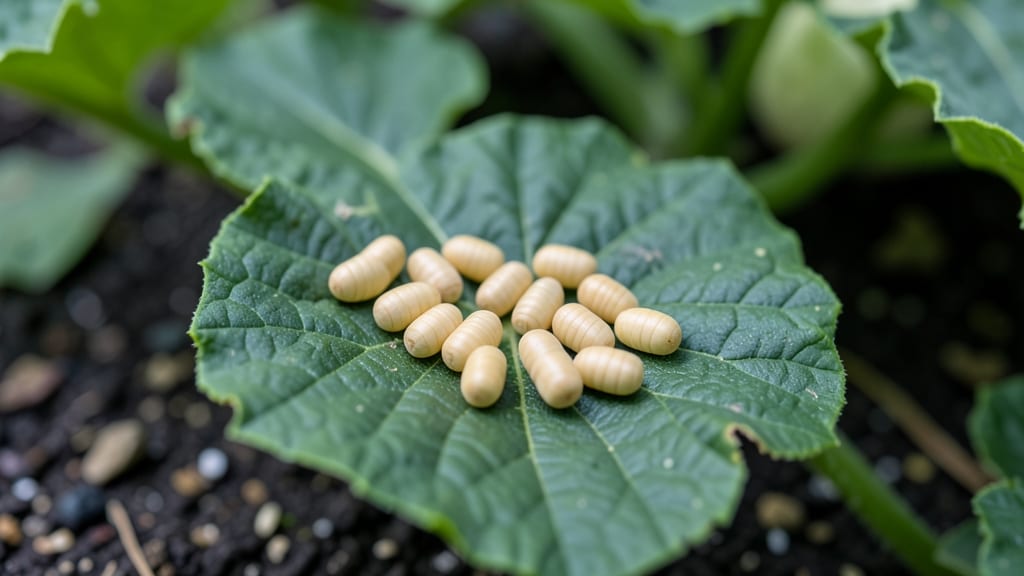
Finding tiny yellow squash bug eggs on your zucchini leaves? 🌿 That’s your first warning before an all-out battle for your garden’s future. These sneaky pests start small but multiply fast, turning lush vines into skeleton leaves if left unchecked.
The good news? You can stop them before they hatch with just a few minutes of work—and no harsh chemicals needed.
Squash bugs target cucurbits (think zucchini, pumpkins, and squash), but they’ll also attack melons and even beans if given the chance. The eggs look like tiny yellow footballs clustered on the undersides of leaves.
If you spot them early, you can scrape them off by hand with a soft brush or damp cloth—no gloves needed—before they turn into ravenous nymphs.
Here’s the game-changer: after removal, spray the area with soapy water (1 tsp dish soap per quart of water) to deter any stragglers. Repeat every 3–4 days until harvest, and your plants will stay strong. The key is speed—these eggs hatch in 7–10 days, so act fast.
Prevention is even easier: use row covers early in the season or plant trap crops like nasturtiums nearby. Once you’ve mastered this, squash bugs won’t stand a chance. Let’s get your garden back to thriving in no time.
The Hidden Triggers Behind Eggs
Squash bug eggs don’t just appear out of nowhere—they’re the result of a sneaky, multi-step invasion strategy by one of the garden’s most persistent pests.
Understanding why these tiny, rust-colored eggs cluster on your squash, pumpkin, and cucumber leaves is the first step to stopping them before they hatch into ravenous nymphs. Below, we break down the science-backed reasons these pests target your plants—and how their behavior fuels their success.
Squash bugs (Anasa tristis) are specialists, meaning they’ve evolved to thrive almost exclusively on plants in the Cucurbitaceae family. That includes squash, pumpkins, cucumbers, melons, and gourds. Here’s why your garden is a buffet:
- Chemical Attraction: These plants release volatile organic compounds (VOCs) when stressed—like after pruning or damage—that act like a dinner bell to squash bugs. Studies show female squash bugs can detect these scents from up to 20 feet away.
- Sap-Rich Leaves: Cucurbits have high sap content, which is a protein-rich food source for squash bug eggs and nymphs. Females prioritize laying eggs on leaves with thicker veins, as the vascular system provides easy nutrient access.
- Warm Microclimates: Squash leaves create a warmer, more humid environment near the soil (where eggs are laid), accelerating egg development. In as little as 5–7 days, eggs can hatch into nymphs if conditions are right.
💡 Pro Tip: If you’ve noticed eggs only on certain plants, check for previous damage—squash bugs return to the same spots year after year. Rotating crops or removing old vines can break this cycle.
Squash bugs are perennial pests, meaning they don’t die off in winter—they hide and regroup. Here’s how they set the stage for next season’s egg-laying:
| Overwintering Stage | Where They Hide | When They Reappear |
|---|---|---|
| Adults | Leaf litter, garden debris, or mulch near host plants | Late spring (when soil temps hit 55°F+) |
| Eggs | Cracks in soil, under boards, or on stored winter squash | Early summer (if temps stay mild) |
Adult females emerge in April–May and immediately seek out fresh cucurbit foliage to lay eggs.
Since they can live up to a year, even a few survivors from last season can spawn hundreds of eggs. 🌡️ Warmer winters = longer squash bug seasons—climate change is extending their active period in many regions.
Squash bugs love clutter because it shields their eggs from predators and weather. Here’s how untidy gardens become breeding grounds:
- Debris Shelters: Eggs are laid on the undersides of leaves, but they’re also deposited in:
- Dry plant residue (e.g., old vine stems, fallen leaves)
- Wooden mulch or boards leaning against plants
- Weeds growing near cucurbits (they act as “decoy” hosts)
- Moisture Retention: Eggs need 70–90% humidity to survive. Dense mulch or damp leaf litter traps moisture, giving eggs the perfect incubation chamber.
- Lack of Predators: Birds, spiders, and parasitic wasps (like Telenomus bassus) eat squash bug eggs—but they avoid areas with heavy mulch or chemical sprays.
🔥 Warning: Even “clean” gardens can harbor eggs if you miss them. Squash bugs lay eggs in clusters of 10–30, often near leaf veins. A single female can produce up to 500 eggs in her lifetime!
Squash bugs are opportunistic—they time their life cycle to take advantage of specific weather conditions:
- Warm, Dry Springs: Eggs hatch faster in 70°F+ temps, leading to multiple generations per season. Drought-stressed plants also emit more attractant chemicals.
- Humid Summers: High humidity slows natural predators (like ground beetles) but keeps squash bug eggs from drying out.
- Rain Delays: Heavy rain can wash away newly laid eggs, but follow-up dry spells create ideal hatching conditions.
🌡️ Climate Connection: Regions with longer growing seasons (e.g., the Southeast U.S.) often see 3–4 squash bug generations per year, while cooler climates may only get 1–2. Monitor local weather forecasts to predict peak egg-laying windows.
Quick Fixes for Squash Bug Eggs
Now that you know why squash bug eggs end up on your leaves, it’s time to tackle them head-on! These pests can wreak havoc on your squash, pumpkins, and other cucurbits, but with the right approach, you can reclaim your garden.
Below are practical, step-by-step solutions tailored to different causes—plus prevention tips to keep those tiny troublemakers away for good.
If you’ve spotted clusters of squash bug eggs (tiny, yellowish ovals grouped in neat rows), physical removal is your first line of defense. These eggs are delicate but visible with a close inspection—use a magnifying glass if needed.
- 👨🍳 Gather Your Tools
- A soft paintbrush (old makeup brushes work great!)
- Rubbing alcohol (70% or higher) or soapy water
- Gloves (optional, but squash bugs can be sticky)
- Plastic bag or container for disposal
- 🔪 Scrape Off the Eggs
- Gently brush the eggs into the container—do not crush them (they’ll hatch into nymphs and reinfest).
- Focus on undersides of leaves, stems, and leaf veins where they love to hide.
- 🧼 Dispose of Them Properly
- Drop the eggs into soapy water or rubbing alcohol to kill them instantly.
- Seal them in a ziplock bag and toss it in the trash—far from your garden to avoid accidental release.
✨ Pro Tip: Work on cool, cloudy days when squash bugs are less active. Avoid doing this in direct sunlight, or the eggs may dry out and become harder to remove.
If manual removal feels tedious, temperature extremes can help eliminate eggs naturally.
- 🔥 Heat Treatment (For Small Gardens)
- Use a hair dryer on low heat to gently warm the leaves where eggs are clustered.
- Hold it 6–12 inches away for 30–60 seconds—this can kill eggs without harming plants.
- Best for: Greenhouse growers or indoor pots.
- ❄️ Cold Snap? Work With It!
- If a hard frost is forecasted, let nature do the work—eggs won’t survive below 32°F (0°C).
- After the frost, inspect leaves and remove any remaining eggs manually.
💡 Prevention Tip: Mulch with straw or grass clippings—it traps heat and can help speed up egg death in warm climates.
For larger infestations, natural sprays can smother eggs and deter adults without harsh chemicals.
- 🥛 Diatomaceous Earth (DE) Dust
- Lightly dust food-grade DE on leaves (avoid overapplying—it can dry out plants).
- The microscopic particles create a deadly barrier for eggs and nymphs.
- Reapply after rain—it loses effectiveness when wet.
- 🍋 Neem Oil Spray (Best for Prevention)
- Mix 1 tbsp neem oil + 1 tsp mild soap + 1 quart water.
- Spray early in the morning or evening (avoid direct sunlight—it can burn leaves).
- Reapply every 5–7 days to prevent new egg-laying.
- 🌿 Horticultural Oil Spray
- Use refined or dormant oil (like Safer Brand 3-in-1 Oil).
- Spray thoroughly on both leaf sides—it suffocates eggs within hours.
- Best for: Organic gardens (follow label instructions for safety).
⚠️ Warning: Always test sprays on a small leaf first—some plants (like squash) are sensitive to oils.
The best defense? Preventing squash bugs from laying eggs in the first place!
| Prevention Method | How to Do It | Best For |
|---|---|---|
| 🌱 Row Covers | Use floating row covers early in the season to block adult squash bugs. | Seedlings & young plants |
| 🕷️ Beneficial Insects | Introduce spider mites, ladybugs, or minute pirate bugs—they eat squash bug eggs! | Established gardens |
| 🌿 Crop Rotation | Avoid planting cucurbits (squash, pumpkins, melons) in the same spot yearly. | Large-scale gardens |
| 🪴 Trap Crops | Plant nasturtiums or radishes nearby—squash bugs prefer them over your veggies! | Small gardens & containers |
| 🌿 Healthy Soil | Compost & mulch to keep plants strong—stressed plants attract more pests. | All gardens |
💡 Bonus Tip: Check leaves daily—early detection means fewer eggs to deal with later!
By combining manual removal, natural sprays, and prevention, you’ll keep squash bug eggs from turning into a full-blown infestation. Act fast, stay consistent, and your squash will thank you with big, healthy harvests! 🎉🍉
Frequently asked questions
How do I tell squash bug eggs apart from other tiny pests on leaves?
Squash bug eggs look like tiny, yellowish footballs grouped in neat rows along leaf veins. They’re about 1/16-inch long and often clustered near the midrib. Other pests like aphids or spider mites won’t have this distinct shape or grouping pattern—those appear as tiny dots or webs instead.
Can I use vinegar to kill squash bug eggs on my plants?
Plain white vinegar won’t work—it’s too mild. However, a 1:1 vinegar-water mix with 1 tsp dish soap can help smother eggs when sprayed directly. Test on a small leaf first, as vinegar may burn tender foliage. For better results, use rubbing alcohol or soapy water instead.
What should I do if I find squash bug eggs but no adult bugs yet?
Act immediately! Remove eggs manually with a soft brush, then spray the area with neem oil or horticultural oil to prevent new eggs. Check leaves daily for 7–10 days—that’s how long eggs take to hatch. If you spot nymphs (flat, rust-colored bugs), switch to soapy water sprays or diatomaceous earth.
Will squash bug eggs survive if I wash them off with water?
No, but timing matters. A strong stream of water can dislodge eggs, but they’ll hatch in 5–7 days if they land on soil or debris. For best results, scrape them into soapy water or alcohol to kill them instantly. Always check leaf undersides after rain—eggs may have washed there from higher leaves.
Are squash bug eggs harmful if accidentally ingested?
No need to panic! Squash bug eggs are not poisonous to humans or pets. They’re tiny and unlikely to be swallowed whole. However, if you’re harvesting veggies with eggs nearby, wash produce thoroughly. The real concern is the nymphs and adults, which can damage plants and leave a foul odor.