
Vegetables
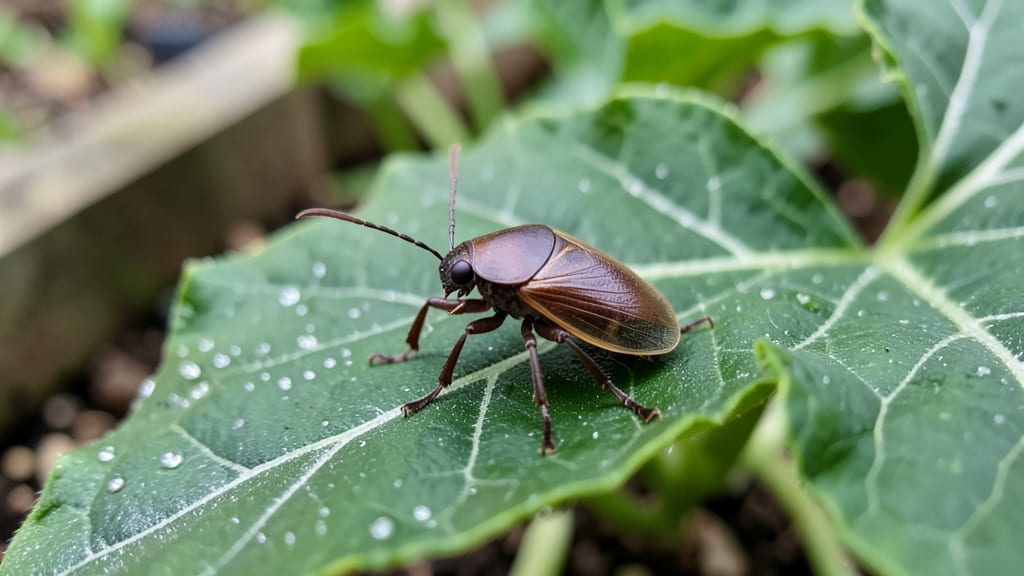
My squash bug soap spray saved my zucchini patch after just one application—no more skeletonized leaves or sticky eggs. 🌱 The secret lies in a simple mix of castile soap, water, and a few optional oils that suffocate these shield-backed pests on contact.
Unlike chemical sprays, this homemade solution works fast and won’t harm beneficial insects when used correctly.
You’ll need just 3 ingredients: a mild castile soap (like Dr. Bronner’s), warm water, and a few drops of neem or vegetable oil for extra sticking power. Mix it in a spray bottle, shake well, and apply it early in the morning when squash bugs are sluggish.
The key is consistency—reapply every 5-7 days or after rain to keep those pests from returning.
What you’ll get is a clean, organic solution that stops squash bugs in their tracks without harming your plants. The spray dries clear, so you won’t see any residue, and your squash plants will stay lush and productive all season.
Plus, it’s cheap to make—just a few dollars per batch compared to store-bought pesticides.
Works for all squash varieties—zucchini, pumpkins, and cucumbers—and pairs well with other organic controls like row covers or diatomaceous earth. Here’s how to make it foolproof!
Root Causes Of Squash Bug Infestations
Squash bugs are a garden’s worst nightmare—especially for squash, pumpkin, and cucumber plants. Understanding why these pests invade your garden is the first step to preventing them.
Below, we break down the key reasons these shield-backed invaders show up, often in droves, and how environmental and human factors create the perfect storm for their arrival.
Squash bugs thrive where plants are stressed, and overcrowding is a major red flag. When vines grow too close together, airflow is restricted, creating a damp, humid microclimate that squash bugs adore. Here’s why it happens:
- Poor Air Circulation 🌬️ Dense foliage traps moisture, slowing evaporation. Squash bugs (and their fungal diseases) love this environment because it mimics their natural habitat—shady, damp forest floors.
- Nutrient Competition 🍃 Overcrowded plants compete for water, sunlight, and nutrients. Weakened vines produce thinner, more tender stems—easy pickings for squash bug nymphs, which feed on plant sap using their sharp mouthparts.
- Stress Signals Attract Pests Stressed plants emit volatile organic compounds (VOCs), which act like a dinner bell for squash bugs. These chemicals signal vulnerability, drawing adult bugs to lay eggs in the most susceptible areas.
Actionable Fix: Space plants 3–5 feet apart (depending on variety) and prune excess foliage to improve airflow. Healthy, robust plants are far less appealing to squash bugs.
Squash bugs are temperature-sensitive, and certain weather patterns trigger their migration and reproduction cycles. Here’s how climate plays a role:
- Warm, Humid Summers 🌞💧 These pests thrive in 75–90°F (24–32°C) temperatures with high humidity. If your summer is consistently hot and muggy, expect squash bugs to multiply rapidly. Eggs hatch faster in warm soil, and adults become more active.
- Dry Spells Followed By Rain ☔🌵 Squash bugs often appear after a drought-like period because dry soil forces plants to wilt slightly. When rain returns, the sudden hydration stresses plants further, making them more susceptible to feeding damage.
- Late-Summer Surges 🍂 As summer winds down, squash bugs prepare for winter by laying massive egg clusters (up to 30 eggs per cluster!) on the undersides of leaves. If fall stays warm, a second generation can emerge, prolonging the infestation.
Actionable Fix: Monitor weather forecasts and apply preventive sprays (like squash bug soap) before heatwaves or after prolonged dry spells. Row covers can also block adults from reaching plants during peak activity.
In a balanced ecosystem, squash bugs face predators like spider mites, parasitic wasps, and ground beetles. But when these natural controls are missing, populations explode. Here’s why:
- Monoculture Gardening 🌾 Planting only squash or cucurbits in a row removes biodiversity. Predatory insects need a varied diet—if your garden is a squash bug buffet, they’ll dominate.
- Overuse Of Broad-Spectrum Pesticides 🚫💊 Chemicals like neonicotinoids or pyrethroids kill beneficial insects first, leaving squash bugs unchecked. Even "organic" sprays can disrupt the food chain if not targeted correctly.
- Urban Or Suburban Gardens In rural areas, farms often have wildflower borders or hedgerows that support predator populations. Urban gardens, however, may lack these habitats, creating a squash bug-free zone for pests.
Actionable Fix: Introduce companion plants like nasturtiums, marigolds, or dill to attract predatory wasps and ladybugs. Avoid spraying during daytime (when pollinators are active) and opt for targeted sprays like insecticidal soap.
Squash bugs overwinter in garden debris, and if you don’t clean up, they’ll return stronger next year. Here’s how leftover plant material fuels infestations:
- Eggs Hidden In Mulch & Leaves 🍂 Female squash bugs lay eggs in cracks in soil, under mulch, or on dead vines. If you skip fall cleanup, these eggs hatch in spring, giving the bugs a head start.
- Weeds & Volunteer Plants 🌱🚫 Squash bugs will feed on wild cucurbits (like buffalo gourd or pumpkin vines growing unchecked). These "weed hosts" act as reservoirs for pests, allowing them to build numbers before attacking your crops.
- Compost Piles & Wood Chips 🪵♻️ Piles of organic matter create micro-habitats where squash bugs hide from cold and predators. Even "clean" compost can harbor eggs if not heated to 140°F+ during decomposition.
Actionable Fix: Rake and remove all plant debris in fall, especially from squash family plants. Till the soil in early spring to expose and kill overwintering eggs. Use clean, fresh mulch (like straw) in summer to avoid harboring pests.
Pro Tip: 💡 Scout for egg clusters (flat, tan, football-shaped) on the undersides of leaves in early summer. Destroy them manually or with a soapy water spray to break the life cycle before nymphs emerge!
Practical Fixes for Squash Bug Woes
Squash bugs are relentless, but with the right approach, you can reclaim your garden! Below are targeted solutions—from quick fixes to long-term prevention—so you can tackle these pests effectively.
Whether you’re dealing with an active infestation or just want to keep them away, these methods will help you win the battle without breaking the bank.
The key to beating squash bugs is catching them early. These pests lay eggs on the undersides of leaves, so inspect your plants regularly (especially squash, pumpkins, and cucumbers).
How to spot them early:
- Look for clusters of tiny, brown eggs (shaped like footballs) on leaf undersides.
- Check for adult bugs (flat, shield-shaped, and grayish-brown) hiding near stems or soil.
- Watch for yellowing leaves or wilted vines—a sign of feeding damage.
Quick fix: If you find eggs, scrape them off with a stiff brush or your fingernail and drop them into soapy water. This prevents them from hatching and becoming a full-blown problem.
A homemade soap spray is one of the most effective ways to eliminate squash bugs while being safe for your plants. Here’s a foolproof recipe that works on contact:
🔥 Ingredients You’ll Need:
- 1 quart of warm water
- 1 tablespoon of mild liquid dish soap (like Dawn—it cuts through the bugs’ protective coating)
- 1 tablespoon of vegetable oil or neem oil (helps the soap stick to the bugs)
- 1 teaspoon of cayenne pepper (optional) (adds a little extra sting for stubborn pests)
👨🍳 Step-by-Step Mixing:
- Mix the soap and oil in a spray bottle, then fill the rest with warm water.
- Shake well before each use (soap and water separate over time).
- Spray directly on squash bugs, eggs, and the undersides of leaves.
- Reapply every 3–5 days or after rain, as the spray washes off.
✨ Pro Tip: Spray early in the morning or late in the evening to avoid harming bees and other beneficial insects.
Squash bugs are drawn to heat, so you can use this to your advantage with simple traps:
🔥 Black Plastic Mulch Trap
- Lay black plastic sheeting around your squash plants.
- The bugs will crawl onto it to hide, making them easy to pick off by hand.
- Bonus: This also warms the soil, helping your plants grow faster!
🍎 Beer Trap (Yes, Really!)
- Bury a small cup or jar filled with beer near your plants.
- Squash bugs are attracted to the smell and will drown inside.
- Refresh the beer every few days for best results.
Once you’ve eliminated an infestation, prevent future attacks with these low-effort strategies:
| Prevention Method | How to Do It | Why It Works |
|---|---|---|
| Row Covers | Use floating row covers over young plants to block adults from laying eggs. | Bugs can’t reach the plants, so no eggs = no babies! |
| Copper Tape Barrier | Wrap copper tape around plant stems (bugs hate the electric shock it gives). | Acts as a natural repellent without chemicals. |
| Crop Rotation | Avoid planting squash family crops (cucurbits) in the same spot yearly. | Breaks the bug’s life cycle—they won’t find familiar hosts. |
| Beneficial Insects | Encourage ladybugs, lacewings, and parasitic wasps (they eat squash bug eggs). | Nature’s pest control—no spraying needed! |
| Clean Up Debris | Remove old plant debris in fall (bugs hide in it over winter). | Fewer hiding spots = fewer survivors for next season. |
- Handpick bugs in the early morning when they’re sluggish—drop them in soapy water to avoid re-release.
- Water plants at the base (not overhead) to discourage bugs from hanging around.
- Plant strong companions like marigolds, basil, or nasturtiums—they repel squash bugs naturally.
- Monitor weekly—consistency is key in pest control!
With these practical, budget-friendly solutions, you’ll be well on your way to a squash bug-free garden in no time. 🚀🌱 Your plants will thank you!
Frequently asked questions
Can I use any soap for squash bug soap spray?
No—only use mild liquid dish soap like Dawn or Castile soap. Harsh soaps or laundry detergents can damage plant leaves. The key is a gentle soap that still breaks down the bugs' protective outer layer while being plant-safe.
How often should I reapply the soap spray?
Reapply every 3-5 days or immediately after rain. The spray washes off quickly, so consistency is crucial. For severe infestations, you may need to apply it daily until the bugs are eliminated.
Will this soap spray harm my plants?
When used correctly, it won't. Always test on a small leaf first, and avoid spraying in direct sunlight (can cause leaf burn). The recipe uses plant-safe ingredients, but overuse or incorrect timing might stress your plants.
Can I add essential oils to make it stronger?
Yes, but use neem oil or vegetable oil only—never citrus oils like orange or lemon. Essential oils can harm plants. The oil helps the soap stick better to the bugs, but stick to 1 tablespoon per quart of water.
What's the best time of day to spray?
Apply early morning or late evening when bees and beneficial insects are less active. This protects pollinators while maximizing effectiveness—squash bugs are sluggish during these cooler times and more vulnerable to the spray.